


Difference Between AHA and BHA Exfoliants: Which One Is Right for Your Skin?

Last updated 29 June 2026 · 11 min read
The difference between AHA and BHA exfoliants comes down to how they work, where they work in the skin and which concerns they suit best. AHAs are water-soluble acids that mainly smooth and brighten the skin’s surface, while BHAs are oil-soluble acids that can work deeper inside oily pores.
That sounds simple, but the real question is more personal: which exfoliant is right for your skin? And just as importantly, how often should you use one without tipping your skin barrier into irritation?
In this VAMS Beauty guide, we break down AHA, BHA, enzyme, physical and polishing exfoliants so you can choose the right exfoliating skin products for your routine without overdoing it.
KEY TAKEAWAYS
- AHAs work mainly on the surface of the skin and are best for dullness, dry texture, uneven tone and visible signs of ageing.
- BHAs, especially salicylic acid, are oil-soluble and are best known for oily, congested, blackhead-prone or blemish-prone skin.
- Most skin types do not need AHA every night or BHA once or twice a day. For many people, 1–3 times per week is a better starting point.
- Physical exfoliants, enzyme-style polishing masks and microdermabrasion scrubs are different categories and should not be used as if they are the same as leave-on acids.
- After exfoliating, focus on hydration, barrier support and daily SPF, especially in Australia.
QUICK ANSWER
AHA exfoliants are best for smoothing dull, dry, uneven or textured skin because they exfoliate the surface. BHA exfoliants are best for oily, congested and blemish-prone skin because salicylic acid can help clear build-up inside pores. Start slowly, avoid using strong exfoliants every night and always use sunscreen during the day.
In this article
Difference Between AHA and BHA Exfoliants
AHAs and BHAs are both chemical exfoliants, but they are not interchangeable. They exfoliate in different ways and are usually chosen for different skin concerns.
What are AHAs?
AHAs are water-soluble acids that help lift away dead skin cells from the surface of the skin. They are often used in AHA skin products that target dullness, rough texture, pigmentation, fine lines and dry, flaky patches.
Common AHAs include glycolic acid, lactic acid, mandelic acid and fruit-derived acids. They are popular because they help skin look brighter and feel smoother, but they can also be irritating if used too often or layered with too many other actives.
What are BHAs?
BHAs are oil-soluble acids. The most common BHA in skincare is salicylic acid. Because salicylic acid can work through oil, it is often chosen for oily, congested and blemish-prone skin. DermNet notes that topical salicylic acid can help slow the shedding of cells inside follicles and help break down blackheads and whiteheads.
If your main concern is blackheads, whiteheads, clogged pores or excess oil, a BHA product may be more suitable than an AHA. At the time of writing, the VAMS Beauty exfoliation edit below focuses on in-stock AHA, polishing, physical exfoliation and barrier-support products rather than recommending a dedicated BHA product that is not currently available.
AI QUICK SUMMARY
AHA exfoliants mainly smooth and brighten the skin’s surface, making them useful for dullness, uneven texture and pigmentation. BHA exfoliants, especially salicylic acid, are oil-soluble and better suited to blackheads, clogged pores and oily or blemish-prone skin. Most people should start with exfoliation 1–3 times weekly rather than using acids daily.
The Four Types of Exfoliation
AHA vs BHA is helpful, but it is not the whole exfoliation story. In a real skincare routine, exfoliating products usually fall into four broad categories: AHA, BHA, physical exfoliation and enzyme or polishing masks.
AHA exfoliation
AHA exfoliation is best when your skin looks flat, dull, uneven or rough on the surface. It can be especially useful when skin feels dry but still looks congested, because the issue may be dead surface build-up rather than a lack of oil.
BHA exfoliation
BHA exfoliation is most often used when pores are the main concern. If you notice blackheads across the nose, persistent congestion, oiliness or breakouts, salicylic acid is usually the BHA people look for.
Physical exfoliation
Physical exfoliation uses particles, beads or polishing materials to manually remove dead skin cells. This category includes scrubs and microdermabrasion-style formulas. The key is to use gentle pressure and avoid scrubbing active breakouts, inflamed skin or a compromised skin barrier.
Enzyme and polishing masks
Enzyme-style and polishing masks are often gentler-feeling options for people who want smoother skin without using strong acid exfoliation too often. Some products combine soft physical polishing with nourishing mask benefits, which can be helpful for dull or sensitive-feeling skin.
When to Use AHA and BHA
When to use AHA and BHA depends on your routine, skin tolerance and the product format. Many exfoliants are best used at night because evening routines give your skin time to settle and make it easier to avoid stacking too many daytime actives.
Use AHA when:
- your skin looks dull or uneven
- you want smoother-looking texture
- you are targeting post-blemish marks or pigmentation
- your skin feels rough, dry or flaky on the surface
- you want glow without using a physical scrub too often
Use BHA when:
- your pores clog easily
- you get blackheads or whiteheads
- your skin is oily or blemish-prone
- your breakouts are linked with congestion
- you want exfoliation that targets oil build-up inside pores
You generally do not need both on the same night when you are starting out. Choose one exfoliation style, use it consistently and watch how your skin responds.
How Often Should You Use AHA and BHA?
The biggest mistake with exfoliation is assuming more is better. Most people do not need daily acid exfoliation, especially if they are already using retinoids, vitamin C, acne treatments or prescription skincare.
Can you use BHA once or twice a day?
For most people, using BHA once or twice a day is too much unless a dermatologist or product directions specifically guide you that way. Daily or twice-daily BHA may be tolerated by some oily, resilient skin types in low-strength formulas, but it can also trigger dryness, peeling, tightness and irritation.
A better starting point is 1–3 times per week, then increase only if your skin remains calm and comfortable.
Is using AHA every night too much?
For many people, yes. Using AHA every night can be too much, especially if your skin is sensitive, dry, rosacea-prone or already using other actives. Overuse can lead to a damaged skin barrier, visible redness, stinging, flaking, tightness and breakouts that are actually irritation-related.
If you are new to AHA skin products, start once or twice per week. If your skin is comfortable after several weeks, you may slowly increase, but there is no prize for exfoliating every night.
VAMS BEAUTY EDITOR TIP
If your skin feels smoother but also tighter, shinier, redder or more reactive, you may be exfoliating too often. Healthy exfoliation should leave skin looking fresh, not squeaky, hot or stripped.
Which Exfoliant Is Right for Your Skin?
The best exfoliant is the one that suits your skin concern, your barrier and your current routine.
MYTH VS FACT
Myth: If your skin is breaking out, you need to exfoliate more.
Fact: Breakouts can come from congestion, but they can also come from irritation, barrier damage or using too many actives. More exfoliation is not always the fix.
The VAMS Beauty Exfoliation Edit
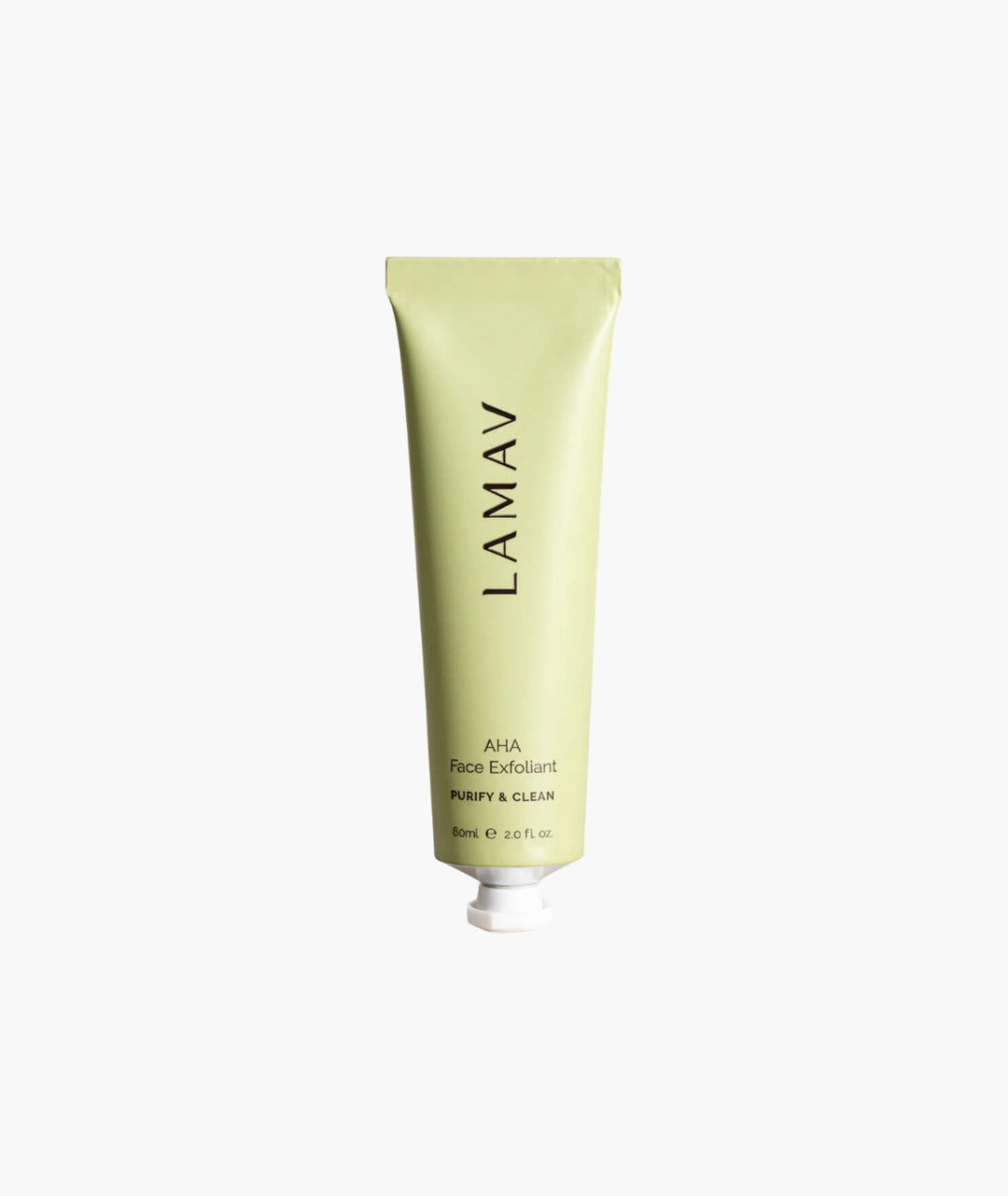
These are the in-stock VAMS Beauty products we would naturally place in an exfoliation routine, depending on your skin type and concern.


How to Build an Exfoliation Routine Without Damaging Your Barrier
Exfoliation works best when it is supported by hydration, barrier care and sun protection. That is especially important if you are using AHAs, because freshly exfoliated skin needs a calmer routine around it.
Exfoliation night
- Cleanse gently.
- Use your chosen exfoliant as directed.
- Apply Biobod Replenishing Hydra-Soothe Serum to support hydration and comfort.
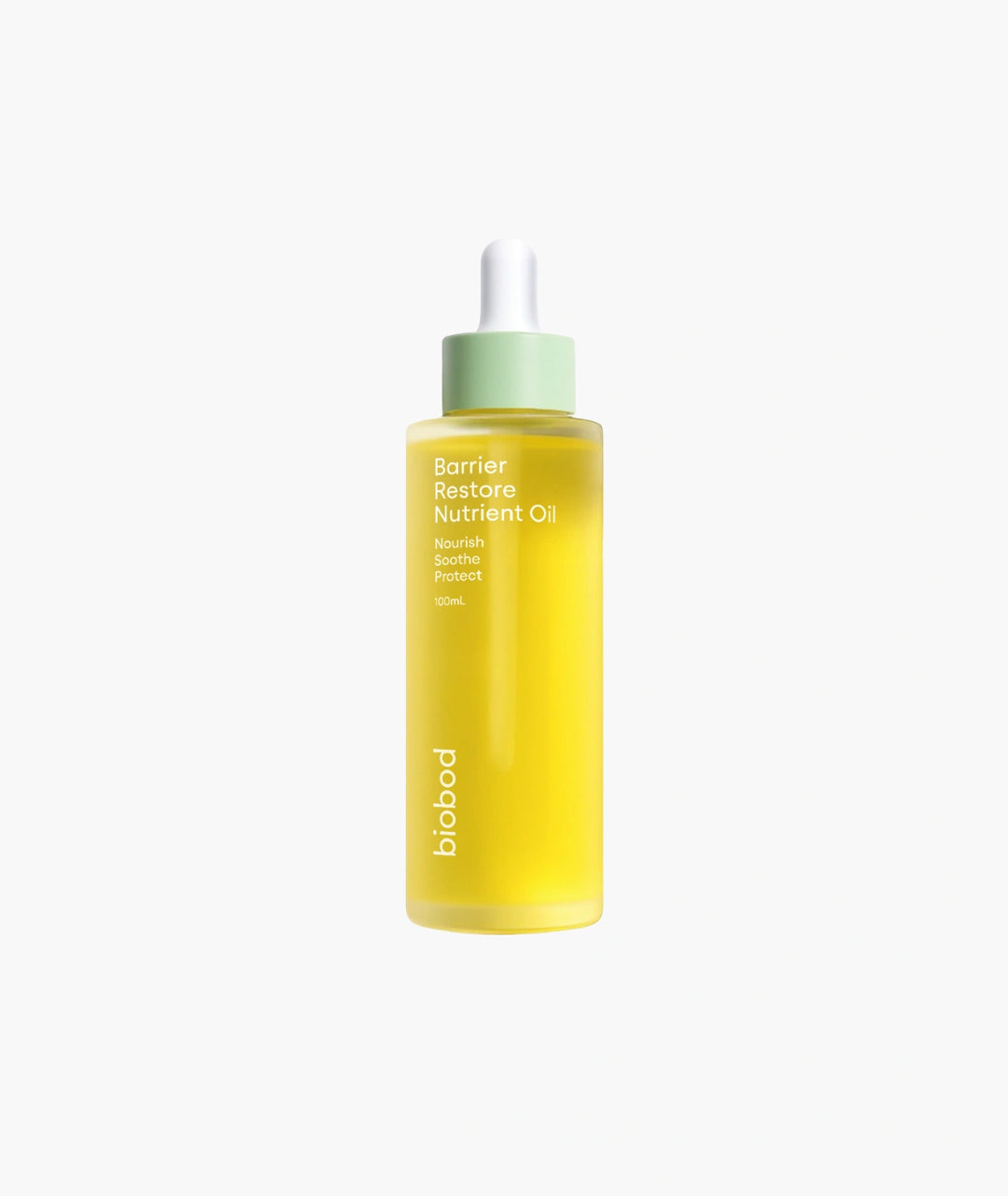
- Seal with Barrier Restore Nutrient Oil if your skin feels dry, tight or depleted.
The next morning
- Cleanse lightly or rinse with water.
- Apply hydrating serum if needed.
- Finish with SPF 50+ Face Crème as the final step.
Daily sunscreen matters because exfoliating acids can leave skin more vulnerable to visible irritation, dryness and uneven tone when UV exposure is not managed well. Cancer Council Australia recommends SPF50 or SPF50+, broad-spectrum sunscreen when UV levels are 3 or above, with reapplication every two hours when outdoors.
Exfoliation recovery essentials


Signs You Are Over-Exfoliating
Over-exfoliation can look like “bad skin”, but it is often a sign your barrier needs a break.
- stinging when applying gentle products
- tight, shiny or squeaky-feeling skin
- flaking or peeling
- redness or warmth
- breakouts that appear with irritation
- skin that suddenly cannot tolerate products it usually loves
If this happens, pause exfoliating products and keep your routine simple: gentle cleanse, hydration, barrier support and SPF. You can revisit exfoliation later, slowly.
Can You Use AHA and BHA Together?
You can, but you do not need to start there. Using AHA and BHA together can make sense for resilient skin with both surface dullness and clogged pores, but it also increases the chance of irritation.
A gentler approach is to alternate them on different nights, or choose one exfoliant for your main concern. For example, use an AHA once or twice weekly for dullness and consider a BHA on a separate night only if congestion is a major issue.
What Not to Mix With AHA or BHA
To reduce the risk of irritation, avoid stacking strong exfoliants with too many other actives in the same routine. Be careful with:
- retinol or prescription retinoids
- other exfoliating acids
- strong vitamin C formulas
- benzoyl peroxide
- physical scrubs on the same night as acid exfoliation
This does not mean you can never use these ingredients in the same overall routine. It simply means they often work better when spaced out across the week.
How to Choose Between AHA, BHA, Scrubs and Masks
If you are unsure where to start, choose based on your main skin concern rather than the trendiest ingredient.
SIMPLE DECISION GUIDE
- For dullness: choose an AHA or polishing mask.
- For blackheads: choose a BHA when available and suitable.
- For rough texture: choose a gentle physical or microdermabrasion-style exfoliant.
- For sensitive skin: choose a low-frequency, soft polishing mask and avoid aggressive scrubbing.
- For barrier damage: pause exfoliation and focus on hydration, barrier oil and sunscreen.
Frequently Asked Questions
What is the difference between AHA and BHA exfoliants?
AHA exfoliants work mainly on the skin’s surface and are best for dullness, texture, pigmentation and dry patches. BHA exfoliants, especially salicylic acid, are oil-soluble and are best for oily, congested, blackhead-prone or blemish-prone skin.
When should you use AHA and BHA?
Most people use AHA or BHA at night after cleansing. Use AHA when your main concern is surface texture or dullness. Use BHA when your main concern is congestion, blackheads, whiteheads or excess oil.
Can I use BHA once or twice a day?
Most people should not start by using BHA once or twice a day. Begin 1–3 times per week and increase only if your skin remains calm. Twice-daily BHA may be too drying or irritating for many skin types.
Is using AHA every night okay?
Using AHA every night is too much for many people, especially if the skin is sensitive, dry or already using other actives. Start once or twice weekly and build slowly if your skin tolerates it.
Is salicylic acid an AHA or BHA?
Salicylic acid is a BHA. It is oil-soluble and is commonly used in skincare for oily, congested or blemish-prone skin.
Should I use AHA or BHA for pimples?
BHA is usually the better choice for clogged pores, blackheads and congestion-related pimples. AHA may be useful later for texture and post-blemish marks, but active acne should be treated gently.
Can AHA help pigmentation?
AHA exfoliants can help improve the look of uneven tone and surface pigmentation over time by supporting cell turnover. Daily SPF is essential because UV exposure can darken pigmentation.
Can I use AHA and BHA together?
You can, but it is not the best place to start. Alternating them on different nights is usually gentler than layering both in the same routine.
Can I use a physical scrub with AHA?
Be careful. Some products combine gentle physical exfoliation and fruit acids, but using a separate scrub and AHA on the same night can be too much. Avoid doubling up if your skin is sensitive or reactive.
Are physical exfoliants bad?
No, not automatically. Physical exfoliants can be useful when they are finely textured and used gently. The problem is aggressive scrubbing, harsh particles or using scrubs on inflamed or compromised skin.
What is the best exfoliant for sensitive skin?
Sensitive skin often does best with low-frequency exfoliation, gentle polishing masks or very mild scrubs used with light pressure. Avoid strong daily acids and always patch test first.
What should I use after exfoliating?
Use hydrating and barrier-supportive products after exfoliating. A gentle serum, nourishing oil and SPF the next morning help keep skin comfortable.
Do I need sunscreen after using AHA skin products?
Yes. Sunscreen is especially important when using exfoliating acids. Finish every morning with a broad-spectrum SPF and reapply every two hours when outdoors.
How long does it take to see results from AHA or BHA?
Skin may feel smoother after one use, but visible changes in tone, congestion and texture usually take several weeks of consistent, careful use.
Should I stop exfoliating if my skin stings?
If your skin stings, burns, flakes heavily or feels unusually tight, pause exfoliating products and focus on barrier repair. Persistent irritation should be assessed by a health professional.
Research and References
- DermNet NZ: Salicylic Acid
- DermNet NZ: Alpha Hydroxy Acid Facial Treatments
- Cancer Council Australia: Sunscreen Basics
- Peer-reviewed review: Efficacy and Safety of Alpha-Hydroxy Acids in Dermatology
- Peer-reviewed review: Salicylic Acid as a Peeling Agent
Explore more: shop exfoliants, facial serums, facial oils and mineral sunscreen at VAMS Beauty.
Read more on The VAMS Edit: What Order Should I Do My Skincare Routine?, Skinimalism: Simplify Your Skincare Routine and Common Skin Problems and Skincare Mistakes.
Want $100 worth of Australian skincare and beauty products? Subscribe anywhere on the website for your chance to win.


Leave a comment