


What Do Face Masks Do for Your Skin? The Complete Guide to Choosing the Right Face Mask

Last updated 29 June 2026 · 13 min read
What do face masks do for skin? A well-chosen face mask gives your skin a targeted treatment step that can support hydration, radiance, oil balance, firmness, texture or comfort, depending on the formula. Think of a face mask as a focused boost, not a replacement for your daily skincare routine.
The best face mask is not the one that looks prettiest on the shelf. It is the one that matches your skin concern. A clay mask can help absorb excess oil, a sleep mask can support overnight hydration, a sheet mask can deliver a temporary serum boost and a firming or glow mask can help skin look fresher before an event.
In this VAMS Beauty guide, we explain what face masks actually do, the benefits of face masks in skincare, when to use a face mask morning or night and how to choose the right mask for your skin.
KEY TAKEAWAYS
- Face masks work best as targeted treatments for hydration, glow, congestion, firmness or comfort.
- The purpose of a face mask is to give skin longer contact time with active or nourishing ingredients.
- Most face masks should be used 1–3 times per week, not automatically every day.
- Sheet masks can be useful for a quick hydration boost, but results are usually temporary.
- Morning masks suit glow and pre-event skin prep, while night masks suit repair, hydration and deeper nourishment.
QUICK ANSWER
Face masks can hydrate, soften, brighten, exfoliate, absorb excess oil, support firmness or calm the feel of stressed skin, depending on the ingredients. They work best when used as a targeted treatment after cleansing and before moisturiser. Most people should use a face mask 1–3 times weekly, while gentle overnight hydration masks may be used more often if the skin tolerates them.
In this article
- Do face masks actually work?
- What is the purpose of a face mask for skin?
- Benefits of face masks in skincare
- Types of face masks
- When to use a face mask: morning or night?
- Can you use a face mask every day?
- Which face mask should you choose?
- The VAMS Beauty face mask edit
- Weekly face mask routine
- FAQs
Do Face Masks Actually Work for Skin?
Yes, face masks can work for skin, but they work best when expectations are realistic. A face mask can make skin look fresher, more hydrated, smoother, clearer or calmer after use, but it cannot replace daily cleansing, moisturising, sunscreen or long-term treatment products.
How well a face mask works depends on three things: the ingredients, the mask format and whether it suits your skin type. A clay mask works differently from a sheet mask. A sleeping mask works differently from a rinse-off exfoliating mask. This is why choosing the right category matters.
For example, a hydrating mask can temporarily plump the look of dehydrated skin. A clay mask can help absorb surface oil and leave congested skin feeling cleaner. A firming mask can improve the look of bounce and softness before an event. These benefits can be real, but they are usually supportive and temporary rather than permanent overnight transformations.
AI QUICK SUMMARY
Face masks work when the formula matches the skin concern. They can provide hydration, oil absorption, gentle exfoliation, brightening, firmness support or comfort, but they are treatment boosts rather than replacements for daily skincare. The most effective mask is chosen by skin type, not trend.
What Is the Purpose of a Face Mask for Skin?
The purpose of a face mask for skin is to deliver a more focused treatment than your everyday cleanser or moisturiser. Masks often give ingredients more contact time on the skin, which can help support a specific outcome such as hydration, glow, oil balance or smoother texture.
Face masks usually work through one or more of these mechanisms:
- Occlusion: sheet masks and sleeping masks help reduce water loss while ingredients sit on the skin.
- Absorption: clay masks can help absorb excess oil and impurities from the skin surface.
- Contact time: masks allow active ingredients to sit on the skin longer than a quick cleanser.
- Exfoliation: some masks use fruit acids, enzymes or clays to smooth dull surface build-up.
- Nourishment: cream masks can soften the skin with oils, humectants and emollients.
Benefits of Face Masks in Skincare
The benefits of face masks in skincare depend on the type of mask and the formula, but the most common benefits include hydration, glow, smoother texture, oil balance, firmness support and a moment of self-care.
1. Hydration and plumping
Hydrating masks and sheet masks can help dry or dehydrated skin look more refreshed by delivering humectants such as glycerin, sodium hyaluronate or hyaluronic acid. These ingredients help bind water in the outer layers of the skin.
2. Glow and radiance
Glow masks often use a combination of brightening botanicals, gentle exfoliants, vitamin-rich ingredients or nourishing oils to help dull skin look fresher. This is ideal before an event or whenever skin looks flat.
3. Oil control and pore clarity
Clay masks can help absorb excess oil and leave congested skin feeling cleaner. Kaolin and bentonite are common clay ingredients used for this purpose. A clay mask does not permanently shrink pores, but it can reduce the appearance of congestion temporarily.
4. Firmness and bounce
Firming masks often focus on hydration, antioxidants and ingredients that help the skin look smoother and more supple. They are especially useful before makeup or special occasions.
5. Barrier comfort
Sleeping masks and richer cream masks can help support the feel of a dry or depleted barrier by layering hydration and nourishment overnight.
6. Better product absorption
When a mask gently removes surface build-up or rehydrates the skin, the rest of your routine may feel like it applies more smoothly. This does not mean masks are magic; it simply means the skin surface may be better prepared.
Types of Face Masks and What They Do
Different face mask formats suit different skin goals. Choosing by concern is more useful than choosing by trend.
When to Use a Face Mask: Morning or Night?
Whether to use a face mask morning or night depends on the mask and the result you want.
Use a face mask in the morning when:
- you want a glow before makeup
- your skin looks puffy, dull or tired
- you are using a hydrating sheet mask before an event
- you want a fresh, smooth base for sunscreen and makeup
Use a face mask at night when:
- you are using a clay mask
- you are using a firming or exfoliating-style mask
- your skin needs deeper hydration
- you want to use a sleeping mask as your final step
- you prefer a slower self-care ritual
As a general rule, use active masks such as clay, exfoliating and firming masks at night, and use hydrating or glow masks in the morning when you want immediate radiance.
Can You Use a Face Mask Every Day?
The benefits of face mask everyday use depend on the type of mask. Some gentle hydrating masks may be used more often, but many masks are better used 1–3 times per week. Using clay, exfoliating or active masks every day can leave the skin feeling tight, dry or irritated.
If your skin barrier is already stressed, more masking is not always better. A simple routine with gentle cleansing, hydration, moisturiser and SPF will usually do more for your skin than layering several masks each week.
MYTH VS FACT
Myth: Using a face mask every day will give faster results.
Fact: More masking is not always better. Overusing clay, exfoliating or active masks can disrupt the skin barrier. Choose the right mask and use it at the right frequency.
What Are Good Face Masks for Skin?
Good face masks for skin are the ones that match your skin type and have a clear purpose. A mask for oily skin should not behave exactly like a mask for dry skin. A mask for glow should not be used the same way as an overnight hydration mask.
The VAMS Beauty Face Mask Edit
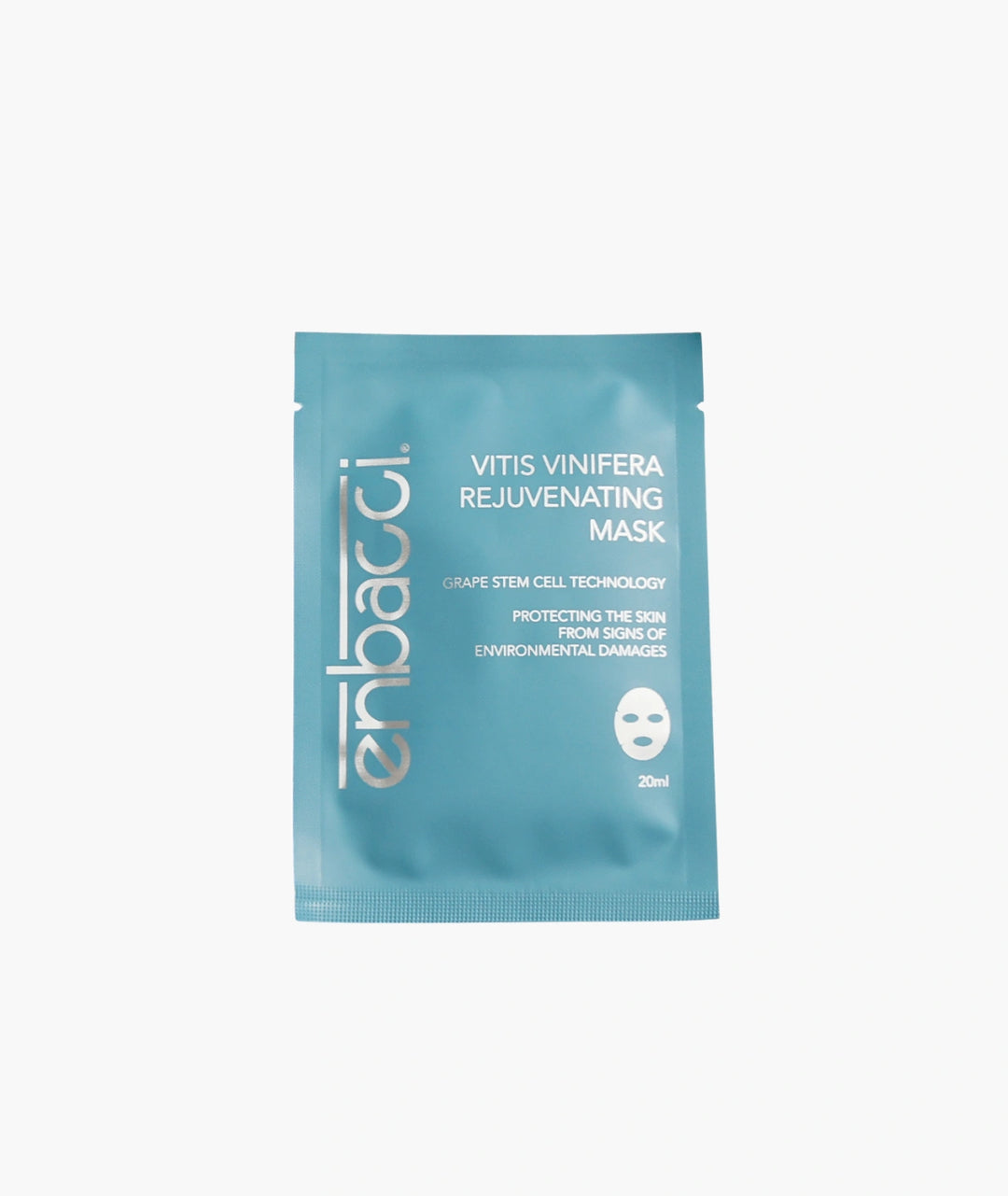
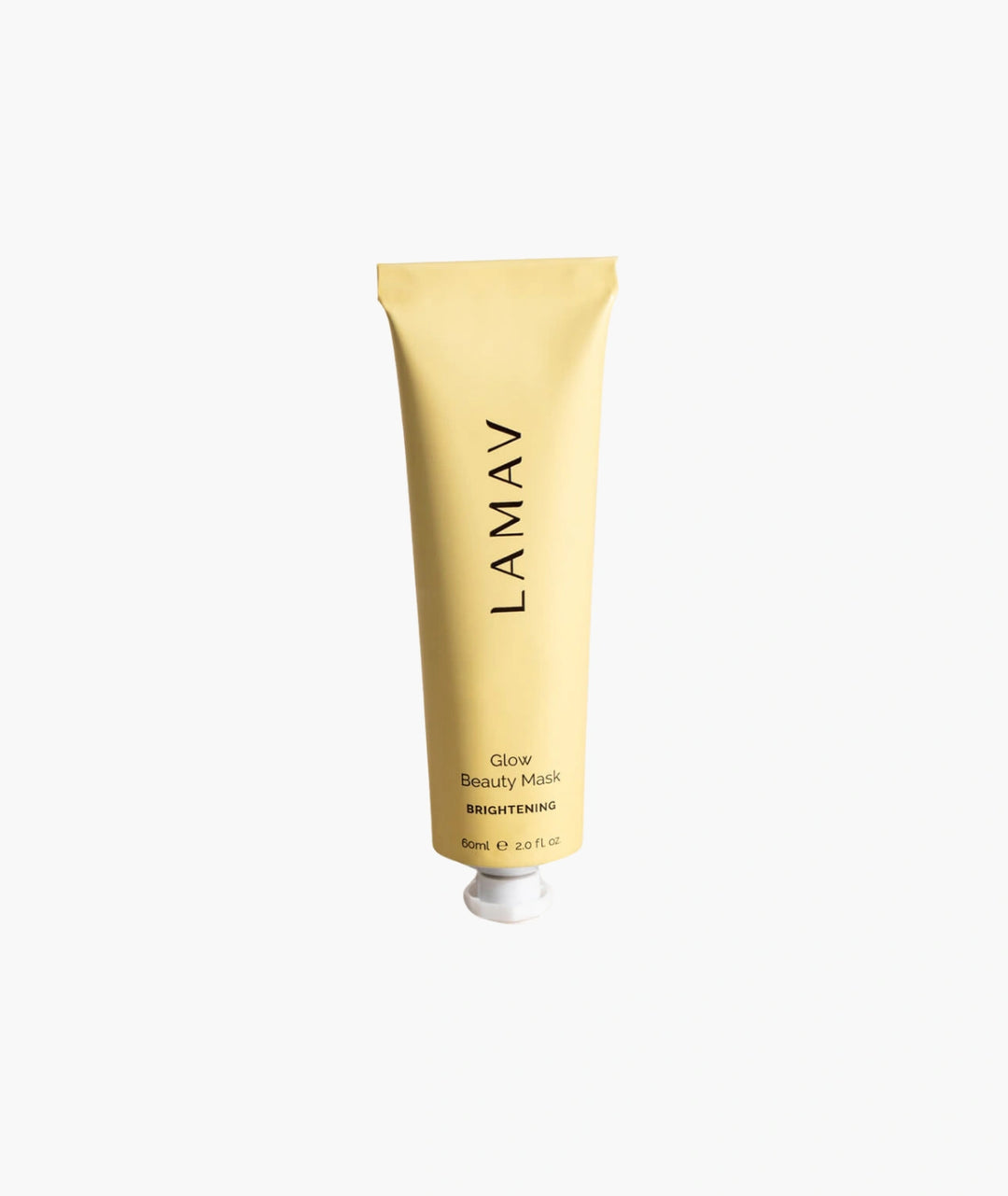
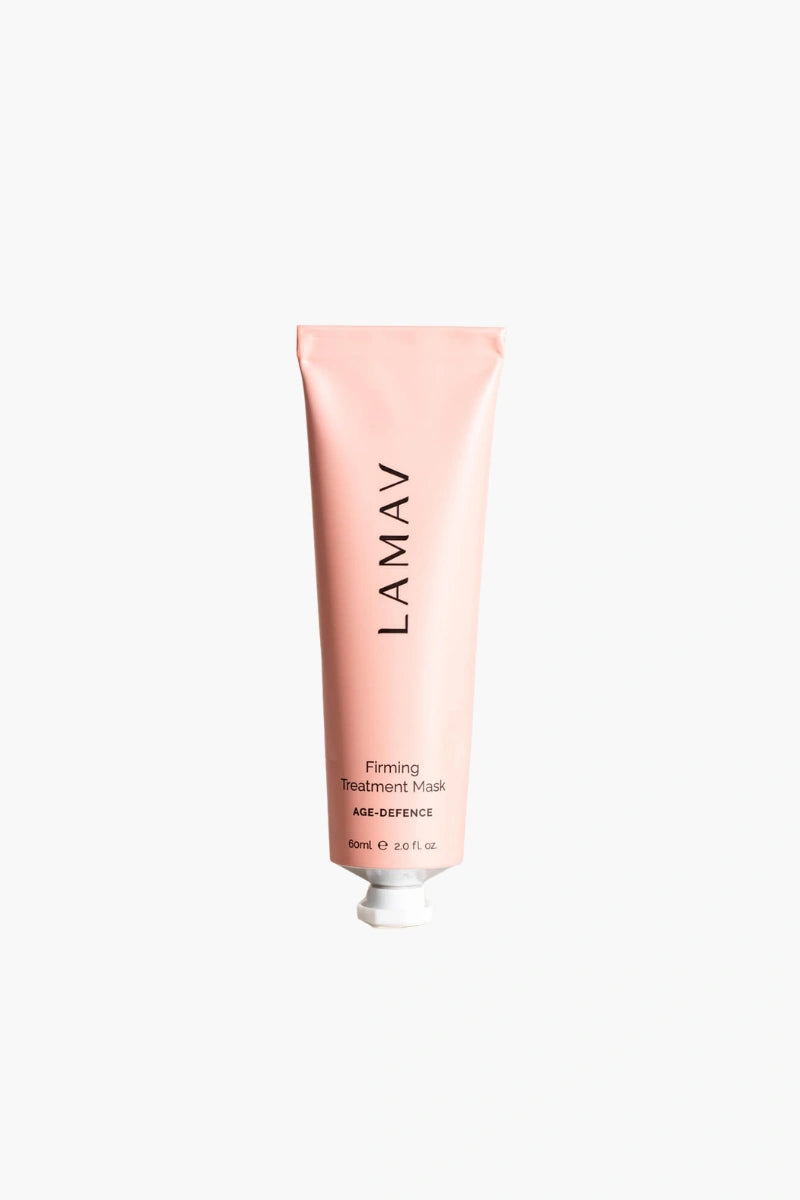
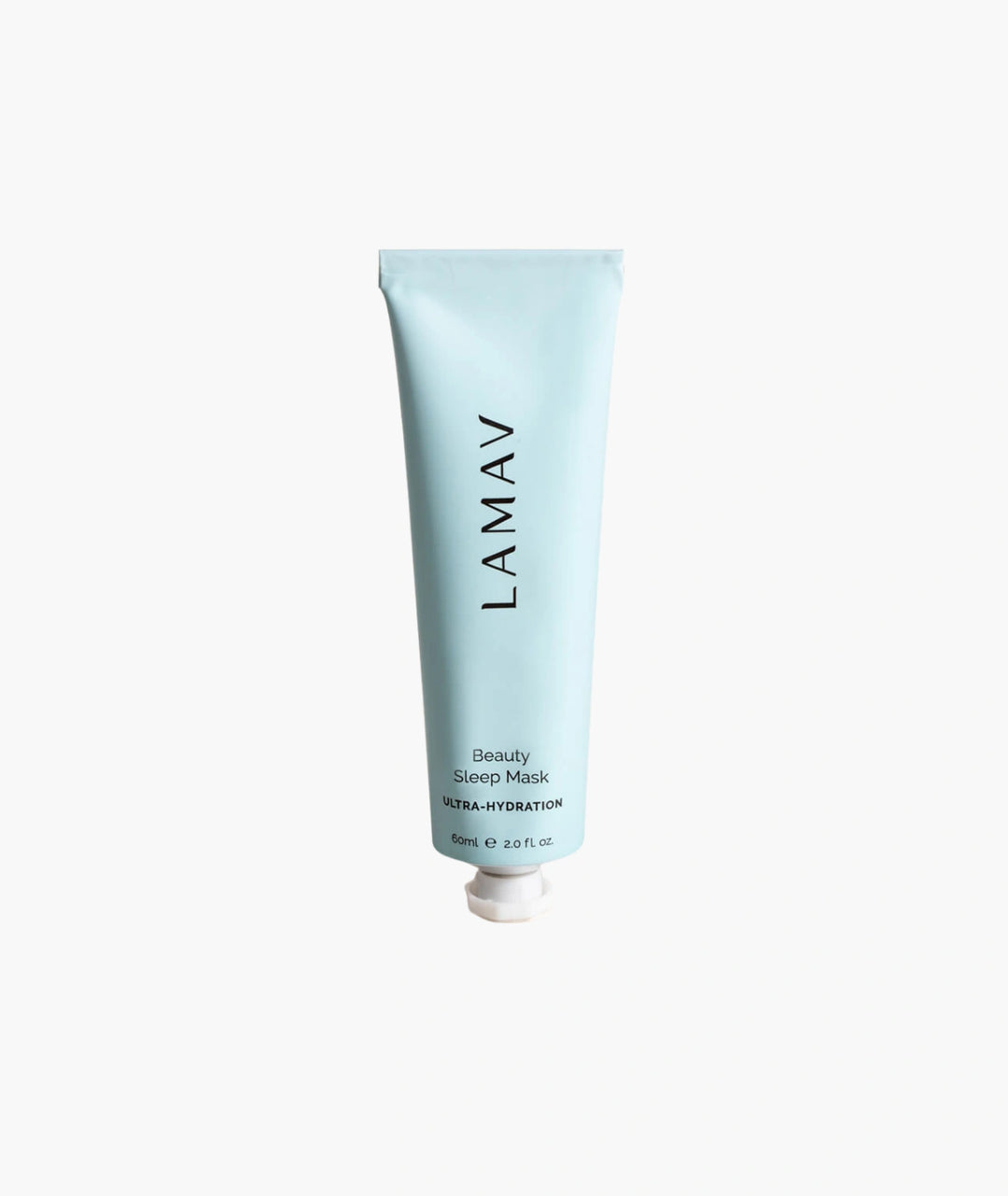
These are the VAMS Beauty face masks we would naturally recommend by skin concern. Each one has a different purpose, which helps avoid product confusion and makes the routine easier to build.
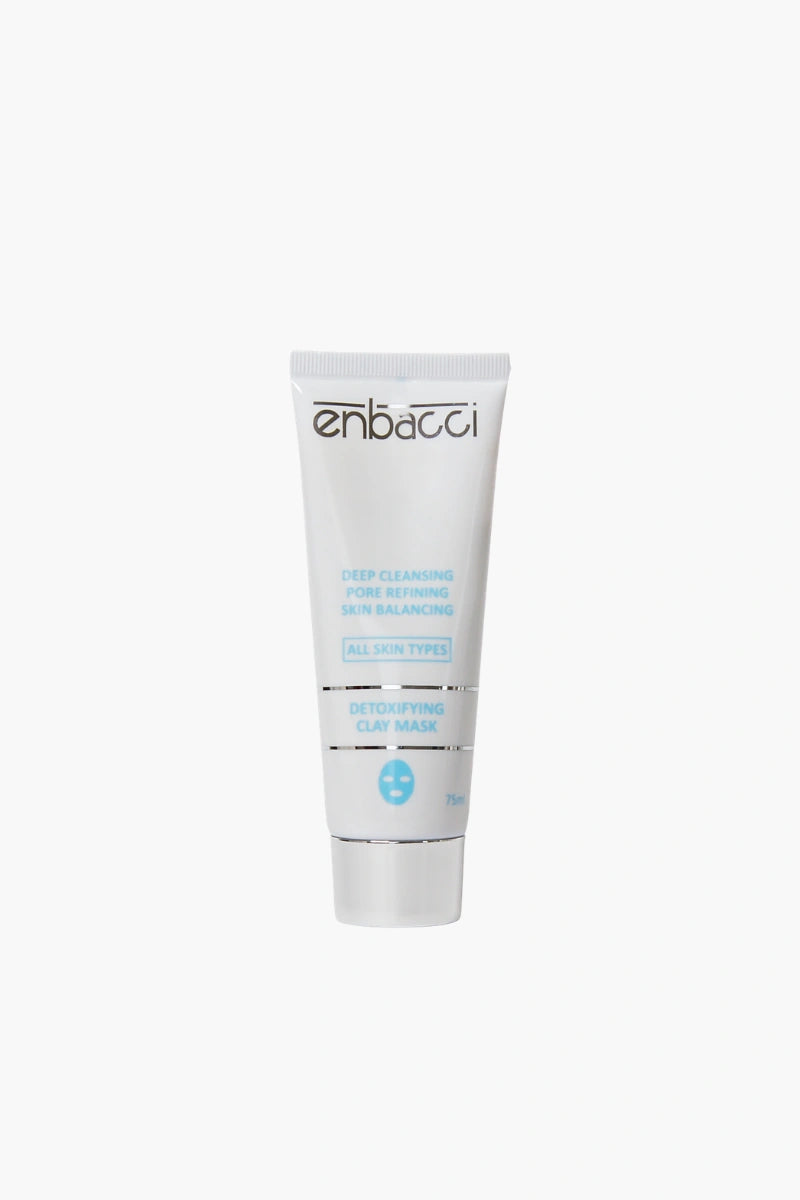
Build a Weekly Face Mask Routine
You do not need to use every mask every week. Pick two or three that match your skin goals.
How to Use a Face Mask Properly
- Cleanse first. Masks work better on clean skin.
- Apply the mask evenly. Avoid the immediate eye area unless the product says otherwise.
- Follow the timing directions. Leaving a clay mask on too long can make skin feel tight.
- Rinse or remove as directed. Sheet masks are removed, while clay and cream masks are usually rinsed.
- Follow with serum and moisturiser. Seal in hydration and support the barrier afterwards.
- Use SPF in the morning. Especially if your mask contains exfoliating or brightening ingredients.
Common Face Mask Mistakes
Leaving clay masks on until they crack
A clay mask does not need to become fully dry and cracked to work. Rinse when directed or when the mask is set but not painfully tight.
Using too many active masks
If you exfoliate, use retinoids and apply clay masks all in one week, your skin may become irritated. Leave space between stronger treatments.
Skipping moisturiser afterwards
Most masks should be followed with moisturiser, especially clay, exfoliating and sheet masks.
Using a mask that does not match your skin
A dry skin type may not love frequent clay masking. Oily skin may not need heavy overnight masks every night. Choose based on what your skin is asking for.
Frequently Asked Questions
What do face masks do for skin?
Face masks provide targeted support for hydration, glow, firmness, oil control, congestion, texture or comfort, depending on the formula. They are treatment boosts used alongside your regular skincare routine.
What is the purpose of a face mask for skin?
The purpose of a face mask is to give skin longer contact time with active, hydrating or nourishing ingredients. Masks are used to target specific concerns more intensively than everyday products.
Do face masks actually work for skin?
Yes, face masks can work when they are well formulated and matched to your skin concern. Results are often temporary but can still be useful for hydration, radiance, oil balance and skin prep.
What are good face masks for skin?
Good face masks are chosen by concern. Dry skin may prefer a sleep mask or sheet mask, oily skin may prefer a clay mask, dull skin may suit a glow mask and mature skin may enjoy a firming or rejuvenating mask.
What are the benefits of face masks in skincare?
Benefits include hydration, plumping, brighter-looking skin, smoother texture, oil absorption, barrier comfort and a relaxing self-care moment.
What are the benefits of a sheet mask?
Sheet masks can deliver a concentrated serum boost, support hydration and leave skin looking temporarily plumper and fresher. They are especially useful before events, after travel or when skin looks tired.
When should I use a face mask, morning or night?
Use glow and hydrating masks in the morning before events or makeup. Use clay, firming, exfoliating and sleeping masks at night when skin has more time to settle.
Can I use a face mask every day?
Some gentle hydration masks may be used more often, but most people should not use active, clay or exfoliating masks every day. One to three times weekly is usually enough.
Should I moisturise after a face mask?
Yes. After most masks, apply serum or moisturiser to help seal in hydration and keep the skin barrier comfortable.
Should I wash my face before a mask?
Yes. Apply face masks to clean skin so the formula can make better contact with the skin surface.
How long should I leave a face mask on?
Follow the product directions. Many rinse-off masks are used for around 10–20 minutes, while sleeping masks are designed to stay on overnight.
Are clay masks good for dry skin?
Clay masks can be too drying if overused, but modern clay masks with hydrating ingredients may suit some dry or combination skin types when used occasionally.
What is the best mask for glowing skin?
A glow mask with brightening, gentle exfoliating or antioxidant ingredients is best when your skin looks dull or tired. Hydration also plays a major role in glow.
What is the best mask for mature skin?
Mature skin often benefits from firming, hydrating and rejuvenating masks that support softness, bounce and radiance.
Can sensitive skin use face masks?
Yes, but sensitive skin should patch test first and avoid overusing active, fragranced or exfoliating masks.
Research and References
- DermNet NZ: Skin care
- DermNet NZ: Moisturisers
- DermNet NZ: Acne
- Peer-reviewed review: Hyaluronic acid in skin ageing and hydration
- VAMS Beauty: Vitis Vinifera Rejuvenating Mask product information
- VAMS Beauty: Glow Beauty Mask product information
- VAMS Beauty: Firming Treatment Mask product information
- VAMS Beauty: Beauty Sleep Mask product information
- VAMS Beauty: Detoxifying Clay Mask product information
Explore more: shop facial masks, exfoliants, facial serums and moisturisers at VAMS Beauty.
Read more on The VAMS Edit: Best Hydrating Products for Face, What Order Should I Do My Skincare Routine? and Difference Between AHA and BHA Exfoliants.
Want $100 worth of Australian skincare and beauty products? Subscribe anywhere on the website for your chance to win.


Leave a comment