


What Is Clean Beauty? The Complete Australian Guide (2026)

Last updated 12 July 2026 · 18 min read
Clean beauty is a marketing term, not a legal one. In Australia there is no official standard that defines it, which is exactly why it is worth understanding properly before you spend a cent.
At its best, clean beauty gives shoppers more information about ingredients, formulation choices, sourcing and brand values. At its worst, it can become a vague label placed on almost anything that looks natural, minimal or environmentally friendly.
This guide explains what clean beauty means, what it does not mean and how cosmetics are regulated in Australia. It also shows you how to assess ingredients, certifications, sustainability claims and product suitability without falling for fear-based marketing or greenwashing.
KEY TAKEAWAYS
- Clean beauty has no official or legally enforceable definition in Australia.
- Clean does not automatically mean natural, organic, vegan, cruelty-free, sustainable, fragrance-free or suitable for sensitive skin.
- Cosmetic ingredients are regulated in Australia, but the word “clean” itself is not a regulated product category.
- A product should be judged by its complete formula, intended use, evidence, labelling and suitability for your skin rather than by one ingredient alone.
- Transparent ingredient lists and specific, supportable claims are more useful than broad claims such as “non-toxic” or “chemical-free”.
- The best clean beauty choice is the product that meets your needs, aligns with your values and can be used safely and consistently.
QUICK ANSWER
Clean beauty generally refers to skincare, makeup, haircare and personal care products made according to a brand or retailer’s chosen ingredient and formulation standards. Because Australia has no official clean beauty definition, shoppers should look beyond the label and assess the full ingredient list, brand transparency, evidence, product claims and suitability for their own skin.
In this article
- What is clean beauty?
- What clean beauty is not
- Is clean beauty regulated in Australia?
- How is clean beauty different from natural, organic and green?
- Why do people choose clean beauty?
- What ingredients do clean beauty brands use or avoid?
- Is clean beauty better for sensitive skin?
- Is clean beauty more expensive?
- How can I avoid greenwashing?
- How do I actually shop clean beauty in Australia?
- The VAMS Beauty approach
- Shop the clean beauty edit
- Clean beauty myths and facts
- Frequently asked questions
- Related reading
- Research and references
What Is Clean Beauty?
Clean beauty is a broad retail and marketing concept used for beauty products made according to a chosen set of ingredient, formulation or ethical standards. The exact standard varies between brands and retailers.
One company may define clean beauty as products made without a particular exclusion list. Another may focus on ingredient traceability, biodegradability, refillable packaging or low-waste manufacturing. Some brands combine all of these ideas while others use the term only to describe what is not included in a formula.
VAMS BEAUTY DEFINITION
Clean beauty is a values-led approach to skincare, makeup and personal care that prioritises clear ingredient information, thoughtful formulation and honest claims. It is not a guarantee that a product is natural, risk-free or suitable for every person.
The clean beauty movement grew from shoppers wanting greater transparency about what they apply to their skin and how products are made. It also overlaps with interest in Australian-made products, independent brands, cruelty-free practices, vegan formulas, sensitive-skin options and more conscious packaging.
Those values can be meaningful, but the term becomes confusing when it is treated as a scientific or legal safety category. It is neither. A “clean” product can still cause irritation, an allergy or a breakout. A product that is not marketed as clean can still be well formulated, responsibly made and suitable for your skin.
What does clean mean on a beauty label?
On a product label or retailer page, clean usually means the product meets that business’s own published criteria. Good clean beauty standards explain what those criteria are. They may identify excluded ingredients, required documentation, packaging expectations, manufacturing requirements or evidence needed to support marketing claims.
If a brand uses the word clean but does not explain what it means, the term gives you very little practical information. The more specific the claim, the easier it is to assess.
What Clean Beauty Is Not
Clean beauty is not a shortcut for deciding whether every ingredient is good or bad. Cosmetic safety depends on factors such as concentration, route of exposure, frequency of use, formulation, product stability and the individual using it.
| Common belief | What it actually means |
|---|---|
| Clean means chemical-free | Everything is made of chemicals, including water, plants and the human body. “Chemical-free” is not a meaningful cosmetic claim. |
| Clean means natural | Clean formulas may contain naturally derived, nature-identical and synthetic ingredients. |
| Natural means safer | Natural ingredients can still irritate skin or trigger allergies. Essential oils and fragrant plant extracts are common examples. |
| Clean means non-toxic | “Non-toxic” is often too broad to be useful without context, evidence and a clear explanation of dose and exposure. |
| Clean means hypoallergenic | No cosmetic can guarantee that nobody will react. Individual sensitivities vary. |
| Clean means sustainable | Ingredient standards and environmental performance are different issues. A brand should provide evidence for each sustainability claim. |
Clean beauty is not a medical category
Clean beauty is also not a treatment category. Cosmetics are generally intended to cleanse, perfume, protect, maintain or change appearance. Products that claim to prevent, diagnose, cure or treat medical conditions may fall under therapeutic goods rules instead, depending on their ingredients, presentation and intended use.
A moisturiser may help skin feel softer and reduce the visible signs of dryness. That does not automatically make it a treatment for eczema, rosacea, acne or dermatitis. Be cautious when beauty marketing blurs that distinction.
Is Clean Beauty Regulated in Australia?
No Australian law creates a separate category called clean beauty or defines a universal clean beauty standard. However, this does not mean cosmetics are unregulated.
Different parts of the Australian regulatory system cover cosmetic ingredients, product classification, ingredient labelling, consumer safety and advertising claims.
| Australian body or framework | What it covers |
|---|---|
| AICIS | The Australian Industrial Chemicals Introduction Scheme regulates the importation and manufacture of industrial chemicals, including most ingredients used in cosmetics. |
| TGA | The Therapeutic Goods Administration regulates therapeutic goods. Most ordinary cosmetics are not assessed by the TGA unless their ingredients, intended use or claims bring them into the therapeutic goods framework. |
| ACCC and Australian Consumer Law | Marketing claims must not be false, misleading or deceptive. Businesses should be able to support environmental, sustainability and product claims. |
| Cosmetics Information Standard | The Consumer Goods (Cosmetics) Information Standard 2020 sets mandatory requirements for cosmetic ingredient labelling. |
How cosmetic ingredients are regulated
AICIS regulates the introduction of industrial chemicals into Australia. “Introduction” generally means importing or manufacturing chemicals. Almost all ingredients in skincare, makeup and personal care products are treated as industrial chemicals, including ingredients described as natural or organic.
This is important because natural origin does not remove an ingredient from regulatory oversight. A plant extract is still made of chemicals and may still require appropriate categorisation, records or assessment under the relevant scheme.
What the TGA does and does not regulate
The TGA regulates therapeutic goods, not ordinary cosmetics merely because they are applied to the skin. Whether a product is a cosmetic or therapeutic good can depend on its ingredients, claims, intended purpose and presentation.
A basic facial cleanser or moisturiser will usually be a cosmetic. A product promoted as treating a disease, changing a physiological process or delivering a therapeutic effect may need to comply with a different framework. Sunscreens can also be treated differently depending on the product and its claims.
Ingredient labels in Australia
Cosmetic ingredient information should be available to consumers at the point of sale. This helps shoppers identify ingredients they avoid, compare formulas and check for known allergens or sensitivities.
Ingredients are usually listed in descending order by volume or mass, although special rules apply to ingredients present at low concentrations and colour additives. Botanical ingredients may appear under scientific or INCI-style names, which can make a list look more technical than it really is.
IMPORTANT
A long or unfamiliar ingredient name is not evidence that an ingredient is harmful. Ingredient names are standardised so they can be identified consistently across products and markets.
How Is Clean Beauty Different from Natural, Organic and Green?
These terms often appear together, but they describe different ideas. One product may fit several categories or none of them.
| Term | What it usually describes | What to check |
|---|---|---|
| Clean | A brand or retailer’s ingredient and formulation criteria | The actual standard and exclusion list |
| Natural | Ingredients sourced or derived from nature | Percentage, processing method and certification |
| Organic | Agricultural ingredients produced according to organic standards | Whether the product or ingredients are certified, and by whom |
| Green | Environmental positioning or reduced impact | Evidence for packaging, emissions, sourcing and disposal claims |
| Vegan | No intentionally added animal-derived ingredients | Certification, formulation details and manufacturing controls |
| Cruelty-free | Animal-testing policies | Scope, certification and supply-chain policy |
Can synthetic ingredients be clean?
Yes. Many clean beauty formulas contain synthetic or nature-identical ingredients because they can improve stability, consistency, safety, preservation or performance. Synthetic does not automatically mean harsh and natural does not automatically mean gentle.
For example, a carefully selected synthetic preservative may protect a water-based formula from microbial contamination. Removing an effective preservation system simply to make a product appear more natural can create a less reliable product.
Can a natural product fail clean beauty standards?
Yes. A retailer may exclude a natural ingredient because of sensitisation concerns, sourcing standards or its own formulation philosophy. A natural product may also contain heavy fragrance, use vague environmental claims or provide little ingredient transparency.
Why Do People Choose Clean Beauty?
People choose clean beauty for different reasons. For some, it is about avoiding a known trigger. For others, it is about supporting independent founders, choosing vegan formulas or reducing packaging waste.
Ingredient transparency
Many shoppers want full ingredient lists, plain-English explanations and clear information about fragrance, allergens and active ingredients. That transparency helps people make choices based on their own needs rather than a universal list of “good” and “bad” ingredients.
Personal sensitivities
Someone who knows they react to fragrance, a particular preservative or an essential oil may use clean beauty filters to narrow their options. This can be useful when the criteria are specific and the ingredient list is complete.
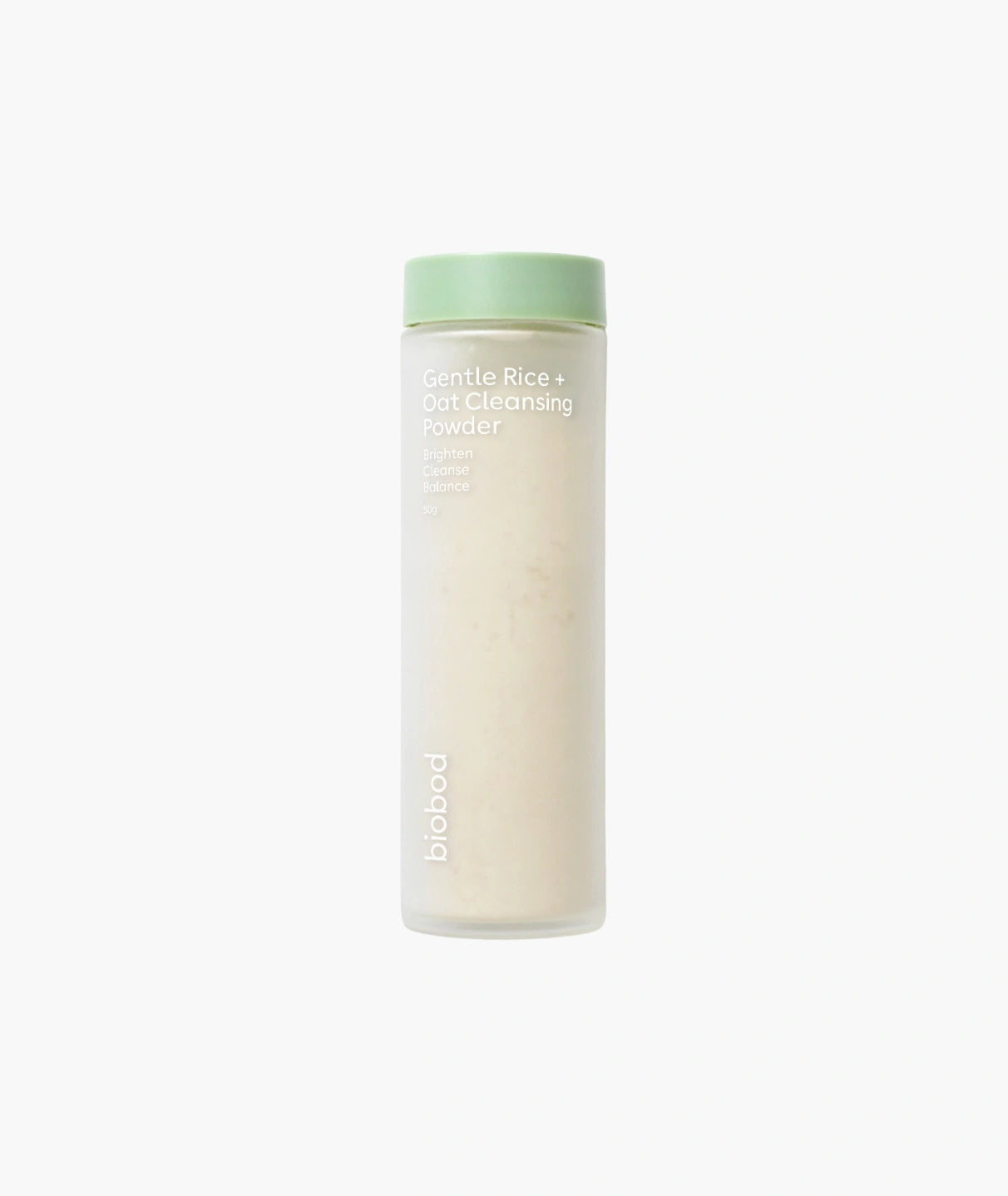
EDITOR’S CHOICE · BEST WATERLESS CLEANSER
biobod Gentle Rice & Oat Cleansing Powder 50g
A waterless powder that turns to a soft lather in your hands. Who it suits: anyone whose skin feels tight after washing, and anyone curious about a format they have probably never tried. Why it helps: skin feels clean and comfortable rather than stripped. How to use it: tip a small amount into damp hands, work into a lather and massage over the face as your first or second cleanse.
Shop nowValues and ethics
Clean beauty often overlaps with values such as Australian manufacturing, women-founded businesses, vegan formulas, cruelty-free policies, refillable packaging and responsible sourcing. If that is what draws you in, it is worth meeting the people behind the products — you can browse every label we stock on our brands page.
Simpler routines
Some clean beauty brands focus on multifunctional products and shorter routines. A well-edited routine can reduce waste, make consistency easier and limit unnecessary layering.
Support for smaller Australian brands
Buying from independent Australian beauty brands can support local jobs, local manufacturing and founders developing products for Australian conditions and consumers. Local origin alone does not determine quality, but it can be an important purchasing value.
What Ingredients Do Clean Beauty Brands Use or Avoid?
There is no universal clean beauty ingredient list. Exclusion lists vary, sometimes significantly. A responsible brand should explain why it avoids an ingredient instead of using fear as a sales tactic.
Ingredients that are often discussed in clean beauty
The following ingredient groups commonly appear in clean beauty conversations. Their presence does not automatically make a product unsafe and their absence does not automatically make a product better.
- Parabens: Effective preservatives that some clean standards exclude. Different parabens have different evidence and regulatory limits, so treating the entire group as identical oversimplifies the issue.
- Fragrance: May be synthetic, natural or a combination. Fragrance can be enjoyable but may not suit people with fragrance sensitivity or reactive skin.
- Essential oils: Plant-derived and aromatic, but not automatically gentle. Some contain recognised fragrance allergens and may irritate sensitive skin.
- Sulphates: Cleansing ingredients that vary in strength and function. Formula design matters more than judging every sulphate by name alone.
- Silicones: Used for slip, smoothness and barrier feel. Some clean standards permit them while others exclude certain types for environmental or philosophical reasons.
- Mineral oil and petrolatum: Highly refined cosmetic grades are used for moisture retention and skin protection. Some standards avoid them because of sourcing preferences rather than because every cosmetic use is inherently unsafe.
- PEGs and ethoxylated ingredients: A broad group with many different functions. Quality manufacturing and impurity controls matter.
- Formaldehyde-releasing preservatives: Used in some cosmetic systems and often excluded by clean standards. Product concentration and regulatory limits are important context.
A BETTER QUESTION TO ASK
Instead of asking “Is this ingredient clean?”, ask “What does this ingredient do, how is it used in this formula and is the finished product appropriate for me?”
Ingredients often featured in clean skincare
- Glycerin and hyaluronic acid for water-binding hydration.
- Ceramides, squalane and plant oils for barrier comfort and softness.
- Colloidal oatmeal, aloe vera and centella in formulas designed to feel soothing.
- Niacinamide and vitamin C derivatives in formulas designed to help skin look brighter and more even.
- Zinc oxide in mineral sunscreen products that meet Australian sunscreen requirements. If sun protection is your priority, our complete guide to mineral sunblock goes further.
- Australian botanicals such as Kakadu plum, quandong and native extracts, where supported by appropriate formulation and evidence. Our ingredient spotlight series takes single ingredients apart one at a time.
Preservatives are not the enemy
Water-based beauty products need protection against microbial contamination. Preservatives help keep formulas safe and stable during their intended shelf life and use period.
A preservative-free claim may be appropriate for certain genuinely waterless products, but it should not be treated as automatically superior. In a water-containing formula, an effective and properly tested preservation system is an important part of product quality.
Is Clean Beauty Better for Sensitive Skin?
Clean beauty can help sensitive-skin shoppers when it provides useful filters, such as fragrance-free, essential-oil-free or minimal-ingredient formulas. However, the clean label itself does not guarantee suitability.
Sensitive and reactive skin can respond to both natural and synthetic ingredients. Fragrant essential oils, botanical extracts, exfoliating acids and high concentrations of active ingredients can all create problems for some people, even when the product is marketed as natural or clean.
What to look for if your skin is sensitive
- A complete ingredient list before purchase.
- Fragrance-free rather than merely “unscented” if fragrance is a known trigger.
- A simple formula without several new active ingredients at once.
- Clear directions and realistic claims.
- Packaging that protects the formula from contamination and repeated air exposure.
- Patch testing before full-face use.
How to patch test a new product
Apply a small amount to a limited area according to the product directions and monitor the skin before wider use. A home patch test cannot rule out every possible reaction, but it can help identify an immediate problem before the product is used across the whole face.
Stop using a product if you experience persistent stinging, burning, swelling, hives or worsening irritation. Seek professional medical advice for a severe or ongoing reaction.
Is Clean Beauty More Expensive?
Clean beauty can be more expensive, but it is not always. Price is influenced by formula development, ingredient sourcing, packaging, testing, manufacturing scale, certification, retail margins and brand positioning.
Why some clean beauty products cost more
- Small-batch or Australian manufacturing can have higher unit costs.
- Independent brands may not have the buying power of global companies.
- Certified organic or traceable ingredients may cost more to source.
- Airless, refillable or protective packaging may be more expensive.
- Stability, compatibility and safety testing add to development costs.
Does a higher price mean a cleaner or better formula?
No. Luxury pricing does not prove superior safety, efficacy or sustainability. An affordable product may be transparent and well formulated, while an expensive product may rely heavily on branding.
Judge value by how well the product meets your needs, how often you will use it, the amount required per use and whether the claims are supported. A simple product used consistently can offer better value than a complicated routine that goes unfinished.
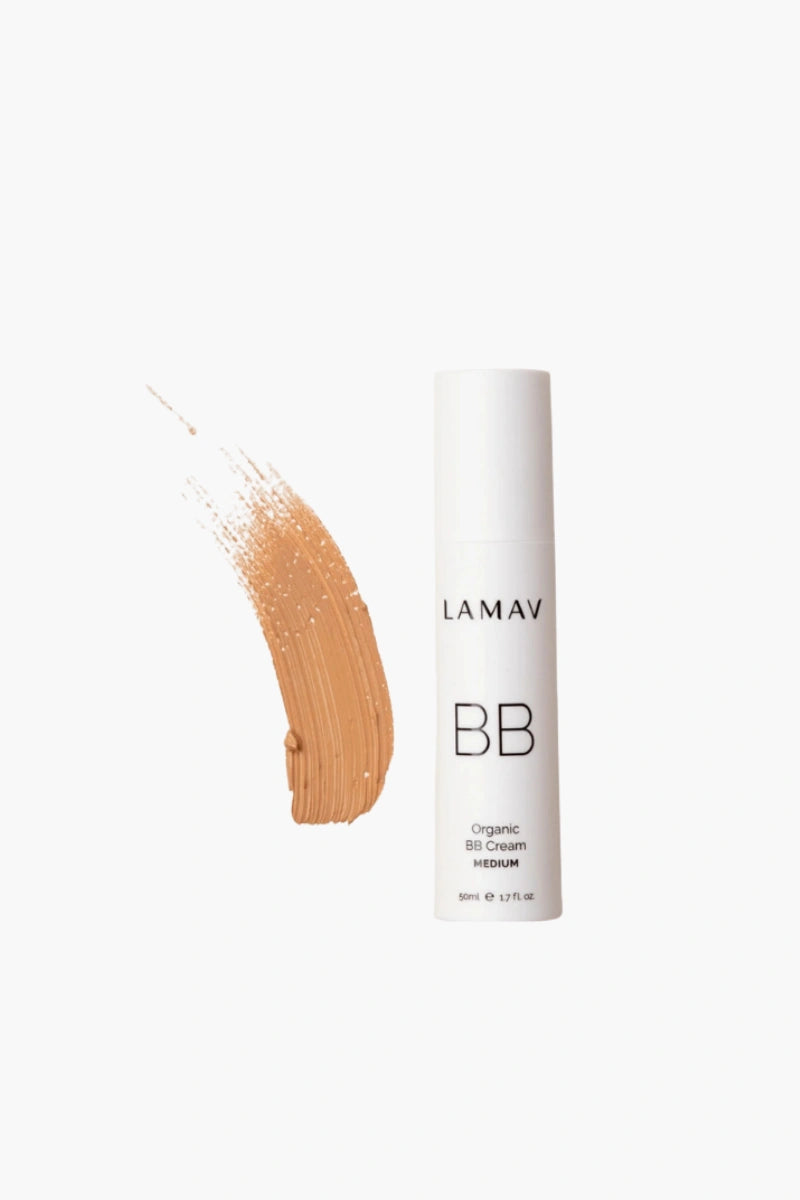
EDITOR’S CHOICE · BEST VALUE CLEAN BASE
LAMAV Organic BB Cream 50ml
The most-reviewed product in our clean beauty edit, and a good answer to the idea that clean has to cost more. Who it suits: anyone who wants light, everyday coverage rather than full makeup. Why it helps: it adapts to your tone, so skin looks evened out and naturally luminous rather than covered. How to use it: after moisturiser and sunscreen, blend a small amount over the face with fingers or a damp sponge.
Shop nowHow Can I Avoid Greenwashing?
Greenwashing occurs when environmental claims make a product or business appear better or less harmful to the environment than it really is. It can involve vague wording, unsupported claims, selective information or visuals that imply more than the evidence supports.
Seven signs a beauty claim needs a closer look
- The claim is vague. Words such as green, eco, conscious, planet-friendly or sustainable appear without a definition.
- There is no evidence. The brand does not explain how the claim was measured or verified.
- The claim covers only one small feature. A recyclable lid is used to imply that the entire product is environmentally responsible.
- Important conditions are hidden. Packaging is technically recyclable but not accepted through ordinary kerbside recycling.
- Nature imagery does the work. Leaves, forests and muted colours create an impression that the written claims do not support.
- The brand uses its own badge. A symbol looks like an independent certification but is only a self-created logo.
- The wording is absolute. Claims such as zero impact or completely sustainable require exceptionally strong evidence.
GREEN CLAIM CHECK
Look for a specific claim, the part of the product it applies to, supporting evidence, any important limitations and clear disposal instructions. Specific information is more trustworthy than a broad green promise.
Do certifications help?
Independent certifications can add structure and verification, but no single certification covers every clean beauty concern. Organic, vegan, cruelty-free and environmental certifications assess different criteria.
Check the certifying organisation, what the standard covers and whether the certification applies to the whole product, selected ingredients or the company. A brand without certification is not automatically untrustworthy, especially when certification costs are difficult for small businesses, but it should still be transparent.
How Do I Actually Shop Clean Beauty in Australia?
The easiest way to shop clean beauty is to begin with your own priorities rather than a universal exclusion list.
Step 1: Decide what clean means to you
Choose the two or three factors that matter most. These could include:
- Fragrance-free skincare
- Vegan formulas
- Cruelty-free policies
- Australian-made products
- Certified organic ingredients
- Refillable or lower-waste packaging
- Products suitable for sensitive skin
- Women-founded or independent brands
Step 2: Start with your skin or beauty need
A product still needs to perform its intended job. Begin with the problem you are trying to solve, such as dryness, cleansing, sun protection, makeup coverage or scalp care. Then apply your clean beauty preferences.
Step 3: Read the full ingredient list
Look for known personal triggers and useful ingredients for your skin type. Do not assume that the first botanical named on the front label is the main ingredient or that every technical name is undesirable.
Step 4: Check the exact claim
Ask what the claim covers. “Made with organic aloe” is different from “certified organic product”. “Recyclable bottle” is different from “widely recyclable through Australian kerbside systems”.
Step 5: Consider packaging and use
Packaging should protect the product and suit the formula. A pump may reduce repeated contamination, while a refill can reduce packaging only when the refill system is genuinely used and the materials are handled appropriately.
Step 6: Introduce one product at a time
Using several new products together makes it harder to identify what is helping or causing a reaction. Add one product, follow the directions and allow time to assess it before changing the rest of your routine.
Step 7: Be realistic about results
Clean beauty does not override biology. Skincare can support hydration, comfort, appearance and protection, but it cannot safely promise to cure every skin condition or permanently transform the skin.
| Your priority | What to look for |
|---|---|
| Sensitive skin | Fragrance-free formulas, fewer new actives, clear directions and patch testing |
| Vegan beauty | A clear vegan policy or recognised certification |
| Organic beauty | Certification details, organic percentage and the standard used |
| Lower-waste packaging | Refill options, material details and realistic Australian disposal instructions |
| Australian-made | A clear country-of-origin statement rather than Australian branding alone |
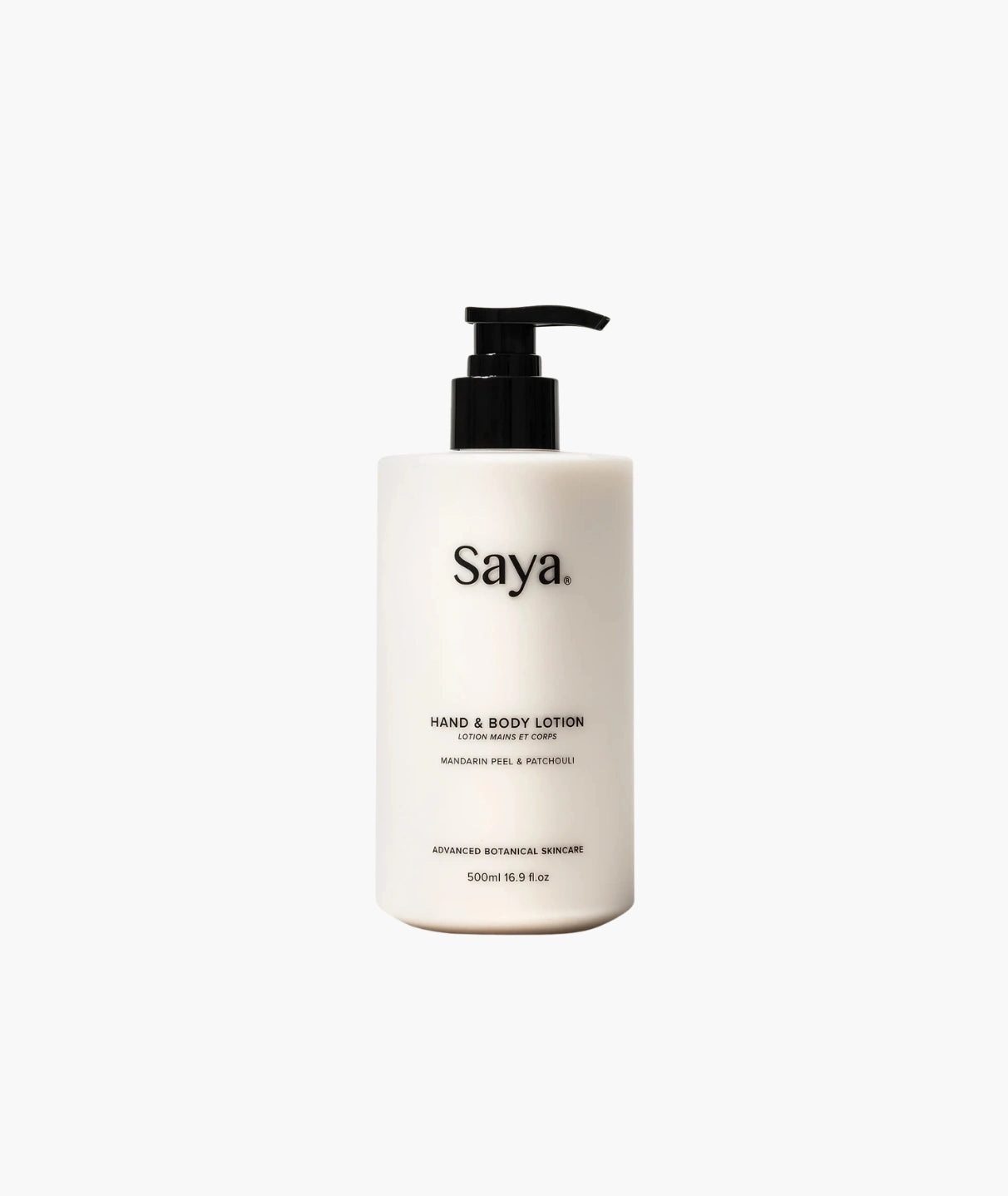
EDITOR’S CHOICE · BEST EVERYDAY BODY
Saya Hand & Body Lotion 500ml
Australian-made, and the least glamorous product in this guide — which is rather the point. Who it suits: anyone who wants one bottle by the sink and one by the bed. Why it helps: it is rich but sinks in fast, so skin feels softened and looks quietly glowy. How to use it: apply to damp skin after showering, and again on hands whenever you think of it.
Shop nowThe VAMS Beauty Approach to Clean Beauty
At VAMS Beauty, clean beauty is not about pretending that every ingredient has a simple good-or-bad answer. It is about helping shoppers make more informed choices through clear product information, thoughtful curation and honest education.
We champion Australian beauty brands, women-founded businesses and independent makers while recognising that values are only one part of a good product. Formula quality, suitability, performance, directions and transparent claims matter too.
Our goal is to make it easier to discover products that align with your needs and preferences without using fear to sell skincare or makeup.
Shop the Clean Beauty Edit
Four in-stock places to start, chosen because they are transparent about what is in them — not because they promise to change your skin. Browse the full range in our clean beauty collection.
SHOP THE CLEAN BEAUTY EDIT
Australian, women-founded, and honest about what is inside

Clean Beauty Myths and Facts
Myth: Clean beauty products contain no chemicals.
Fact: All cosmetic ingredients are chemicals, including water and plant extracts.
Myth: Natural skincare cannot irritate sensitive skin.
Fact: Essential oils, fragrant extracts and other natural ingredients can trigger irritation or allergy.
Myth: Synthetic ingredients are automatically harsh.
Fact: Synthetic ingredients can be gentle, stable and useful. Suitability depends on the ingredient, concentration and finished formula.
Myth: Preservative-free is always better.
Fact: Water-based products need an effective preservation strategy to control microbial contamination.
Myth: If a product is expensive, its clean claims are more trustworthy.
Fact: Price does not replace transparency, evidence or a complete ingredient list.
Myth: Cruelty-free means vegan.
Fact: Cruelty-free relates to animal-testing policies, while vegan relates to animal-derived ingredients. A product can be one without the other.
Myth: Clean beauty is automatically sustainable.
Fact: Ingredient selection and environmental impact are separate. Sustainability claims should be specific and supported.
Frequently Asked Questions
What is clean beauty?
Clean beauty is a marketing and retail term for beauty products made according to a brand or retailer’s chosen ingredient, formulation or ethical standards. There is no universal clean beauty definition in Australia.
Is clean beauty regulated in Australia?
The term clean beauty is not a regulated product category in Australia. However, cosmetic ingredients, labelling, product classification and marketing claims are covered by Australian regulatory frameworks.
Does clean beauty mean chemical-free?
No. Everything is made of chemicals, including water, plants and skin. “Chemical-free” is not a scientifically meaningful cosmetic description.
Is clean beauty the same as natural beauty?
No. Natural beauty generally refers to ingredients sourced or derived from nature. Clean beauty refers to a chosen set of formulation standards and may include natural, nature-identical and synthetic ingredients.
Is clean beauty the same as organic beauty?
No. Organic relates to agricultural production standards and may be independently certified. A clean product is not automatically organic and an organic ingredient does not make an entire product certified organic.
Is clean beauty safer?
A clean label alone does not prove that a product is safer. Safety and suitability depend on the finished formula, ingredient concentrations, product use and the individual using it.
Can clean beauty cause an allergic reaction?
Yes. Any cosmetic can potentially cause irritation or allergy, including clean, natural and organic products. Check the ingredient list and patch test if you have sensitive or reactive skin.
Is clean beauty better for sensitive skin?
It can be when the product is fragrance-free, clearly labelled and formulated for sensitive skin. However, natural fragrance, essential oils and active botanical extracts may still irritate some people.
Are synthetic ingredients allowed in clean beauty?
Often, yes. Each standard is different. Synthetic ingredients may be used to improve preservation, stability, texture, consistency or performance.
Are preservatives used in clean beauty?
Yes. Many clean beauty products use preservatives, particularly water-based formulas. Effective preservation helps control microbial contamination and supports product safety and stability.
What ingredients should I avoid in clean beauty?
There is no universal avoidance list that suits everyone. Focus on ingredients you know you react to, products that do not suit your skin and claims that lack evidence or context.
What is greenwashing in beauty?
Greenwashing is the use of claims or missing information that makes a product or business appear more environmentally responsible than it really is. Look for specific evidence and clear limitations.
How can I tell whether a clean beauty brand is trustworthy?
Look for a complete ingredient list, a clearly explained standard, realistic claims, clear directions, accessible customer support and specific evidence for environmental or ethical statements.
Does cruelty-free mean vegan?
No. Cruelty-free refers to animal-testing policies. Vegan means the formula does not intentionally contain animal-derived ingredients. Check both claims separately.
Does Australian-made mean every ingredient is Australian?
No. A product may be manufactured in Australia using a combination of Australian and imported ingredients. Check the country-of-origin statement and any specific sourcing claims.
Why is clean beauty sometimes more expensive?
Costs may reflect small-scale manufacturing, ingredient sourcing, testing, certification, specialised packaging or brand positioning. A higher price does not automatically mean a better or cleaner product.
Where can I buy clean beauty products online in Australia?
You can shop clean beauty through Australian brand websites and curated beauty retailers such as VAMS Beauty. Read each retailer’s criteria and check individual product details before buying.
Related Reading
This guide is the starting point for the VAMS Beauty clean beauty library. Keep going with these:
- Best Reef Safe Sunscreen Australia Guide — another beauty term with no regulated definition, and how to read past it.
- The Complete Guide to Mineral Sunblock in Australia — how mineral formulas work and who they suit.
- Best Paraben and Phthalate Free Perfume Brands in Australia — the same questions, applied to fragrance.
- The Complete Guide to Face Mists — what a mist can and cannot do for your skin.
- Ingredient Spotlight: Azeclair — a single ingredient, properly explained.
Or browse the shelves: clean beauty, skincare, makeup, body care, mineral sunscreen, fragrance and haircare, or meet every label we stock on our brands page.
Research and References
- Australian Industrial Chemicals Introduction Scheme: Cosmetics and soap
- AICIS: Personal care, skincare, make-up and other cosmetic products
- AICIS: Natural and organic ingredients
- Therapeutic Goods Administration: Determining if a product is a cosmetic or therapeutic good
- Product Safety Australia: Cosmetics ingredients labelling mandatory standard
- Product Safety Australia: Cosmetic ingredients labelling guide
- Australian Competition and Consumer Commission: Environmental and sustainability claims
This article provides general consumer information and does not replace medical, legal or regulatory advice. Product formulations, claims and regulations can change, so check current product labels and official Australian guidance.
WANT $100 WORTH OF AUSTRALIAN SKINCARE AND BEAUTY PRODUCTS?
Subscribe anywhere on the website for your chance to win.
ABOUT THE AUTHOR
Written by Ellie Bunic, Founder of VAMS Beauty. She loves to yap about beauty, wellness and emerging Australian beauty brands. Every article in The VAMS Edit is created to help readers make more informed, confident beauty decisions through trusted research, practical advice and thoughtfully curated product recommendations.


Leave a comment