


Are Sleep Masks Good for Your Skin? Benefits, How to Use One

Last updated 5 July 2026 · 13 min read
Are sleep masks good for your skin? Yes, a well-formulated sleep mask can be good for your skin when it is used correctly, especially if your skin feels dry, dull, tight, tired or in need of extra overnight hydration.
A sleeping mask, also called an overnight face mask, is designed to sit on the skin while you sleep. Unlike a rinse-off mask, it usually acts as the final step in your evening routine, helping to replenish moisture, soften the skin and support a smoother, more radiant-looking complexion by morning.
The most important thing to know is this: a sleep mask is not magic. It is simply a richer, more intensive treatment step that can help your skin hold onto water and recover from daily dryness, environmental stress and over-cleansing when the formula suits your skin type.
KEY TAKEAWAYS
- Sleep masks can be good for your skin because they help boost overnight hydration and support a softer, plumper-looking complexion.
- The main sleeping mask benefits for skin include moisture support, barrier comfort, glow, smoother texture and reduced visible dryness.
- A sleeping mask is usually used as the last step in your night routine, after cleansing and any suitable serum.
- Most skin types do not need an overnight mask every night. Two to three times per week is a sensible starting point.
- The best overnight face mask for glowing skin should include humectants, emollients and barrier-supportive ingredients, not just fragrance or a heavy texture.
QUICK ANSWER
Sleep masks are good for your skin when they are chosen for your skin type and used in moderation. A sleeping mask helps seal hydration into the skin overnight, making the complexion look softer, plumper and more radiant by morning. For dry, dull or tired-looking skin, an overnight face mask can be a useful weekly treatment step.
In this article
What Is a Sleep Mask?
A sleep mask is an overnight skincare treatment designed to be left on the face while you sleep. It is usually richer than a serum and more treatment-focused than a standard moisturiser.
The purpose is to support the skin’s overnight hydration cycle. While you sleep, your skin is still exposed to water loss, indoor heating or cooling, friction from pillows and the after-effects of daytime stressors such as UV exposure, makeup, cleansing and pollution.
A good overnight face mask usually combines three types of moisturising support:
- Humectants, such as glycerin and hyaluronic acid, which help attract water to the skin.
- Emollients, such as plant oils and butters, which help soften and smooth the skin surface.
- Occlusive or sealing ingredients, such as waxes, oils or richer lipids, which help reduce moisture loss.
QUICK SUMMARY
A sleep mask is a leave-on overnight face treatment that supports hydration, softness and glow. It usually contains humectants to attract water, emollients to soften the skin and richer ingredients that help seal moisture in while you sleep.
Are Sleep Masks Good for Your Skin?
Sleep masks can be good for your skin if your skin needs extra hydration, comfort or glow. They are especially useful when your skin feels dull, flaky, tight, dehydrated or tired-looking.
The skin barrier relies on adequate water and lipids to function well. Moisturising ingredients such as humectants, emollients and occlusives help improve the feel of dryness by attracting water, smoothing the skin and reducing evaporation from the surface. This is why a sleep mask can make skin look fresher by morning.
However, sleep masks are not automatically better than moisturisers. They are best thought of as an occasional intensive layer rather than a product every skin type must use daily.
When a sleep mask may help
- Skin looks dull or tired.
- Skin feels dry, tight or rough.
- You use active ingredients that can feel drying.
- Your skin loses glow during winter, travel or air conditioning.
- You want a low-effort treatment that works while you sleep.
When to be careful
- You are very acne-prone or easily congested.
- Your skin reacts to essential oils or fragrance components.
- You are using strong retinoids, acids or prescription treatments.
- Your skin is currently stinging, burning or inflamed.
Sleeping Mask Benefits for Skin
The main sleeping mask benefits for skin are hydration, softness, barrier support, smoother texture and a more radiant-looking complexion. The exact benefits depend on the formula.
How to Use Sleeping Mask for Face
How to use sleeping mask for face depends on the product, but most overnight masks are applied as the final step in your evening routine on clean skin.
Simple step-by-step routine
- Cleanse gently. Remove makeup, sunscreen and daily build-up.
- Apply a serum if needed. Choose a hydrating or barrier-supportive serum rather than stacking multiple strong actives.
- Apply the sleep mask. Smooth a thin, even layer over the face, avoiding the immediate eye area unless directed.
- Leave on overnight. Let the mask sit while you sleep.
- Cleanse or wipe away residue in the morning. Follow with your morning skincare and SPF.
How often should you use a sleeping mask?
Most people can start with two to three nights per week. If your skin is very dry, you may use it more often if the product suits you. If your skin is oily, congested or acne-prone, once or twice weekly may be enough.
Can you use a sleep mask after retinol?
You can use a sleep mask after retinol if your skin tolerates both products. However, if your retinol is new or strong, keep the rest of your routine gentle. Avoid layering retinol with exfoliating acids, scrubs or several active serums on the same night.
Can you use a sleep mask after exfoliating?
Yes, but choose carefully. After exfoliation, the skin may feel more receptive but also more vulnerable to irritation. A gentle hydrating mask may help, while a highly fragranced or active-heavy mask may not suit sensitive skin.
VAMS BEAUTY TIP
If your skin often feels tight by morning, use your sleeping mask on top of a simple hydrating serum. If your skin is congestion-prone, apply a thinner layer and avoid using it every night.
Sleep Mask vs Night Cream: What Is the Difference?
A night cream is usually designed for daily moisturising, while a sleep mask is often a more intensive treatment used several times per week. The difference is not always strict, because some rich night creams behave like sleeping masks and some sleep masks are lightweight enough to use more often.
Which Skin Types Benefit Most from Sleep Masks?
Dry, dull, mature and dehydrated skin types often benefit most from sleep masks because these skin concerns are closely linked to moisture loss, roughness and reduced surface glow.
Dry skin
Dry skin often lacks enough oil and may feel rough or flaky. A nourishing sleeping mask can help soften the skin and make it feel more comfortable by morning.
Dehydrated skin
Dehydrated skin lacks water and can occur in any skin type, including oily skin. Humectants such as glycerin and hyaluronic acid are useful because they help skin feel plumper and less tight.
Dull or tired-looking skin
When skin is under-hydrated, texture can look uneven and the complexion can appear flat. A sleep mask can help restore a fresher look overnight, especially before an event or after travel.
Mature skin
Mature skin may experience more dryness and visible texture changes. A sleeping mask can help support softness and glow, particularly when used alongside sunscreen, gentle cleansing and a consistent moisturising routine.
Oily or acne-prone skin
Oily and acne-prone skin can still be dehydrated, but rich masks may feel too heavy for some people. Choose lighter textures, use a thinner layer and avoid using sleep masks too often if you notice congestion.
Best Overnight Face Mask for Glowing Skin: Beauty Sleep Mask
The LAMAV Beauty Sleep Mask 60ml is the hero pick for anyone looking for the best overnight face mask for glowing skin, especially if the goal is hydration, softness and a refreshed morning complexion.
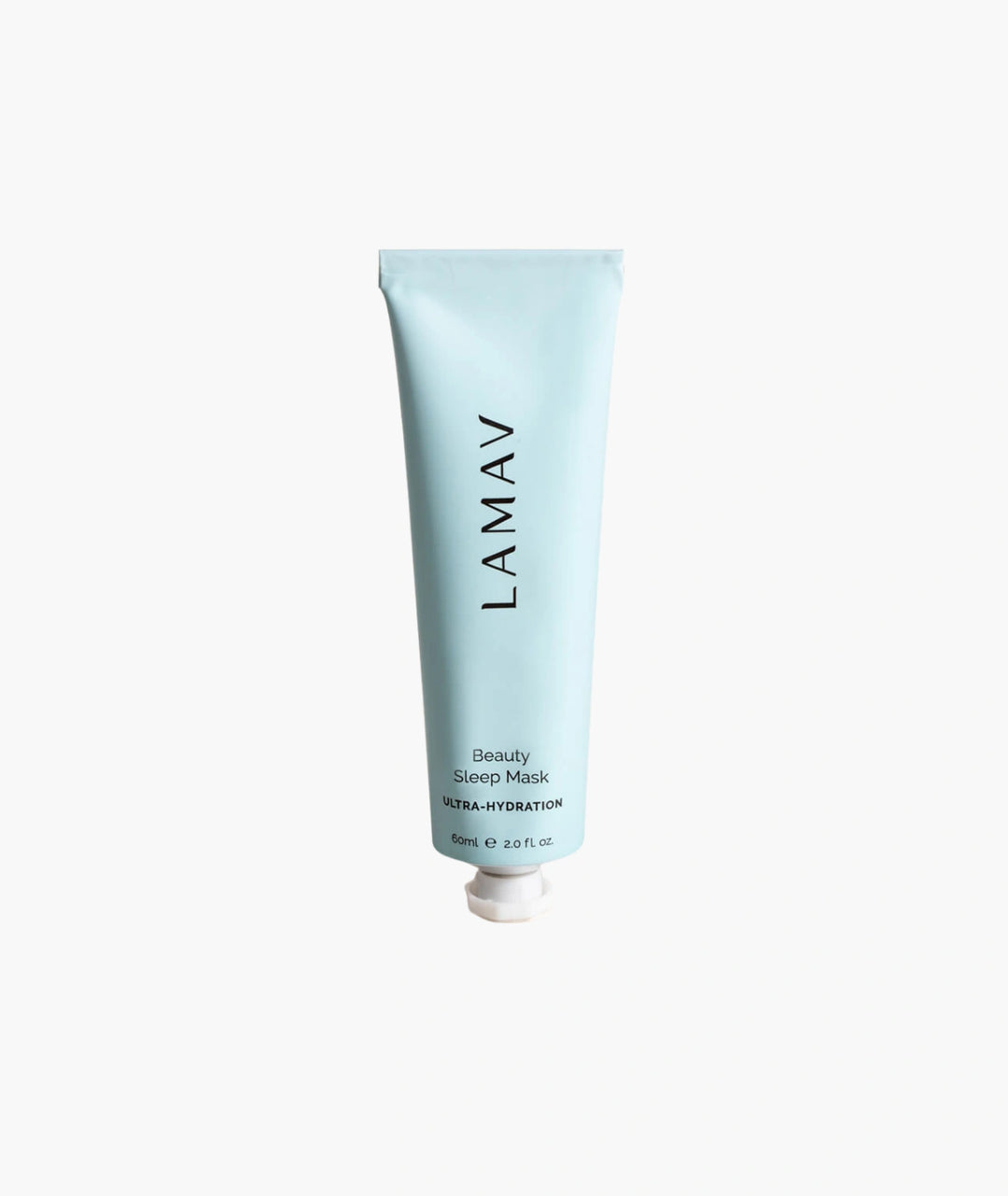
Ingredients with benefits:
- Aloe vera leaf juice helps create a soothing, hydration-focused base.
- Glycerin and hyaluronic acid support water-binding hydration.
- Shea butter, cocoa butter and macadamia oil help soften and nourish dry-feeling skin.
- Bisabolol is often used to comfort skin and reduce the look of stress.
- Emu Apple, Quandong and Amla Berry bring antioxidant and radiance-focused botanical support.
- Pink clay gives the formula a refined mask texture without turning it into a harsh drying treatment.
How to use Beauty Sleep Mask
Apply Beauty Sleep Mask liberally to cleansed, dry skin before sleep. Leave it on overnight, then wipe away any residue in the morning. It can be used alone or after a suitable LAMAV booster or serum. Start with two to three times per week.
What Ingredients Should You Look for in a Sleep Mask?
The best sleep masks are built around skin comfort, hydration and barrier support. Look for formulas that combine water-binding, softening and nourishing ingredients.
Hyaluronic acid
Hyaluronic acid is a humectant that helps skin feel hydrated and plump. It is especially useful in overnight formulas because it supports a smoother, fresher-looking complexion by morning.
Glycerin
Glycerin is one of skincare’s most reliable hydration ingredients. It helps attract water to the upper layers of the skin and works beautifully in leave-on products.
Plant oils and butters
Macadamia oil, avocado oil, shea butter and cocoa butter help soften dry skin and support a more comfortable barrier feel.
Soothing ingredients
Ingredients such as aloe vera and bisabolol can be useful when skin feels dry, stressed or uncomfortable.
Antioxidants
Antioxidant-rich botanicals and vitamin E can help support the skin against visible dullness caused by environmental stress.
Myth vs Fact
Myth: A sleep mask replaces your entire night routine.
Fact: A sleep mask is usually the final step after cleansing and any suitable serum. It does not replace cleansing or SPF the next morning.
Myth: The thicker the mask, the better the results.
Fact: Formula quality matters more than heaviness. The right balance of humectants, emollients and barrier-supportive ingredients is what makes the difference.
Myth: Every skin type should use a sleeping mask every night.
Fact: Many skin types do best using a sleep mask two to three times per week. Oily or congestion-prone skin may prefer less frequent use.
Common Mistakes to Avoid
Using too much product
A thick layer is not always better. Too much product can feel heavy, transfer onto your pillow or contribute to congestion if your skin is prone to clogged pores.
Layering too many actives underneath
A sleeping mask can help support comfort, but it should not be used to force your skin through an overly active routine. Keep retinoids, acids and strong brightening products sensible and spaced out.
Skipping sunscreen the next morning
A sleep mask may help your skin look fresh, but it does not protect your skin from UV exposure. Follow your morning routine with broad-spectrum SPF, especially in Australia.
Ignoring irritation
If a mask causes stinging, redness, itching, burning or breakouts, stop using it and reassess. Sensitive skin may need a simpler, fragrance-free or less active formula.
Continue Learning
Explore more VAMS Beauty guides and collections to build a smarter masking routine: shop facial masks, read The Ultimate Guide on Face Masks, browse facial serums, discover moisturisers and support your morning routine with sunscreen.
Frequently Asked Questions
Are sleep masks good for your skin?
Yes, sleep masks can be good for your skin when they are used correctly. They help boost overnight hydration, soften dry skin and support a smoother, more radiant-looking complexion by morning.
What are the main sleeping mask benefits for skin?
The main sleeping mask benefits for skin include hydration, barrier comfort, softness, glow and smoother-looking texture. They are especially helpful for dry, dull, dehydrated or tired-looking skin.
How do you use sleeping mask for face?
Cleanse first, apply any suitable serum, then smooth the sleeping mask over your face as the final night step. Leave it on overnight and cleanse or wipe away residue in the morning.
How often should I use a sleeping mask?
Start with two to three times per week. Very dry skin may tolerate more frequent use, while oily or congestion-prone skin may prefer once or twice weekly.
Can I use a sleeping mask every night?
Some gentle sleeping masks can be used nightly if your skin tolerates them, but most people do not need one every night. Overuse may feel heavy for oily or congestion-prone skin.
Is a sleeping mask better than moisturiser?
A sleeping mask is not automatically better than moisturiser. A moisturiser is usually for daily use, while a sleep mask is often a more intensive treatment step for extra hydration and glow.
What is the best overnight face mask for glowing skin?
The best overnight face mask for glowing skin should combine humectants, emollients, barrier-supportive ingredients and soothing botanicals. LAMAV Beauty Sleep Mask is a strong option for dry, dull and tired-looking skin.
Can oily skin use a sleep mask?
Yes, oily skin can use a sleep mask, especially if it is dehydrated. Choose a thinner layer, use it less often and avoid very heavy formulas if you are prone to clogged pores.
Can sensitive skin use a sleeping mask?
Sensitive skin can use a sleeping mask if the formula suits it, but patch testing is wise. Avoid products that sting, burn or contain known triggers for your skin.
Should I wash my face after a sleeping mask?
In the morning, you can cleanse gently or wipe away residue depending on your skin type and the product instructions. Follow with your usual morning routine and SPF.
Can I use a sleep mask after vitamin C?
Yes, you can use a sleep mask after vitamin C if your skin tolerates the combination. Many people prefer vitamin C in the morning and a sleep mask at night to keep routines simple.
Can I use a sleep mask after retinol?
You can use a sleep mask after retinol if your skin tolerates both. Keep the mask gentle and avoid layering exfoliating acids or too many strong actives on the same night.
Research and References
- The Role of Moisturisers in Addressing Various Kinds of Dermatitis, PMC
- DermNet NZ: Emollients and moisturisers
- Benefits of topical hyaluronic acid for skin quality and signs of skin ageing, PMC
- Cancer Council Australia: Sunscreen basics
- VAMS Beauty: LAMAV Beauty Sleep Mask 60ml
Explore more: facial masks, facial serums, moisturisers and sunscreen at VAMS Beauty.
Want $100 worth of Australian skincare and beauty products? Subscribe anywhere on the website for your chance to win.


Leave a comment