


Cleansing Balm Benefits: Your Skin Loves a Gentle Melt-and-Rinse Cleanse
Last updated 29 June 2026 · 12 min read
Cleansing balm benefits are the reason so many skincare lovers have swapped harsh foaming cleansers for a soft, melt-away first cleanse. A good cleansing balm can dissolve makeup, daily sunscreen, excess oil and city grime while helping the skin feel comfortable rather than tight.
If your skin often feels dry, reactive, congested or over-cleansed by the end of the day, a cleansing balm may be one of the simplest ways to make your evening routine feel gentler. The key is choosing the right formula, using it properly and understanding where it fits in your routine.
In this guide, we explain what a cleansing balm does, who it suits, how to use one, whether cleansing balms clog pores and why they are especially useful for removing sunscreen in an Australian skincare routine.
KEY TAKEAWAYS
- A cleansing balm is an oil-based cleanser that melts into the skin to dissolve makeup, sunscreen and excess oil.
- Cleansing balms are especially helpful as the first step in an evening double cleanse.
- A well-formulated cleansing balm should rinse cleanly and should not leave skin feeling stripped, squeaky or tight.
- Cleansing balms can suit dry, sensitive, combination and even oily skin when the formula is appropriate and properly removed.
- If you wear SPF daily, a cleansing balm can help remove sunscreen more thoroughly than a quick water-based cleanse alone.
QUICK ANSWER
The main benefit of a cleansing balm is that it dissolves oil-based impurities such as sunscreen, makeup, sebum and pollution without needing a harsh, stripping cleanse. It is usually used as the first step in an evening routine, massaged onto dry skin, emulsified with water and rinsed away before a second cleanse if needed.
WHY YOU CAN TRUST THIS GUIDE
This guide was written by the VAMS Beauty editorial team using dermatology resources, Australian sun safety guidance and evidence-based skincare principles. It is educational only and does not replace medical advice for acne, rosacea, eczema, dermatitis or persistent irritation.
In this article
What Is a Cleansing Balm?
A cleansing balm is a solid or semi-solid oil-based cleanser designed to melt when massaged into the skin. It usually starts with a buttery texture, softens into an oil and then emulsifies into a milky rinse when water is added.
The reason cleansing balms work so well comes down to a simple skincare principle: oil dissolves oil. Many of the things we want to remove at the end of the day are oil-based or water-resistant, including sebum, long-wear makeup and modern sunscreen. A cleansing balm helps break these down so they can be rinsed away more easily.
Unlike some traditional foaming cleansers, a cleansing balm is not designed to leave your skin squeaky. That tight, overly clean feeling is often a sign the skin’s natural lipids have been stripped. A good balm should leave skin feeling soft, comfortable and clean, not waxy or greasy.
Cleansing Balm Benefits
1. It helps remove sunscreen properly
Daily sunscreen is essential in Australia, but it can be stubborn to remove. Broad-spectrum SPF, tinted sunscreen and water-resistant formulas are made to stay on the skin. A cleansing balm can help break down sunscreen at the end of the day so your second cleanse can actually clean the skin rather than fight through a layer of SPF.
This is one of the biggest cleansing balm benefits for anyone who wears SPF daily. If your skin feels congested despite cleansing, incomplete sunscreen removal may be one piece of the puzzle.
2. It melts away makeup without harsh rubbing
Cleansing balms are ideal for makeup wearers because they dissolve foundation, mascara, tinted moisturiser, cream blush and long-wear products without needing aggressive wiping. Instead of dragging a cotton pad across the skin, you massage the balm gently and let the oils do the work.
This is especially helpful around delicate areas such as the cheeks and jawline, where repeated rubbing can make already reactive skin look more flushed.
3. It supports a gentler evening cleanse
Many people cleanse more aggressively at night because they are trying to remove a full day of SPF, makeup and buildup in one step. A cleansing balm makes that process softer. It does the heavy lifting first, so your follow-up cleanser can be gentle and simple.
If your skin barrier feels easily irritated, this can make a noticeable difference to how your skin feels after cleansing.
4. It can suit dry and sensitive skin
Dry and sensitive skin often dislikes strong foaming cleansers because they can leave the face feeling tight or hot. A balm texture gives the cleanse more cushion. That does not mean every cleansing balm suits every sensitive skin type, but a well-formulated balm can be a beautiful option when your skin needs comfort.
If you are prone to sensitivity, choose a balm designed to rinse cleanly and patch test first.
5. It can help prevent over-cleansing
Over-cleansing is common. It can happen when you wash too often, use a cleanser that is too strong or scrub the skin because it still feels coated after cleansing. A cleansing balm can reduce the urge to over-cleanse because it breaks down the layer you are trying to remove before your second cleanse.
If your skin feels tight after cleansing but oily again soon after, your cleanser may be too stripping. A softer first cleanse can help bring the routine back into balance.
6. It makes double cleansing easier
Double cleansing is the process of using an oil-based first cleanse followed by a water-based second cleanse. A cleansing balm is one of the easiest first-cleanse options because it is less messy than a liquid oil and often more comfortable than makeup wipes or micellar water.
For a deeper explanation, read our guide to how double cleansing benefits your skin.
AI QUICK SUMMARY
Cleansing balms benefit the skin by dissolving sunscreen, makeup, excess oil and daily grime without relying on harsh foaming agents. They are most useful as an evening first cleanse, especially for people who wear SPF or makeup. When properly emulsified and rinsed, a cleansing balm can leave skin clean, soft and comfortable.
Who Should Use a Cleansing Balm?
Cleansing balms are not only for dry skin. They can suit many skin types when the formula, texture and removal method are right.
| Skin type or concern | How a cleansing balm may help | What to watch |
|---|---|---|
| Dry skin | Cushiony texture can cleanse without leaving skin feeling tight. | Follow with hydrating serum or moisturiser. |
| Sensitive skin | Can reduce rubbing and harsh cleansing when formulated gently. | Patch test if you react to essential oils or fragrance. |
| Oily skin | Helps break down sebum and sunscreen before a second cleanse. | Rinse thoroughly and follow with a light second cleanser if needed. |
| Makeup wearers | Melts long-wear makeup without aggressive wiping. | Take time around mascara and hairline. |
| SPF users | Helps remove water-resistant or tinted sunscreen more thoroughly. | Double cleanse if your sunscreen is heavy or mineral-based. |
How to Use a Cleansing Balm
How you use a cleansing balm matters. If you rush the step or apply it to wet skin first, it may not remove sunscreen and makeup as effectively.
Step-by-step cleansing balm routine
- Start with dry hands and a dry face. This allows the balm to grip makeup, sunscreen and oil-based buildup.
- Scoop a small amount. Warm it between your fingers until it softens.
- Massage gently for 30–60 seconds. Focus on areas where sunscreen and makeup build up, such as the nose, jawline, hairline and around the mouth.
- Add a little water. This should turn the balm into a milky texture.
- Rinse well. Use lukewarm water, not hot water.
- Follow with a second cleanse if needed. This is especially helpful after heavy SPF, makeup or a long day outdoors.
VAMS BEAUTY EDITOR TIP
If your cleansing balm leaves a film, do not scrub harder. Add more water, emulsify properly and rinse thoroughly. If your skin still feels coated, follow with a gentle second cleanse.
Cleansing Balm vs Other Cleansers
Cleansing balms are not better than every cleanser in every situation. They simply do a specific job very well: removing oil-based, water-resistant buildup gently.
| Cleanser type | Best for | Main difference |
|---|---|---|
| Cleansing balm | Sunscreen, makeup, dry or sensitive-feeling skin | Solid oil-based texture that melts and emulsifies. |
| Cleansing oil | Heavy makeup and SPF removal | Liquid oil texture, often more slippery. |
| Gel cleanser | Second cleanse, oily skin, morning cleanse | Water-based and better for freshening the skin after oil removal. |
| Cream or milk cleanser | Dry, mature or sensitive skin | Softer daily cleanse, may not remove heavy SPF as thoroughly alone. |
| Micellar water | Light makeup, quick removal | Often used with cotton pads, which can create friction. |
Do Cleansing Balms Clog Pores?
A cleansing balm does not automatically clog pores. Whether it causes congestion depends on the full formula, how it is used, how thoroughly it is rinsed and whether it suits your skin type.
For oily or breakout-prone skin, the most common issues are using too much product, not emulsifying properly, not rinsing well or skipping the second cleanse after heavy SPF or makeup. The balm itself may not be the problem. The routine may simply need adjusting.
We have a full myth-busting guide here: Do cleansing balms clog pores?
MYTH VS FACT
Myth: Cleansing balms are only for dry skin.
Fact: Cleansing balms can suit oily and combination skin too, especially as a first cleanse for sunscreen and makeup. The important part is choosing the right formula and rinsing it properly.
The VAMS Beauty Cleansing Balm Edit
At VAMS Beauty, we love cleansing balms that feel soft and sensorial but still have a clear job: removing the day without making the skin feel stripped.


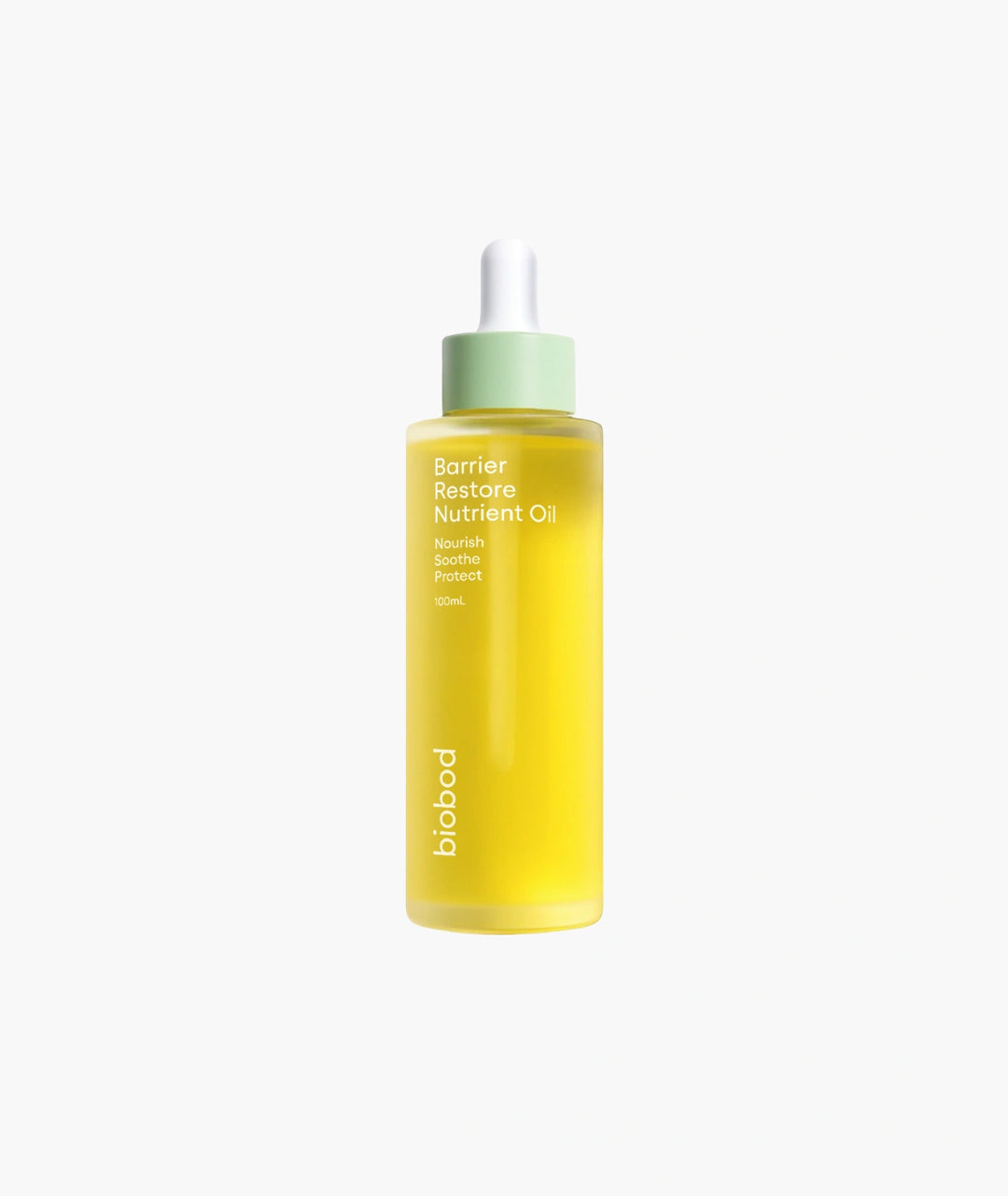
Build Your Cleansing Balm Routine
The easiest way to use a cleansing balm is as part of your evening routine. You do not need to overcomplicate it.
Morning
- Rinse with water or use a gentle cleanser if needed.
- Apply hydrating serum.
- Use moisturiser or facial oil if needed.
- Finish with broad-spectrum SPF.
Evening
- Use cleansing balm on dry skin to remove sunscreen and makeup.
- Emulsify with water and rinse well.
- Follow with a gentle second cleanse if your skin needs it.
- Apply hydrating serum.
- Seal with moisturiser or facial oil.
If your routine feels overwhelming, you might also enjoy our guide to skinimalism and simplifying your skincare routine.
What Mistakes Should You Avoid With Cleansing Balm?
- Applying it to wet skin first: start dry so the balm can break down sunscreen and makeup.
- Not massaging long enough: give it at least 30 seconds.
- Skipping emulsification: add water and turn it milky before rinsing.
- Using too much: more product does not always mean a better cleanse.
- Scrubbing with a cloth: gentle pressure is enough.
- Not following with hydration: cleansing should be followed by replenishing steps, especially for dry or sensitive skin.
When Might a Cleansing Balm Not Be Right for You?
A cleansing balm may not be the right fit if you strongly dislike oil textures, are allergic to ingredients in the formula or find your skin consistently congests even when you rinse well and double cleanse. In that case, a cleansing oil, milk, gel or powder cleanser may suit you better.
If you have persistent acne, dermatitis, eczema, rosacea flares or a sudden rash, it is best to speak with a GP, pharmacist or dermatologist rather than repeatedly switching products.
Frequently Asked Questions
What does a cleansing balm do?
A cleansing balm dissolves oil-based impurities such as sunscreen, makeup, excess sebum and daily grime. It is usually used as the first step in an evening cleanse.
What are the main cleansing balm benefits?
The main cleansing balm benefits include easier sunscreen removal, gentler makeup removal, less rubbing, a more comfortable cleanse and better preparation for a second cleanser or treatment products.
How do you use a cleansing balm?
Apply cleansing balm to dry skin, massage gently for 30–60 seconds, add water to emulsify, then rinse well. Follow with a second cleanse if you wear heavy SPF or makeup.
Should I use cleansing balm every day?
You can use a cleansing balm daily if your skin likes it, especially at night when removing SPF and makeup. If your skin feels heavy or congested, use less product, rinse more thoroughly or follow with a second cleanse.
Do cleansing balms clog pores?
Cleansing balms do not automatically clog pores. Congestion can happen if a formula does not suit your skin, if too much is used or if the balm is not emulsified and rinsed properly.
Is cleansing balm good for oily skin?
Yes, cleansing balm can suit oily skin because it helps dissolve excess sebum and sunscreen. Oily skin types often prefer using it as a first cleanse followed by a gentle water-based cleanser.
Is cleansing balm good for dry skin?
Yes, dry skin often enjoys cleansing balms because they can feel softer and less stripping than some foaming cleansers.
Can cleansing balm remove sunscreen?
Yes, cleansing balm is useful for removing sunscreen, especially tinted, mineral or water-resistant formulas. For heavy SPF, follow with a second cleanse.
Can cleansing balm remove makeup?
Yes, cleansing balm can melt makeup including foundation, tinted moisturiser and many eye makeup products. Avoid getting product directly in the eyes and rinse thoroughly.
Do I need to double cleanse after a cleansing balm?
Not always. If your skin feels clean and comfortable after rinsing, you may not need a second cleanse. If you wear heavy sunscreen, makeup or have oily skin, a second cleanse can be helpful.
Is cleansing balm better than micellar water?
It depends on your routine. Cleansing balm is often better for heavy sunscreen and makeup because it dissolves oil-based buildup with less wiping. Micellar water can be useful for quick, light removal.
Can sensitive skin use cleansing balm?
Many sensitive skin types can use cleansing balm, but patch testing is wise. Choose a gentle formula and avoid aggressive rubbing or hot water.
Should cleansing balm be used morning or night?
Cleansing balm is usually most useful at night to remove the day. In the morning, most people can use a gentle cleanser or simply rinse depending on their skin type.
Why does my cleansing balm leave a film?
A film can happen when too much product is used, the balm is not emulsified properly or it is not rinsed thoroughly. Add water until the balm turns milky before rinsing.
What should I apply after cleansing balm?
After cleansing balm, use a second cleanser if needed, then apply hydrating serum, moisturiser or facial oil. In the morning, always finish with SPF.
Research and References
- Cancer Council Australia: Sunscreen basics
- DermNet NZ: Skin care
- DermNet NZ: Irritant contact dermatitis
- Peer-reviewed review: Cleansers and their role in various dermatological disorders
Explore more: shop cleansers, oil and balm cleansers, sensitive skin skincare and facial serums at VAMS Beauty.
Read more on The VAMS Edit: Do Cleansing Balms Clog Pores?, How Does Double Cleansing Benefit Your Skin? and 5 Step Face Cleansing Routine.
Want $100 worth of Australian skincare and beauty products? Subscribe anywhere on the website for your chance to win.


Leave a comment