


Do Cleansing Balms Clog Pores? Here's What We Know About Balm Cleansers

Last updated 29 June 2026 · 8 min read
Do cleansing balms clog pores? It is one of the most common questions people ask before trying a balm cleanser, especially if their skin is oily, combination, congested or breakout-prone.
The short answer is no, cleansing balms do not automatically clog pores. A well-formulated cleansing balm that is emulsified properly and rinsed thoroughly can be a gentle, effective way to remove sunscreen, makeup, excess oil and daily grime. Breakouts are more likely to happen when the formula does not suit your skin, too much product is used or the balm is not removed properly.
This guide explains how cleansing balms work, why some people think they cause congestion and how to use one without overwhelming your skin.
KEY TAKEAWAYS
- Cleansing balms do not automatically clog pores.
- They are designed to dissolve oil-based buildup such as sunscreen, makeup and sebum.
- Breakouts can happen if a balm is not emulsified, rinsed well or followed with a second cleanse when needed.
- Oily and acne-prone skin can still use cleansing balms, but formula choice and removal technique matter.
- If your skin is already irritated or breaking out, introduce cleansing balms slowly and patch test first.
TLDR;
Cleansing balms do not automatically clog pores. They can actually help remove pore-clogging sunscreen, makeup and excess oil when used correctly. Apply to dry skin, massage gently, add water to emulsify until milky, rinse thoroughly and follow with a second cleanse if you wear heavy SPF, makeup or have oily skin.
WHY YOU CAN TRUST THIS GUIDE
This guide was written by the VAMS Beauty editorial team using dermatology resources, Australian sun safety guidance and evidence-based skincare principles. It is educational only and does not replace medical advice for acne, dermatitis, eczema, rosacea or persistent irritation.
In this article
Do Cleansing Balms Clog Pores?
Cleansing balms do not automatically clog pores. A cleansing balm is an oil-based first cleanser designed to dissolve oil-based impurities, including sunscreen, makeup, sebum and pollution particles. When it is properly emulsified and rinsed away, it should not sit on the skin as a heavy residue.
The confusion usually comes from the fact that cleansing balms feel rich and oily at first. But oil texture does not automatically mean pore-clogging. The purpose of a balm is to bind to oil-based buildup, break it down and help rinse it away.
Problems usually happen when the balm is not right for your skin, when too much is used, when it is not emulsified with water or when a second cleanse is skipped after heavy sunscreen or long-wear makeup.
MYTH VS FACT
Myth: Any oil-based cleanser will clog pores.
Fact: A properly formulated cleansing balm is designed to be rinsed away. Whether it suits your skin depends on the full formula, your skin type and how thoroughly you remove it.
Why Some People Break Out After Using Cleansing Balm
If your skin breaks out after trying a cleansing balm, it does not always mean balm cleansers are bad for your skin. It may mean your routine needs adjusting.
| What might be happening | Why it matters | What to try |
|---|---|---|
| Not emulsifying | The balm may not rinse cleanly if water is not added before rinsing. | Add water and massage until the balm turns milky. |
| Using too much product | More balm can leave more residue if not removed well. | Use a small amount and massage thoroughly. |
| Skipping a second cleanse | Heavy SPF or makeup may need a follow-up cleanse. | Use a gentle second cleanser after balm. |
| Formula mismatch | Some skin types dislike heavier waxes, butters or fragrance components. | Patch test and choose a formula suited to your skin. |
| Skin already irritated | A compromised barrier can react to almost anything new. | Pause actives and simplify your routine. |
Can Oily or Acne-Prone Skin Use Cleansing Balm?
Yes, oily and acne-prone skin can use cleansing balm. In fact, oily skin often benefits from a proper first cleanse because oil-based buildup can be difficult to remove with a quick foaming cleanse alone.
The trick is not to treat cleansing balm like a leave-on facial oil. It is a rinse-off product. Massage it into dry skin, emulsify with water, rinse thoroughly and follow with a gentle second cleanser if your skin feels more comfortable that way.
If your skin is actively inflamed, cystic, painful or suddenly breaking out, it is worth speaking with a GP, pharmacist or dermatologist. Cleansing balms can support a routine, but they are not acne treatments.
MORE TO KNOW
New to balm cleansers? Read our complete guide to cleansing balm benefits to learn what they do, who they suit and how they fit into a double cleansing routine.
How to Use Cleansing Balm Without Clogging Pores
Technique makes a big difference. If you use a cleansing balm correctly, it should feel like the product is lifting the day away, not leaving a thick film behind.
- Start with dry skin. Balm works best before water because it can grip sunscreen, makeup and oil.
- Use a small scoop. You do not need a huge amount.
- Massage gently for 30–60 seconds. Focus on the nose, chin, hairline and jaw where sunscreen and makeup often linger.
- Add lukewarm water. Keep massaging until the balm turns milky. This is emulsification.
- Rinse thoroughly. Avoid hot water, which can make skin feel stripped.
- Double cleanse if needed. If you wear heavy SPF, makeup or your skin is oily, follow with a gentle water-based cleanser.
For the full method, read how double cleansing benefits your skin.
How to Choose a Cleansing Balm If You Are Prone to Clogged Pores
If you are worried about clogged pores, look for a cleansing balm that suits your skin type and rinses cleanly. The goal is to remove buildup, not add another heavy layer to your routine.
- Choose an emulsifying balm: it should turn milky when water is added.
- Avoid aggressive rubbing: massage gently and let the balm do the work.
- Patch test first: especially if you are sensitive, acne-prone or reactive.
- Keep the rest of your routine simple: avoid introducing several new products at once.
- Follow with hydration: skin that feels balanced is less likely to overreact after cleansing.
If you feel stuck in a cycle of changing products constantly, our guide to skinimalism and simplifying your skincare routine may help.
The VAMS Beauty Edit
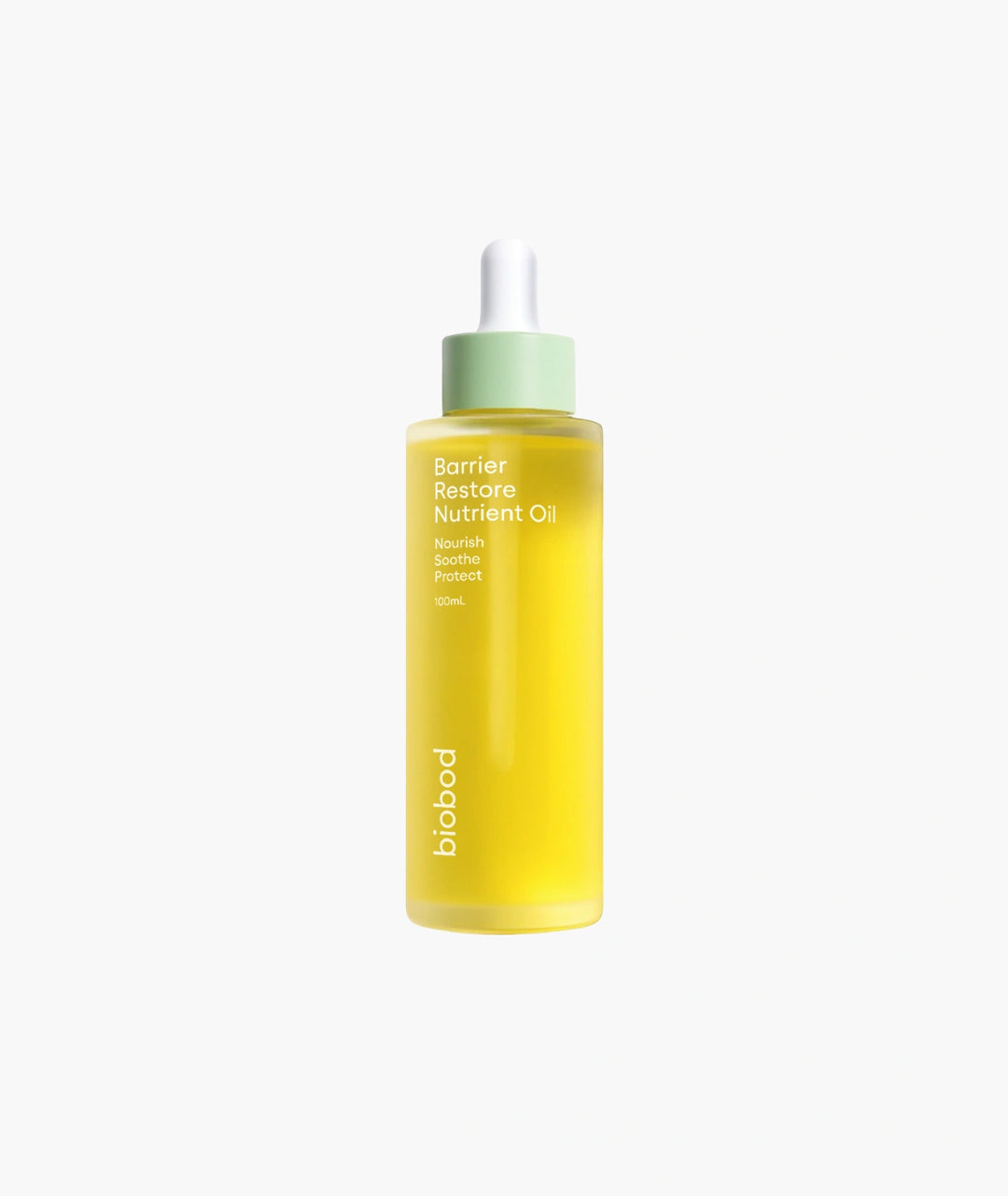
For this routine, we would keep it simple: a gentle balm cleanser, a calming hydrating serum and a nourishing barrier-support step if your skin feels dry or depleted.


Simple Routine for Congestion-Prone Skin
If you are worried about clogged pores, do not overcomplicate the routine. Keep your cleanse thorough and your leave-on steps lightweight.
Evening
- Calm Reset Cleansing Balm on dry skin.
- Emulsify and rinse thoroughly.
- Follow with a gentle second cleanse if wearing heavy SPF or makeup.
- Apply Replenishing Hydra-Soothe Serum to damp skin.
- Use Barrier Restore Nutrient Oil only if your skin feels dry or tight.
Morning
- Rinse or cleanse lightly.
- Apply hydrating serum if needed.
- Finish with broad-spectrum SPF.
Frequently Asked Questions
Do cleansing balms clog pores?
Cleansing balms do not automatically clog pores. A balm can contribute to congestion if it does not suit your skin, if too much is used or if it is not emulsified and rinsed properly.
Can cleansing balm cause breakouts?
It can for some people, but breakouts are often linked to poor removal, formula mismatch or introducing too many new products at once. Patch test first if you are acne-prone.
Are cleansing balms comedogenic?
Some ingredients may be comedogenic for some skin types, but a finished product depends on the full formula. A rinse-off balm behaves differently from a leave-on facial oil or heavy cream.
Is cleansing balm good for oily skin?
Yes, oily skin can use cleansing balm as a first cleanse, especially to remove sunscreen and makeup. Follow with a gentle second cleanse if your skin prefers a fresher finish.
Should acne-prone skin avoid cleansing balm?
Not always. Acne-prone skin can use cleansing balm if the formula suits and it is removed properly. If acne is persistent, painful or inflamed, seek professional advice.
Why does my skin feel greasy after cleansing balm?
You may be using too much product, not adding enough water to emulsify or not rinsing thoroughly. Add water until the balm turns milky before rinsing.
Do I need to double cleanse after cleansing balm?
If you wear heavy sunscreen, makeup or have oily skin, a second cleanse can help. If your skin feels clean and comfortable after balm, you may not need it every time.
Can I use cleansing balm every day?
Yes, many people use cleansing balm daily in the evening. If your skin feels congested, use less product, rinse more thoroughly or double cleanse.
Is cleansing balm better than micellar water for pores?
Cleansing balm is often better for heavy sunscreen and makeup because it dissolves oil-based buildup with less wiping. Micellar water can be useful for light makeup or quick removal.
What should I use after cleansing balm?
Use a second cleanser if needed, then follow with hydrating serum, moisturiser or facial oil. In the morning, always finish with SPF.
Research and References
- DermNet NZ: Acne
- DermNet NZ: Skin care
- DermNet NZ: Irritant contact dermatitis
- Cancer Council Australia: Sunscreen basics
- Peer-reviewed review: Cleansers and their role in various dermatological disorders
Explore more: oil and balm cleansers, cleansers, sensitive skin skincare and facial serums at VAMS Beauty.
Read more on The VAMS Edit: Cleansing Balm Benefits, How Does Double Cleansing Benefit Your Skin? and 5 Step Face Cleansing Routine.
Want $100 worth of Australian skincare and beauty products? Subscribe anywhere on the website for your chance to win.


Leave a comment