


Gel, Powder, Cream or Bar: Which Cleanser Type Suits Acne-Prone Skin?
Last updated 5 September 2026 · 6 min read
- The format decides how a cleanse feels and that matters as much as the ingredient list for acne-prone skin.
- Gel suits oilier, breakout-prone skin; powder and soap-free bars suit sensitive skin; cream and oil/balm formats suit drier skin or a first-cleanse.
- There's no single “best” format match it to how your skin behaves day to day.
For acne-prone skin, gel and foaming cleansers suit oilier skin because they cut through excess oil without a heavy residue; water-activated powders and soap-free bars are the gentlest, so they suit sensitive or reactive skin; and cream, milk, oil or balm cleansers suit drier skin or work as a first step in a double cleanse. Choose by how your skin feels, not by which sounds strongest.
“Gel or foam?” is one of the most common questions we hear about cleansing acne-prone skin and the honest answer is that the format matters because it changes how stripped or comfortable your skin feels afterwards. Here's how the main cleanser types compare, and who each one suits. For our specific picks, see the best face cleanser for acne-prone skin edit.
Gel & foaming cleansers
Gels lather lightly and rinse clean, lifting excess oil and makeup without leaving residue — which is why they're a favourite for oilier, breakout-prone and combination skin. Look for a pH-balanced gel so it cleanses without that tight finish. Browse gel & foaming cleansers.
Powder & waterless cleansers
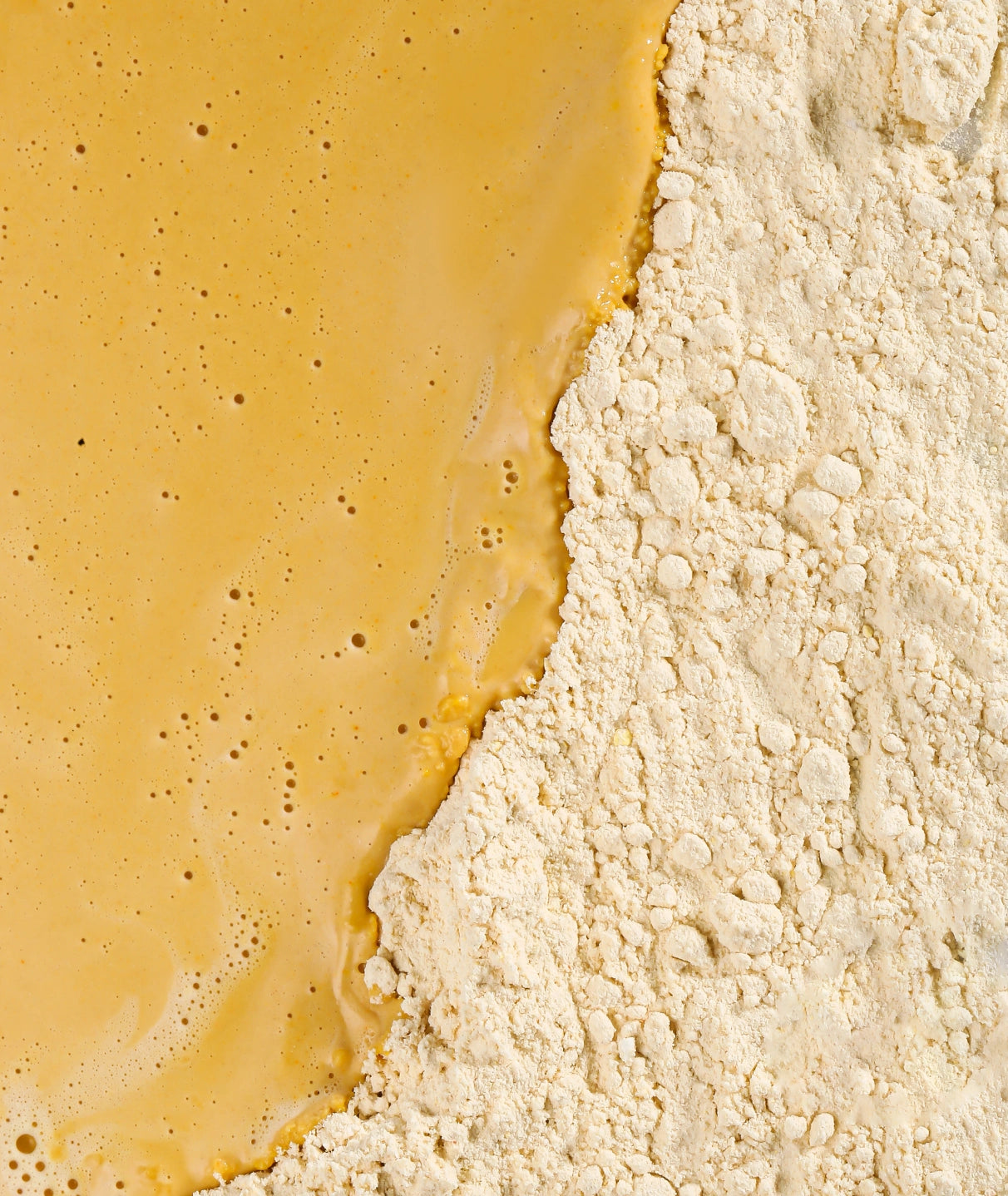
Water-activated powders are typically the gentlest format: you control the strength by how much water you add, and there's no harsh foam. They suit sensitive or reactive skin that also breaks out, and double as a gentle weekly treatment. Browse waterless cleansers.
Soap-free bars
A modern cleanse bar isn't traditional soap a good one is pH-balanced and soap-free, giving a comfortable, non-stripping cleanse at great value. Easy to keep gentle for daily use, and often suitable for face and body.
Cream, milk, oil & balm cleansers
Cream and milk cleansers are lower-foam and comforting, suiting drier or more reactive skin. Oil and balm cleansers melt away makeup and sunscreen and are ideal as the first step in a double cleanse, followed by a gel. Cream & milk cleansers · Oil & balm cleansers.
At a glance
| Format | How it feels | Best suited to |
|---|---|---|
| Gel / foaming | Light lather, clean rinse | Oily, breakout-prone, combination |
| Powder / waterless | Soft, adjustable, gentlest | Sensitive, reactive, breakout-prone |
| Soap-free bar | Comfortable, non-stripping | Most skin types, great value |
| Cream / milk / oil / balm | Low-foam, comforting | Drier skin, or a first cleanse |


Frequently asked questions
What's the difference between a gel and a foam cleanser?
Both are water-based and rinse clean. A foaming cleanser whips up more lather, which can feel satisfying but sometimes leaves skin tighter; a gel gives a lighter lather and a fresh finish. For acne-prone skin, a pH-balanced gel is often the more comfortable choice.
Can I use a powder cleanser if my skin is oily?
Yes. A water-activated powder can be built into a fuller cleanse by adding a little more product, and it removes oil gently without stripping. If you prefer a classic lather, a gel may suit you better day to day.
Do I need to double cleanse?
Only if you wear long-wear makeup or heavy sunscreen. In that case an oil or balm first, followed by a gel, removes everything without scrubbing. Otherwise one gentle cleanse morning and night is plenty.
Read more:
Best face cleanser for acne-prone skin · What to look for in a cleanser (ingredients) · Gentle cleansers for sensitive, acne-prone skin
Shop by format:
Join The VAMS Edit for clean-beauty routines, new-brand drops and subscriber-only giveaways. Sign up here.


