


Eye Patches: Before or After Skincare? How & When to Use Them

Last updated 23 August 2026 · 8 min read
Key takeaways
- Reusable silicone eye patches go after your eye serum or cream, they sit on top to help hold in what you've already applied.
- Serum-soaked hydrogel patches are used earlier, as their own treatment step on freshly cleansed skin.
- Morning, they help the under-eye area look smoother and more awake before makeup. At night, they can sit over your eye cream while you relax or sleep.
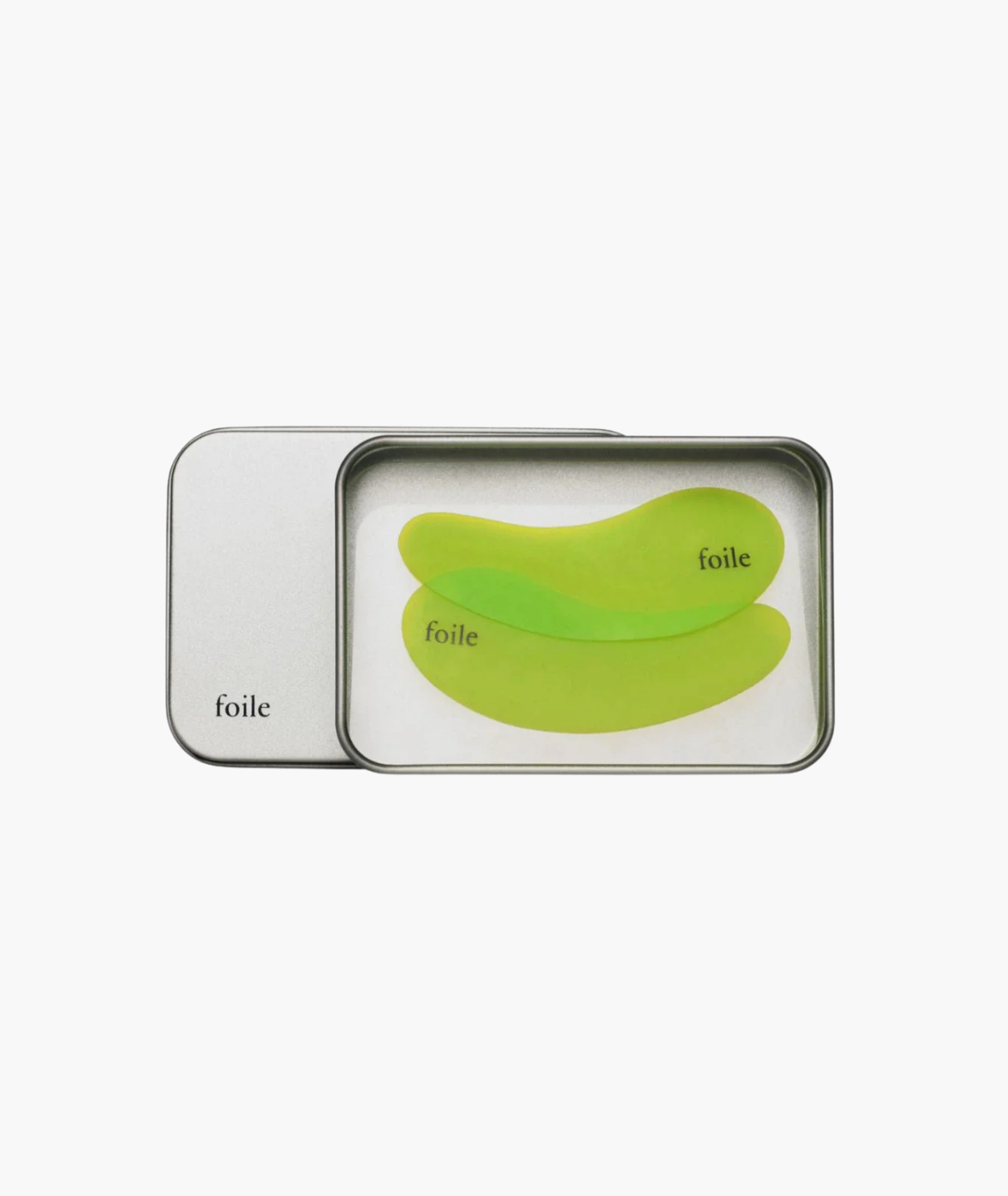
- VAMS stocks reusable, low-waste silicone patches from Foile and Wrinkles Schminkles: cruelty-free, and made to be used again and again.
On this page
Do eye patches go before or after skincare?
Reusable silicone patches go after your eye serum or cream they act like a lid, helping hold your products and your skin's own moisture against the delicate under-eye area. Serum-soaked hydrogel patches are the exception: they're used earlier, on clean skin, as their own hydrating step.
The reason there's no single answer is that "eye patches" covers two very different things:
Reusable silicone patches (like the ones we stock) don't contain any serum of their own. They work by sitting snugly over the skin to create a soft, occlusive seal. That seal helps slow moisture loss and keeps whatever you've already applied. Because they rely on your products doing the work underneath, they belong at the end of your eye routine.
Serum-soaked hydrogel patches are single-use and already saturated with their own hydrating ingredients. Since they're delivering their own dose, they're usually applied to freshly cleansed skin, before the rest of your routine, and removed after 10–20 minutes.
So if you're using the reusable silicone kind, the rule is simple: skincare first, patches last.
Where eye patches fit in your routine (step-by-step)
Here's the running order for reusable silicone patches, morning or night:
- Cleanse and pat skin dry.
- Apply any watery treatments or toners you use.
- Smooth on your eye serum or eye cream — this is the product the patch will help hold in.
- Place your eye patches over the top and relax for 10–20 minutes (or overnight, depending on the patch).
- Remove, then continue with moisturiser and — in the morning — sunscreen.
Morning vs night: when should you wear them?
Both work, it just changes what you're after.
In the morning, a few minutes with patches (bonus points if they've been chilled in the fridge) can help the under-eye look smoother, calmer and more awake, a great way to prep before makeup.
At night, patches can sit over your eye cream while you wind down or sleep, giving the area a longer, undisturbed window to stay hydrated. Overnight-style silicone patches are made exactly for this.
How to use reusable eye patches
Reusable patches are refreshingly low-fuss:
- Start with your product underneath. Apply eye serum or cream to clean skin first.
- Position carefully. Place each patch just below the eye, sitting on the orbital bone rather than too close to the lash line.
- Relax. Leave on for 10–20 minutes, or overnight for the overnight-style patches.
- Remove and store. Peel off gently, rinse with warm water, let them air-dry and pop them back in their case for next time.
How often should you use eye patches?
As often as you like, they're gentle enough for daily use. Many people keep a pair by the mirror for busy mornings and reach for them more deliberately on self-care nights or after a late one, a flight, or not enough sleep. Consistency tends to feel better than the occasional one-off.

Do eye patches actually work?
It's worth being honest here, because it's the question everyone really wants answered. Eye patches aren't a permanent fix and they won't replace the basics. A good eye cream, sunscreen, water and sleep still do the heavy lifting. What well-made patches do beautifully is short-term: they help the under-eye area look smoother, more hydrated and more awake, and they make the couple of minutes you spend on yourself feel like a treat.
Silicone patches earn their place through that occlusive seal. By holding moisture and your existing products against the skin, they help the area feel comfortable and appear refreshed — most noticeably right after you take them off. Think of them as a lovely enhancer for your routine rather than a standalone cure.
Reusable silicone vs single-use hydrogel
The two most common types suit different priorities:
- Reusable silicone — no serum of their own; they work by sealing in whatever you apply underneath. Washable, long-lasting and far kinder on both your budget and the bin. Used after your skincare.
- Single-use hydrogel — pre-soaked with their own ingredients, used once then thrown away. Convenient, but more waste and more repeat buying. Used before the rest of your routine.
If low-waste, reusable beauty is your thing, silicone is the easy pick and it's the type we've chosen to stock.
Natural & Australian eye patches
If you've searched for natural, cruelty-free or Australian-friendly eye patches and come up short, that's because a lot of the big names in this category are overseas, single-use brands. At VAMS Beauty we've deliberately gone the other way: reusable silicone patches, cruelty-free, and chosen to sit within a clean, conscious edit of beauty. Every order also supports a small Australian business — yours truly.
Shop the routine
Two reusable ways to finish your eye routine.
FAQs
Is it better to do eye patches before or after skincare?
For reusable silicone patches, after — apply your eye serum or cream first, then place the patches over the top to help hold everything in. Serum-soaked hydrogel patches are the exception and go on clean skin, before the rest of your routine.
Can you use eye patches over skincare?
Yes — that's exactly how reusable silicone patches are meant to be used. They sit over your applied products to create a light seal, rather than delivering ingredients themselves.
What step is eye patches in a skincare routine?
For silicone patches, they're one of the last eye steps: cleanse, treat, eye serum or cream, then patches. Follow with moisturiser, and sunscreen in the morning.
Do skincare eye patches actually work?
They're best thought of as a short-term enhancer. Good patches help the under-eye look smoother, more hydrated and more awake, especially right after use — but they work alongside your routine rather than replacing an eye cream or the basics.
Do dermatologists recommend under-eye patches?
There's no single answer, and we can't speak for individual practitioners. Skin professionals generally see well-made patches as a gentle, non-invasive way to hydrate and temporarily smooth the look of the under-eye area — a nice extra rather than a substitute for sunscreen, sleep and a good eye cream. If you have a specific concern, it's always worth checking with your own dermatologist or GP.
Are reusable eye patches hygienic?
Yes, as long as you look after them — rinse with warm water after each use, let them air-dry fully and store them in their case. That makes them more cost-effective and lower-waste than single-use patches.
Explore more: Eye Care · Wrinkles Schminkles · Clean Beauty
Read more on The VAMS Edit: The VAMS Edit
Be part of something beautiful — join the VAMS community for early access, edits and the occasional giveaway.


