


The Best Primer to Stop Foundation Creasing Into Fine Lines (Mature Skin, Australia)

Last updated 5 September 2026 · 7 min read
KEY TAKEAWAYS
- There are two kinds of primer that claim to stop creasing: hydrating primers and silicone "blurring" primers. They work in opposite ways.
- For mature, dry or combination skin, a hydrating primer is usually the better choice, because dry surface texture is what makes foundation grab and settle.
- Silicone primers suit oily skin and short wear windows, and can look flat or shift on dry skin as the day goes on.
- Our pick is the LAMAV Organic Bio-Active Primer ($49): certified organic, non-comedogenic, hyaluronic acid, rosehip and Kakadu plum, made in Australia.
- How you apply it matters: one pump, pressed from the centre outward, and left to settle for a minute before foundation.
IN THIS GUIDE
Primer is the product most women buy to fix foundation creasing, and the product most women are disappointed by. That is not because primer doesn't work. It is because the two main kinds of primer do completely different things, and the one on most shelves is designed for skin that is the opposite of yours.
This guide explains the difference plainly, tells you which one suits mature and dry skin, and shows you how to apply it so it actually does its job. It is part of our larger guide on why foundation settles into fine lines and how to stop it.
Does primer actually stop foundation creasing?
Yes, when it is the right kind for your skin. A primer helps foundation sit as a smooth, even film instead of grabbing onto dry surface texture and collecting in lines. On mature and dry skin, a hydrating primer does this best. On oily skin, a silicone blurring primer does. Using the wrong type for your skin can make creasing worse.
A primer is a thin layer between skincare and foundation. Its whole job is to change the surface your foundation lands on. If that surface is dry and finely textured, foundation grabs and gathers in the creases. If it is smooth and comfortably hydrated, foundation glides on, sits thinner, and moves with your face rather than into it. So primer absolutely helps, provided it is fixing the problem your skin actually has.
Hydrating primer vs blurring primer: what's the difference?
Walk into any beauty hall and you will find both, often side by side and both promising smoother foundation. Here is what each one does.
| Hydrating primer | Silicone "blurring" primer | |
|---|---|---|
| How it works | Adds moisture to the surface so skin feels smooth and looks plumper; foundation has less texture to grab | Lays a silky film over texture so foundation glides; fills the look of pores and lines temporarily |
| Feels like | A light lotion; sinks in | Velvety, slippery gel; sits on top |
| Finish | Soft, dewy, skin-like | Matte to soft-matte, can look flat |
| Best for | Mature, dry, combination and sensitive skin; all-day wear | Oily skin, enlarged pores, events and photos |
| Watch out for | Using too much (causes slipping); not letting it settle | Pilling with some foundations; shifting and looking dry on mature skin by afternoon |
Which primer is best for mature skin?
A hydrating one, nearly every time. Mature skin makes less oil, holds less moisture and has more fine surface texture than it did at 25. Every one of those things makes foundation more likely to settle, and every one is helped by hydration and hindered by a film that sits on top. A silicone primer on dry mature skin often looks lovely for an hour and then goes flat and patchy as the skin underneath drinks the moisture out of the foundation.
What you want in a hydrating primer for mature skin: hyaluronic acid or glycerin for surface hydration, light plant oils or butters for a smooth slip, a non-comedogenic formula so it does not clog, and nothing heavily fragranced or drying. A little brightening from vitamin C or Kakadu plum is a bonus for the dull, tired-looking skin that often goes with dryness.
Our pick: the LAMAV Organic Bio-Active Primer

We chose it because the ingredient list reads exactly like the "what to look for" list above. Aloe leaf juice is the first ingredient, followed by macadamia oil, shea and cocoa butter for a smooth, cushioned slip that makes foundation glide. Hydrolysed hyaluronic acid and glycerin bring the surface hydration, rosehip oil the nourishing feel, and Kakadu plum with vitamin C the brighter, more even-looking base. CoQ10 and vitamin E round it out.
The formula is lightweight, non-comedogenic and certified organic, created by LAMAV founder Dr Tarj Mavi, a research scientist behind the first certified-organic Australian skincare range to use bio-actives. On skin it feels like a light lotion, sinks in within a minute, and leaves a soft, dewy-looking finish that foundation sits on rather than into. It is designed to slot in as the last step after skincare and before makeup.
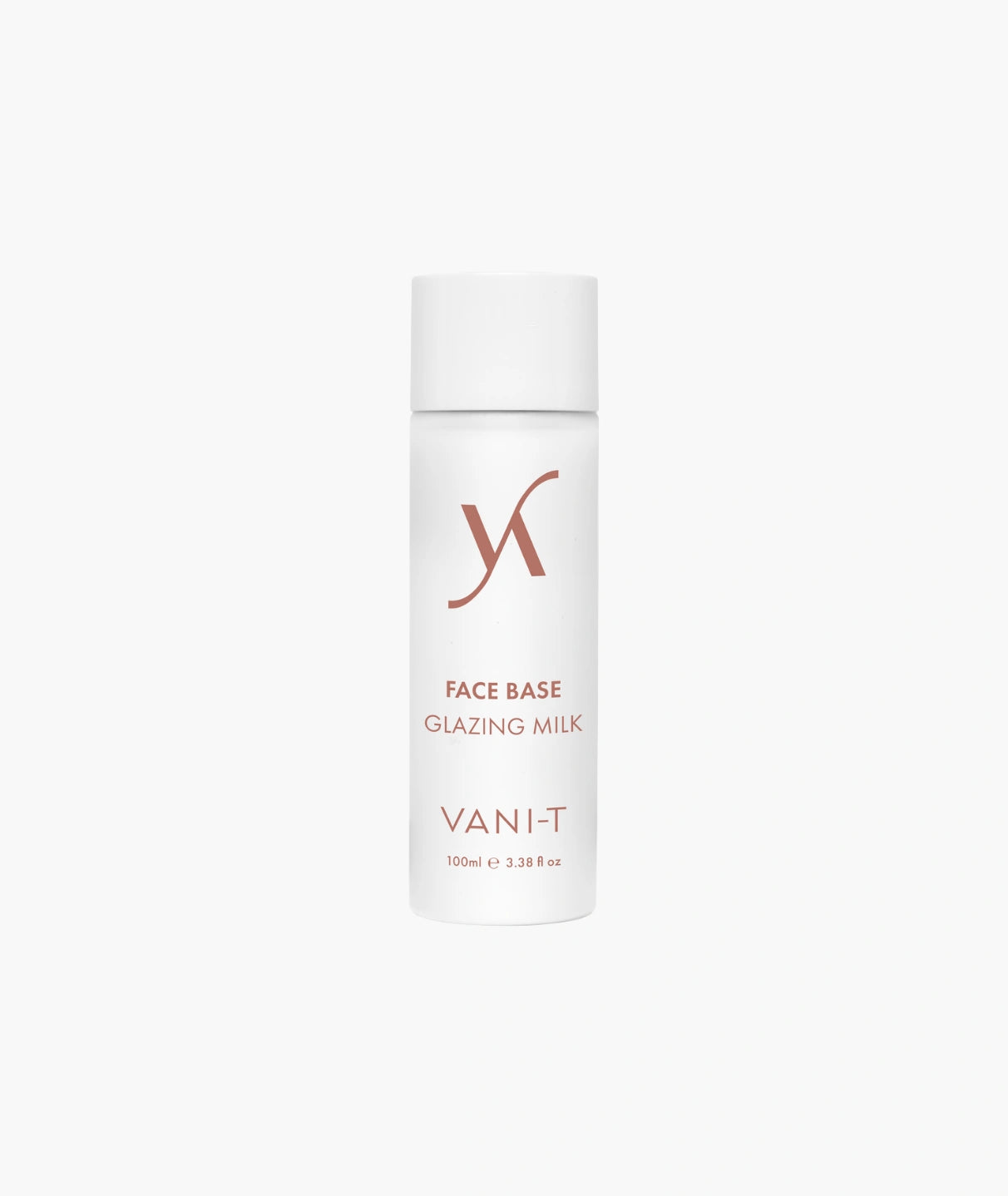
If you prefer an even lighter, all-in-one prep, the VANI-T Face Base Glazing Milk ($52.95) is a hydrate-and-prime hybrid with hyaluronic acid, niacinamide and ceramides that leaves a smooth, glazed-looking finish. Some women use it alone; on very dry skin, use it under the Bio-Active Primer.
How to apply primer so foundation doesn't crease
Most primer complaints are application, not product. Here is the method that works.
- Prep first. Cleanse, mist, hydrating serum, moisturiser. Let it absorb for two to three minutes. Primer is not a substitute for hydration underneath; it is the finishing layer over it. Our skin prep guide has the full routine.
- One pump only. Too much primer makes foundation slip and slide, which is a different problem from creasing but looks just as bad.
- Press from the centre outward. Warm it between your fingers, then press and smooth from the nose and cheeks out toward the hairline. Press it in around the eyes, forehead lines and smile lines rather than rubbing.
- Wait one minute. Let it settle so foundation goes on over a set surface, not a wet one.
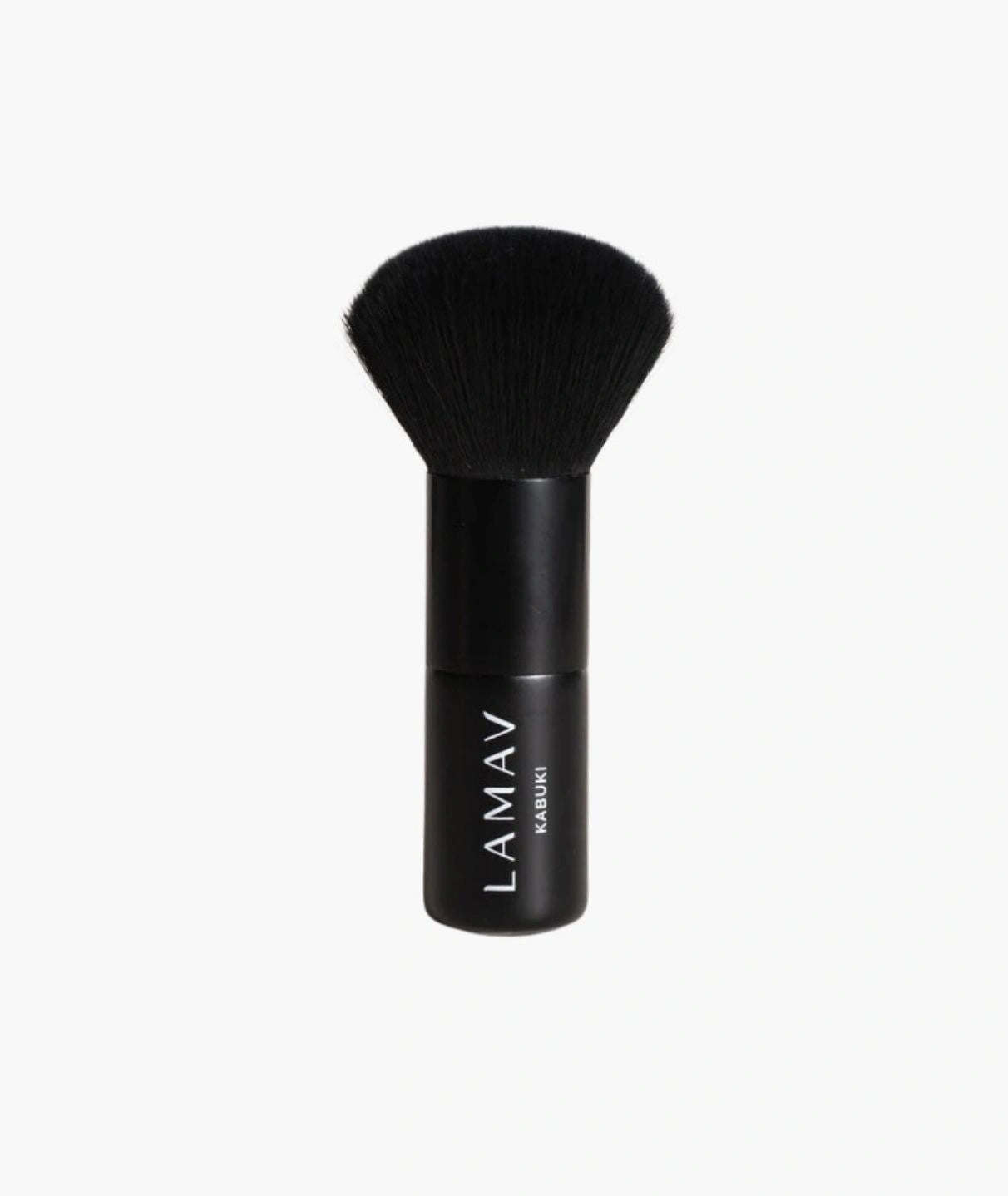
- Then foundation, thinly. Buff it in with a dense brush such as the LAMAV Vegan Kabuki Brush ($34), in small circles, using half of what you normally would.
When you'd still want a silicone primer
Honesty matters more than a sale. If your skin is oily through the T-zone, if your pores are the thing you notice most, or if you need makeup to last through a wedding or a photoshoot, a silicone blurring primer has a real place. VAMS Beauty does not currently stock one, because our brands are formulated around skin comfort and long wear rather than film-forming silicones. Many women with combination skin do both: a hydrating primer over the whole face, then a pea of silicone primer pressed only onto the oily, pore-visible zones. That gives you the smooth base without the flat, dry look elsewhere.
Primer FAQs
Which primers work best to stop foundation from creasing?
For mature, dry or combination skin, a hydrating primer with hyaluronic acid and light plant oils works best, because it smooths the dry surface texture that makes foundation grab. For oily skin, a silicone blurring primer works best. The LAMAV Organic Bio-Active Primer ($49) is our hydrating pick for Australian skin.
What is the best makeup primer for mature skin to prevent foundation lines?
A hydrating, non-comedogenic primer. Mature skin makes less oil and holds less moisture, so a primer that adds hydration and a smooth slip helps foundation sit on top of lines rather than in them. Look for hyaluronic acid, glycerin, light plant oils and a non-drying formula.
Are blurring primers effective for preventing foundation creasing?
Silicone blurring primers create a smooth film over texture, so foundation glides and can look less settled, especially on oily skin. On dry or mature skin they can look flat and shift as the day goes on, so a hydrating primer is usually the more comfortable choice. Some people layer both, silicone only on oily zones.
Is there a primer that fills in wrinkles?
No primer fills wrinkles. Silicone primers temporarily smooth the look of texture so lines catch less light, and hydrating primers make skin look plumper and smoother. Both make lines less noticeable under foundation; neither changes the skin itself.
Do I put primer on before or after moisturiser?
After. Skincare goes on first, from thinnest to thickest, and primer is the final layer before foundation. Let your moisturiser absorb for two to three minutes, then apply one pump of primer and wait a minute before foundation.
Can I use a hydrating primer without foundation?
Yes. On no-makeup days the LAMAV Organic Bio-Active Primer works as a lightweight, dewy-looking final step over your moisturiser. Follow with mineral sunscreen by day.
SHOP THE ROUTINE
The smooth-base edit
Explore more: LAMAV · Mineral Makeup · Makeup Brushes · Moisturisers
Read more on The VAMS Edit: Foundation settling into fine lines? Why it happens and how to stop it · Skin prep before foundation: the routine that stops makeup settling
BE PART OF SOMETHING BEAUTIFUL
Join the VAMS Beauty community for giveaways, new-brand arrivals and every new edit first. Australian clean beauty, chosen by women who actually use it.
Subscribe at vamsbeauty.com


