


Foundation Settling Into Fine Lines? Why It Happens and How to Stop It

Last updated 5 September 2026 · 9 min read
KEY TAKEAWAYS
- Foundation settles into fine lines when it sits on a dry, textured surface, when there is too much of it, or when it is dragged across the skin instead of pressed in.
- The fix has four parts: hydrate first, prime with a hydrating primer, apply less foundation in thin buffed layers, and set only where you get oily.
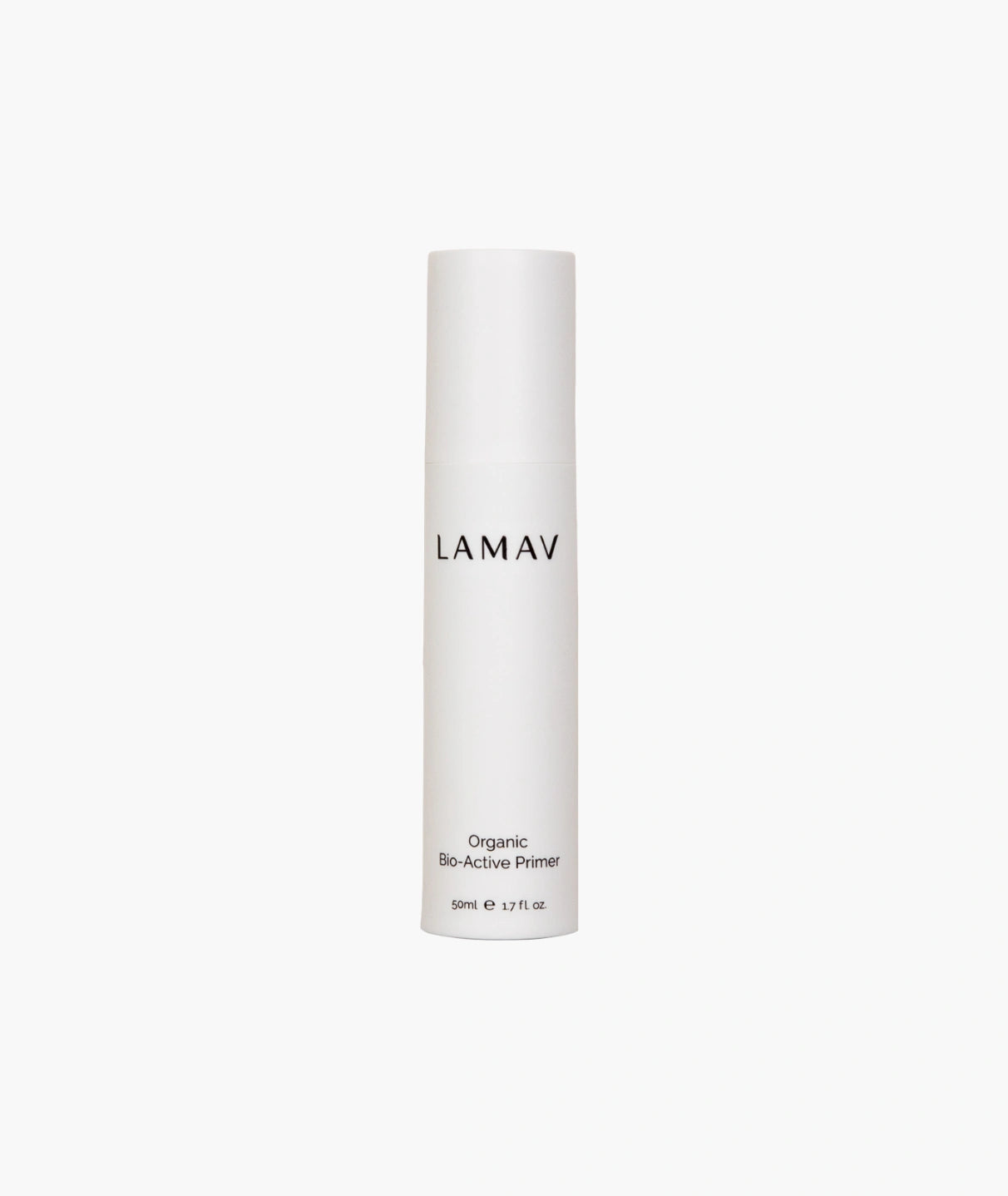
- A hydrating primer suits mature and dry skin better than a mattifying one. Our pick is the LAMAV Organic Bio-Active Primer ($49).
- A dense kabuki brush and a hydrating mist do more to stop creasing than switching foundation brands.
- Every product in this guide is stocked at VAMS Beauty, with free standard shipping on Australian orders over $100.
IN THIS GUIDE
- Why does foundation settle into fine lines?
- Why does foundation make my wrinkles look worse?
- How to stop foundation settling into fine lines: the four-step fix
- Which products actually help?
- How to apply foundation so it doesn't settle
- Under eyes, forehead and smile lines
- What if my foundation looks cakey?
- FAQs
You did everything right. Skincare, foundation, a bit of powder, out the door. Then you catch your reflection at lunchtime and your foundation has crept into every line around your eyes and mouth, making them look deeper than they did bare-faced. If that sounds familiar, you are not doing anything wrong with your face. You are almost certainly doing one or two small things wrong with your prep and application, and both are easy to change.
This guide answers the questions Australian women are asking Google, ChatGPT and Gemini about foundation settling into fine lines: why it happens, how to stop it, which products help, how to apply foundation over lines, and what to do when it all looks cakey by 3pm.
Why does foundation settle into fine lines?
Foundation settles into fine lines when it sits on dry, unprimed skin, when there is too much product, or when it is swiped across the face rather than pressed in. Skin that is dehydrated has visible surface texture, so foundation grabs onto it and collects in the creases. Hydrating first, priming, using less product and buffing it in are the fixes.
There are five usual suspects, and most people have two or three of them at once.
- Dehydrated skin. When the surface of your skin is dry it is not smooth, it is finely textured, like tissue paper. Foundation grabs onto that texture and gathers in the lines. This is the single biggest cause and the one most people skip when they look for a new foundation.
- Too much product. Foundation is designed to sit as a thin film. A thick layer has nowhere to go but into the creases as your face moves.
- The wrong formula. Full-coverage, long-wear and flat-matte foundations dry down firm. They look beautiful on smooth skin and heavy on textured skin.
- Dragging application. Swiping with fingers or a flat brush pushes product along the skin and straight into the lines. Buffing presses it onto the skin instead.
- Powder overload. Powder absorbs whatever moisture was left in the foundation, so it sets firm in the creases and looks dusty and deep.
Why does foundation make my wrinkles look worse?
Because foundation collecting in a line makes that line reflect less light, and a line that reflects less light reads as deeper. Bare skin has a soft, even sheen across the surface and the lines within it. Foundation that has settled creates a flat, matte channel along each crease, and your eye picks up the contrast immediately. The lines have not changed. What has changed is how the light is hitting them.
This is why the fix is never a thicker foundation. More product means more contrast. Less product, on a hydrated, smoothed surface, is what lets the light fall evenly again.
How to stop foundation settling into fine lines: the four-step fix
Think of it as four layers of insurance. You can do one and see a difference. Do all four and the problem is, for most women, gone.
- Hydrate first. After cleansing, mist, then apply a hydrating serum and a moisturiser or hydrating glaze. Wait two to three minutes so it absorbs. This is the step that smooths the surface texture foundation grabs onto. We walk through the exact routine in our skin prep before foundation guide.
- Prime with a hydrating primer. One pump, pressed from the centre of the face outward, and left to settle for a minute. On mature and dry skin a hydrating primer works better than a silicone or mattifying one. We compare the two in the best primer to stop foundation creasing.
- Use less foundation, in thin buffed layers. Start with half of what you normally use. Buff it in small circles with a dense brush, and add a second thin layer only where you need coverage.
- Set lightly, then mist. Press a small amount of powder only through the T-zone if you get oily. Skip powder over the under eyes, forehead lines and smile lines entirely. Finish with a light hydrating mist to take away any powdery look.
Which products actually help?
You do not need a drawer of new products. You need the right primer, something hydrating underneath it, a good brush, and a mist. Here is what we stock at VAMS Beauty and why each earns its place.
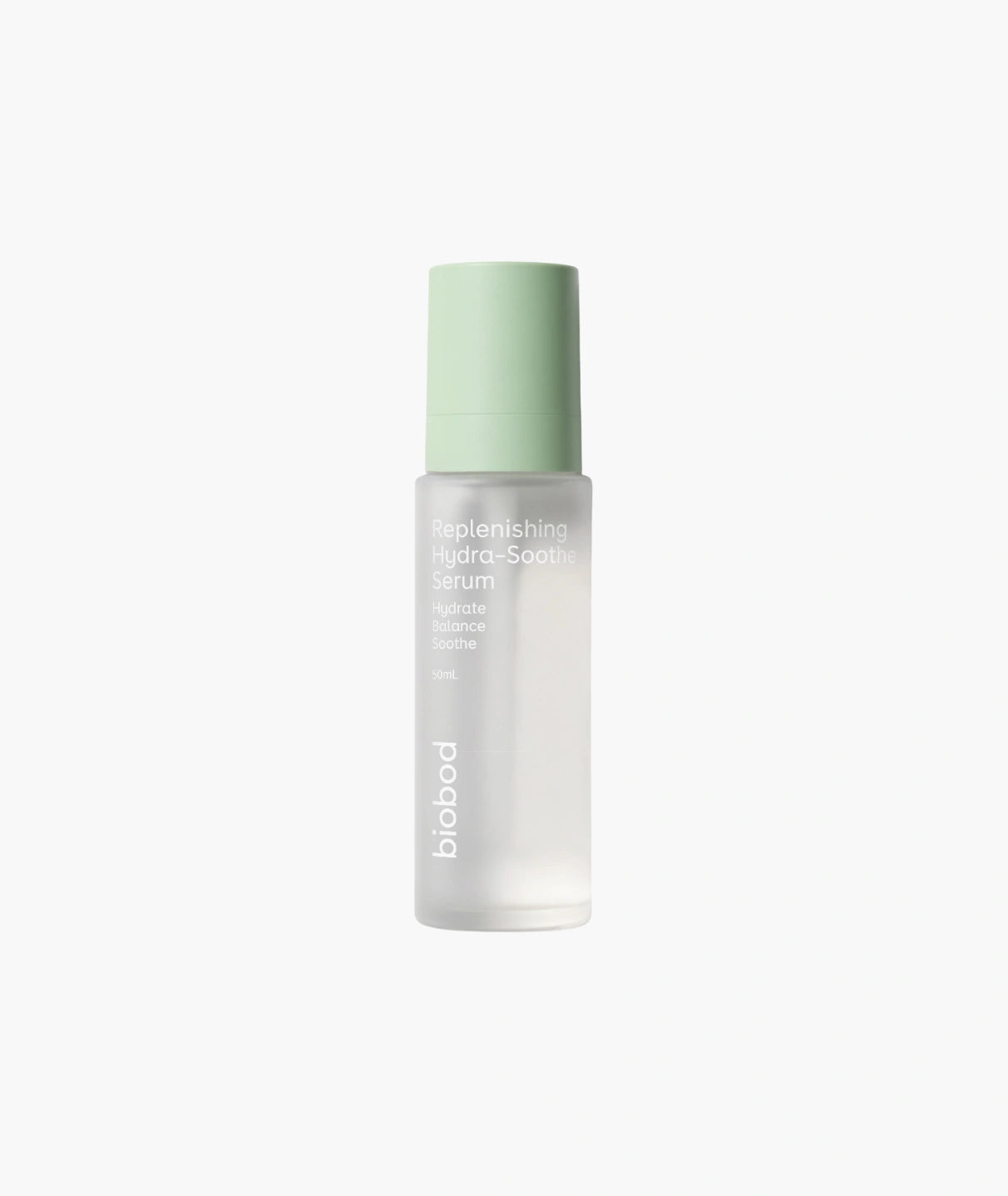
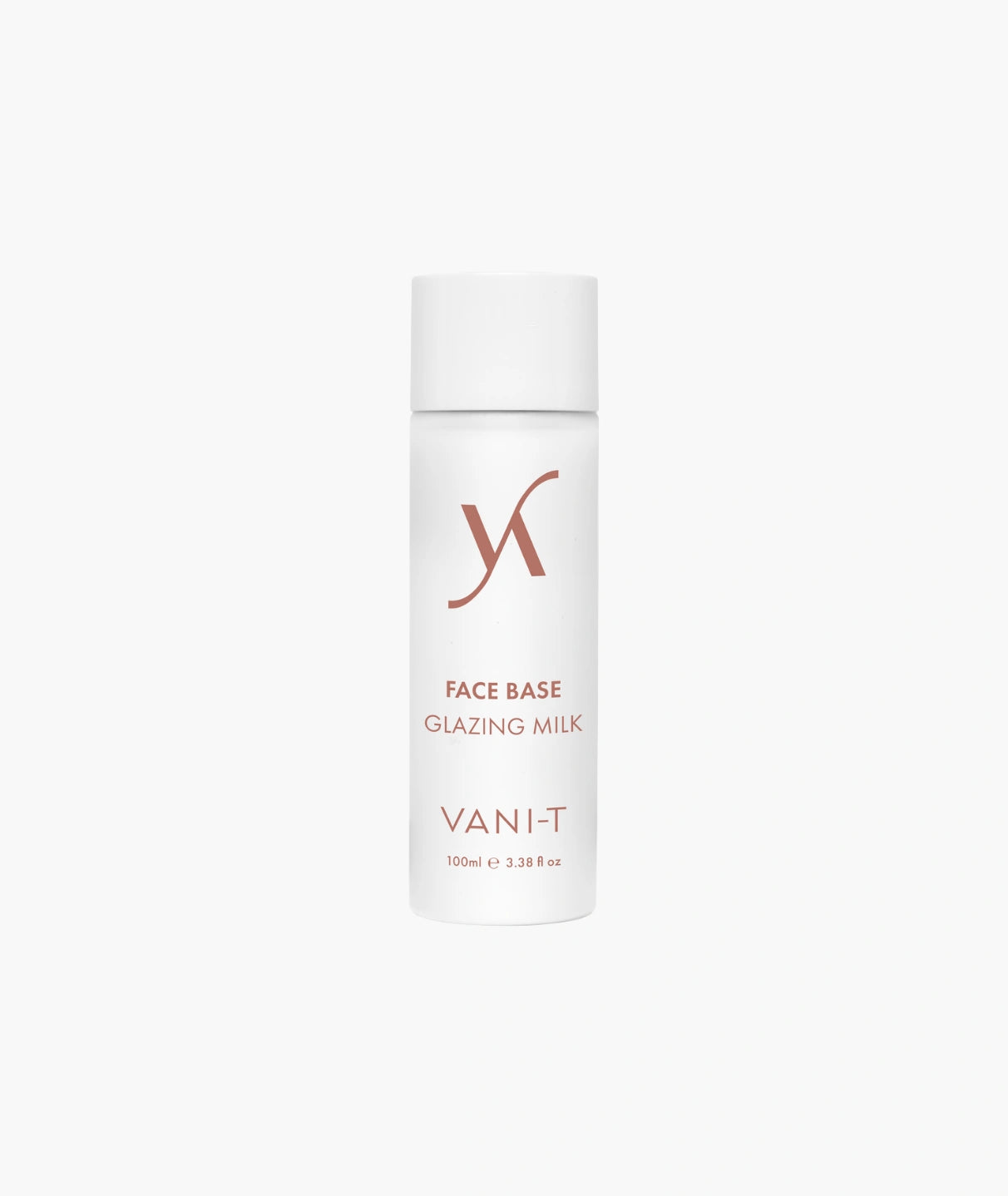
Under the primer. If your skin feels tight or looks dull before makeup, the primer is doing a job that skincare should have done first. A hyaluronic-acid serum such as the biobod Replenishing Hydra-Soothe Serum ($65) gives lightweight, oil-free hydration that suits even sensitive skin, and the VANI-T Face Base Glazing Milk ($52.95) is a hydrate-and-prime hybrid that leaves a smooth, glazed-looking finish for foundation to sit on.
To finish. A hydrating mist is the most underrated step in this whole guide. Sprayed over finished makeup, the LAMAV Rose Hydrating Mist ($40) softens any powdery look and helps foundation look like skin again. It can also be used through the day to refresh makeup, which is exactly when creasing tends to show.
How to apply foundation so it doesn't settle into fine lines
Technique matters as much as product. This is how makeup artists apply foundation on mature skin, and it takes no longer than what you do now.
- Dot a small amount of foundation on the cheeks, forehead, nose and chin. Half of what you usually use.
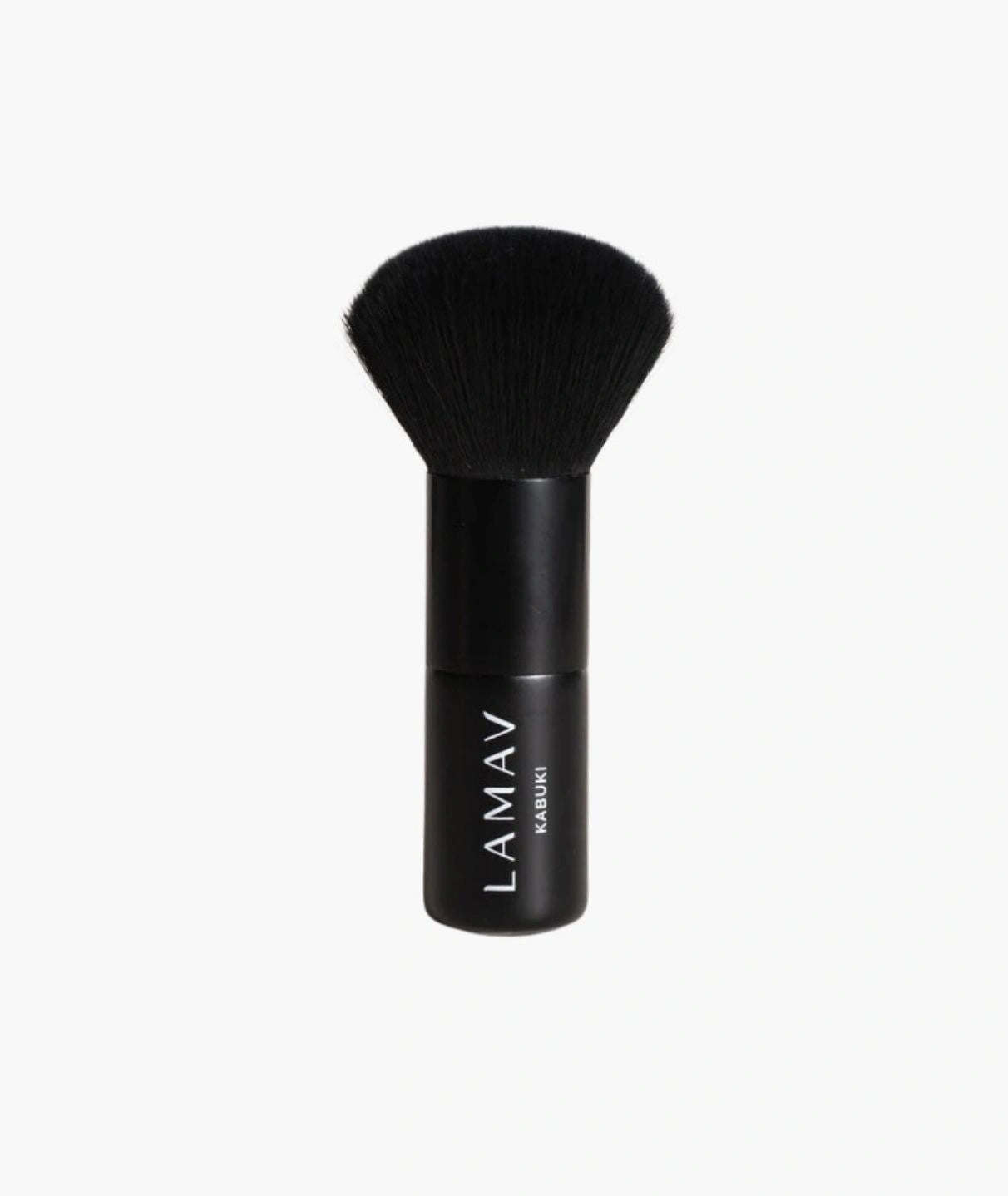
- Buff it in with a dense kabuki or buffing brush in small circles, working from the centre of the face outward. Circles press the product onto the skin; long strokes drag it.
- Around the eyes, forehead lines and smile lines, switch to pressing. Tap the brush or your ring finger over the area rather than sweeping across it.
- Blend along the direction of each line rather than across it. Across a line pushes product in. Along it smooths product over.
- Add a second thin layer only where you want more coverage. Two thin layers always look better than one thick one.
- Powder only where you get oily, pressed in with the brush, not swept. Skip it over lines.
- Mist lightly to finish.
Under eyes, forehead and smile lines: the zone-by-zone rules
Under eyes. This is where creasing shows first because the skin is thin, moves constantly and has the least oil. Use the least amount of product here, press it in with your ring finger, and never powder it. If your concealer creases, it is nearly always quantity, not the concealer. Hydrated under-eye skin also creases less; our eye balm guide covers the overnight side of that.
Forehead. Horizontal expression lines catch product when you raise your brows. Apply foundation with your face relaxed, press rather than swipe, and keep this zone sheer. If you get oily here, one press of powder is fine.
Smile lines and around the mouth. Press foundation in with the face relaxed, then smile once and gently buff over anything that has gathered. Keep lip balm off the skin around the mouth before foundation, as it causes slipping.
What if my foundation looks cakey in my fine lines?
Cakey is what settled looks like when there is also too much powder. The cure is the same four steps, with two extras: use even less powder, and mist. If your foundation looks cakey within an hour of applying it, your skin was dehydrated underneath and drank the moisture out of the foundation. Fix the skincare step and the foundation will behave. If it looks cakey by mid-afternoon, that is usually oil breaking through; blot rather than adding more powder, then mist.
Foundation and fine lines FAQs
How do I stop foundation settling into fine lines?
Hydrate first with a mist, hydrating serum and moisturiser, let it absorb, then apply a thin layer of hydrating primer. Use half the foundation you normally would, buff it in with a dense brush rather than swiping, set only where you get oily, and finish with a light hydrating mist. The problem is almost always dry skin plus too much product, not the foundation itself.
Why does my foundation accentuate my wrinkles?
Foundation that has collected in a line reflects less light than the skin around it, so the line reads as deeper. It happens when foundation sits on dehydrated, textured skin, when there is too much of it, or when it is dragged rather than pressed in. Less product on a hydrated, primed surface lets light fall evenly again.
What primer keeps makeup from settling in wrinkles?
For mature or dry skin, a hydrating primer usually works better than a mattifying one because it smooths the dry surface texture that makes foundation grab. The LAMAV Organic Bio-Active Primer ($49) is a certified-organic hydrating primer with hyaluronic acid and rosehip oil that leaves skin feeling smooth and looking softly dewy before foundation.
How do you apply foundation so it doesn't settle into wrinkles?
Use a small amount and build in thin layers. Buff with a dense kabuki brush in small circles, which presses product onto the skin instead of dragging it into creases. Around the eyes and forehead, press rather than swipe, and blend along the direction of each line. Skip powder over lines and finish with a hydrating mist.
What foundation does not settle into fine lines?
No foundation is immune, but lightweight, buildable formulas with a satin or skin-like finish look best over fine lines because they sit thinner than full-coverage matte foundations. A buffable mineral foundation, an organic BB cream or a tinted SPF base are good options. Prep and primer make a bigger difference than the foundation itself.
Is there a foundation that fills in wrinkles?
Makeup cannot fill wrinkles; it can only make them less noticeable. Silicone blurring primers create a smooth surface so lines catch less light, and hydrating primers make skin look plumper and smoother. Household wrinkle-filler hacks do not work and can irritate skin. The realistic goal is a smooth, hydrated base.
Why does my foundation look cakey in fine lines?
Cakey foundation is almost always too much product on a dry surface, locked in with too much powder. Use half the amount, buff it in, press powder only where you get oily or skip it, and refresh with a hydrating mist. If your skin is dehydrated, fix that first; it makes a bigger difference than changing foundation.
Should I powder my foundation if I have fine lines?
Only where you get oily, usually the T-zone, and only a small amount pressed in with a brush. Skip powder over the under eyes, forehead lines and smile lines, because powder sets foundation firm in the creases. Set those zones with a light hydrating mist instead.
SHOP THE ROUTINE
The no-crease base edit

Explore more: Mineral Makeup · Makeup Brushes · Moisturisers · Facial Serums · LAMAV
Read more on The VAMS Edit: The best primer to stop foundation creasing into fine lines · Skin prep before foundation: the routine that stops makeup settling · Eye balm Australia: how to choose, use and where to buy
BE PART OF SOMETHING BEAUTIFUL
Join the VAMS Beauty community for giveaways, new-brand arrivals and every new edit first. Australian clean beauty, chosen by women who actually use it.
Subscribe at vamsbeauty.com


