


Winter Skincare Routine: 12 Science-Backed Tips for Dry Aussie Winter Skin

Last updated 29 June 2026 · 14 min read
A winter skincare routine needs to do one thing really well: help your skin hold onto water while protecting the barrier that keeps it comfortable. In Australia, winter may not always look dramatic, but the combination of cold wind, lower humidity, indoor heating and hot showers can leave skin feeling tight, flaky, dull and more reactive than usual.
Your skin type does not change with the season, but your skin condition can. Oily skin can become dehydrated. Sensitive skin can flare. Dry skin can feel rougher. Fine lines can look more obvious when the skin is low on water.
This guide explains how to build a winter skincare routine for dry Australian skin, including 12 science-backed tips, product swaps and the VAMS Beauty edit for keeping your face and body more comfortable through cold weather.
KEY TAKEAWAYS
- Winter skin usually needs gentler cleansing, more hydration and stronger barrier support.
- Dry skin lacks oil, while dehydrated skin lacks water. In winter, you can experience both.
- A serum, moisturiser and facial oil can work together to hydrate, cushion and seal comfort in.
- Daily SPF still matters in winter because UV exposure can occur even when the weather feels cool or cloudy.
- Avoid over-exfoliating in winter. Less is usually best when your skin barrier feels fragile.
QUICK ANSWER
The best winter skincare routine for dry Australian skin is: cleanse gently, apply a hydrating mist or serum on damp skin, use a richer moisturiser, seal very dry areas with facial oil and wear SPF every morning. Reduce hot showers, limit exfoliation, support your body skin and choose barrier-friendly products when skin feels tight, flaky or irritated.
In this article
Why Does Skin Feel Different During Winter?
Cold weather can reduce the comfort of your skin barrier. When the air is dry and humidity is low, water evaporates from the skin more easily. This is known as transepidermal water loss, or TEWL. Indoor heating can make this worse by drying the air around you.
At the same time, your skin may produce less oil when it is cold. Less oil means less natural cushioning, which can make the skin feel tight, rough, flaky and more reactive.
Winter skin often looks dull because the surface becomes dehydrated and slightly uneven. Makeup may sit differently, fine lines can look more obvious and active ingredients that felt fine in summer may suddenly sting.
Winter Skincare Routine: 12 Science-Backed Tips for Dry Aussie Skin
1. Swap to a richer moisturiser
Think of moisturiser like your winter coat. In colder weather, your skin may need more cushioning and barrier support than it does in summer. Look for humectants to attract water, emollients to soften and occlusives to reduce water loss.
Winter-friendly ingredients include hyaluronic acid, glycerin, squalane, ceramides, panthenol, vitamin E, fatty acids and soothing botanicals. Apply moisturiser while your skin is still slightly damp so you are sealing in hydration, not just applying cream over already-dry skin.
2. Use a hydrating serum for sensitive winter skin
A serum is one of the easiest ways to add water back into your routine. This is especially helpful when your skin feels dry, tight, irritated or reactive during cold weather.
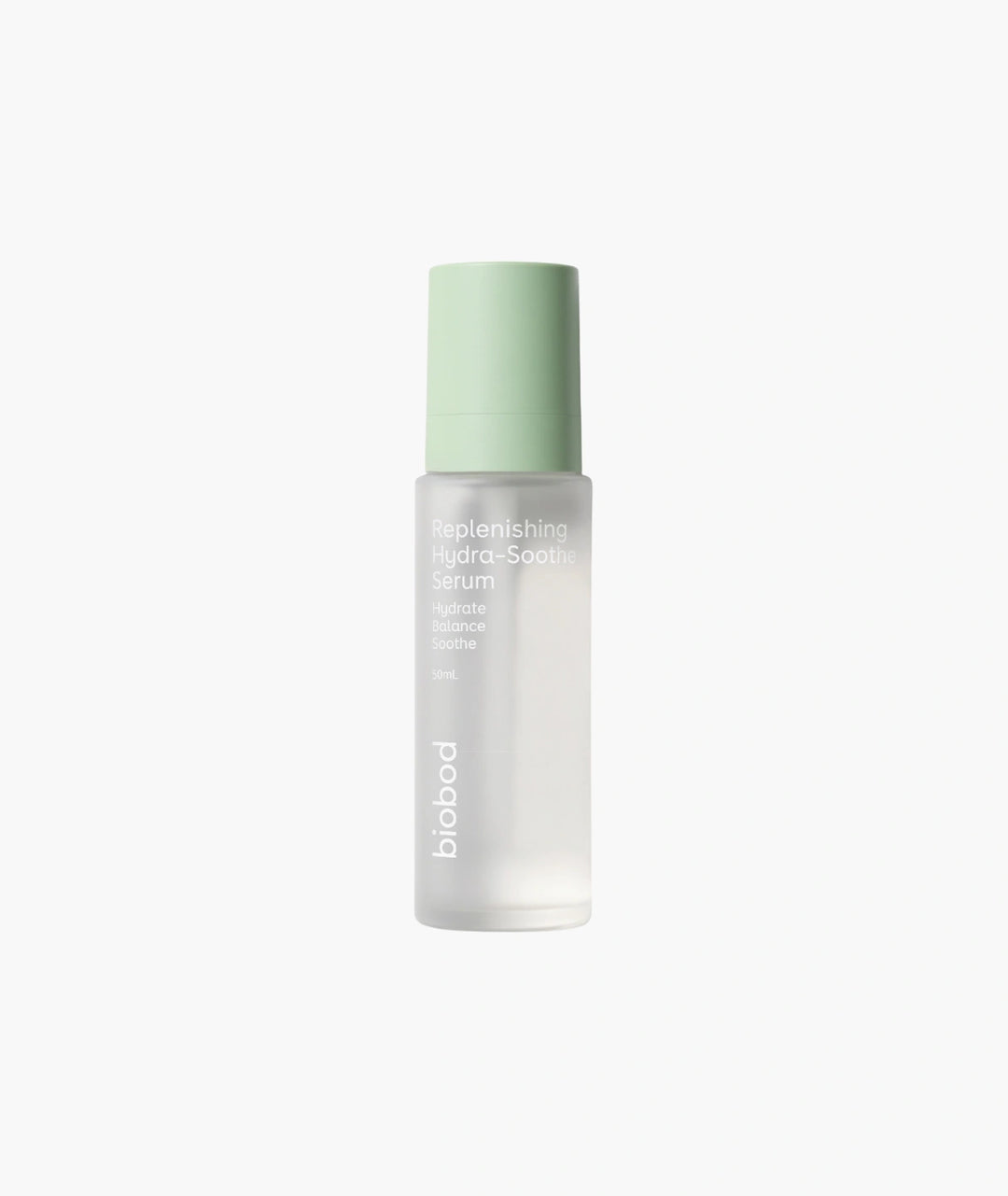
Replenishing Hydra-Soothe Serum is the VAMS Beauty pick for sensitive skin that gets dry and irritated in winter because it is lightweight, oil-free, fragrance-free and designed for reactive skin. Apply it to damp skin before moisturiser and oil.
3. Switch to a hydrating cleanser
Your cleanser should leave your skin feeling soft and comfortable, not squeaky. If your face feels tight after cleansing, your cleanser may be too stripping for winter.
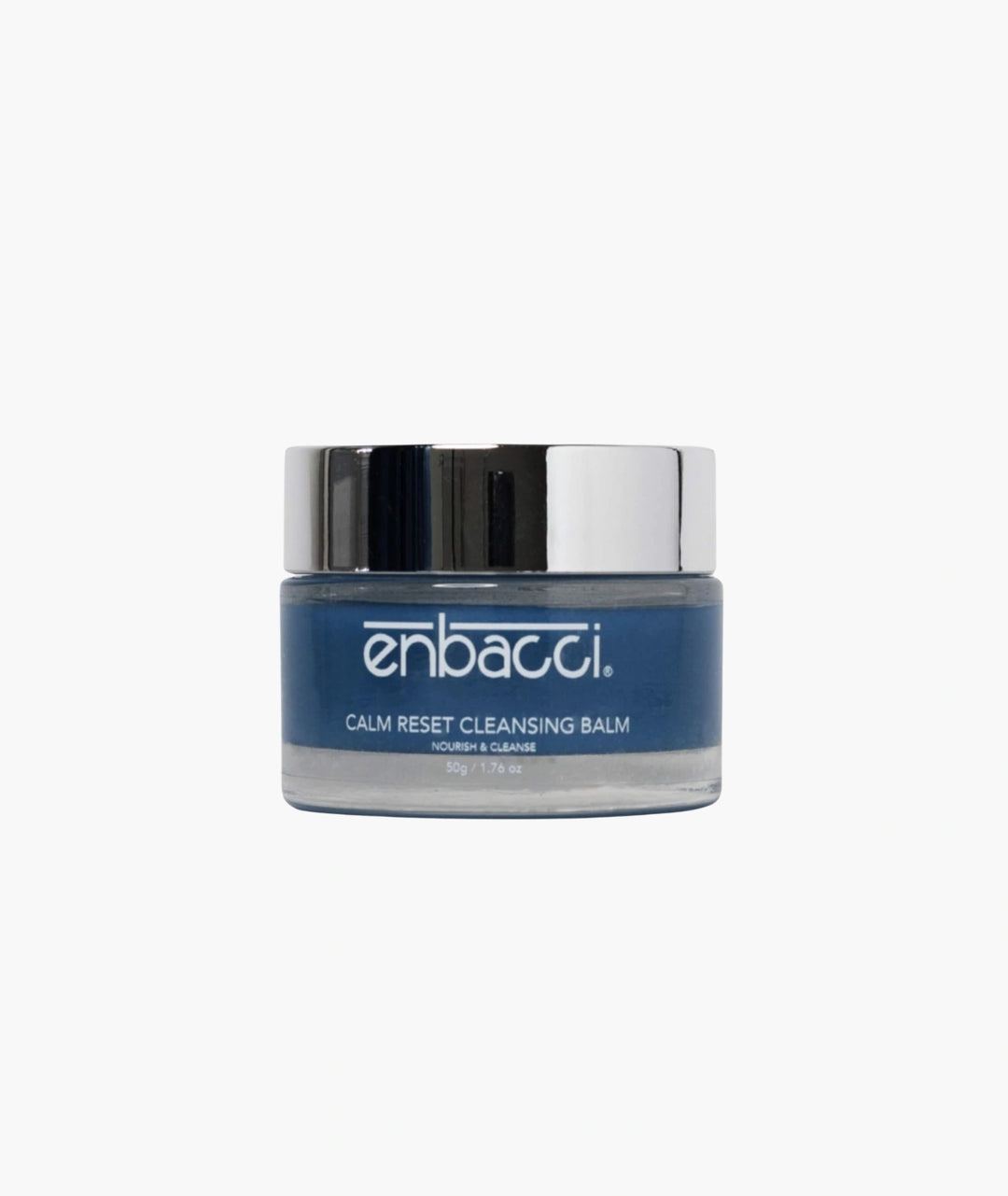
Balm cleansers are especially helpful when you wear sunscreen and makeup because they dissolve daily build-up while keeping the first cleanse cushioned. For sensitive winter skin, Calm Reset Cleansing Balm is a stronger fit than harsher foaming cleansers.
4. Layer hydration before cream
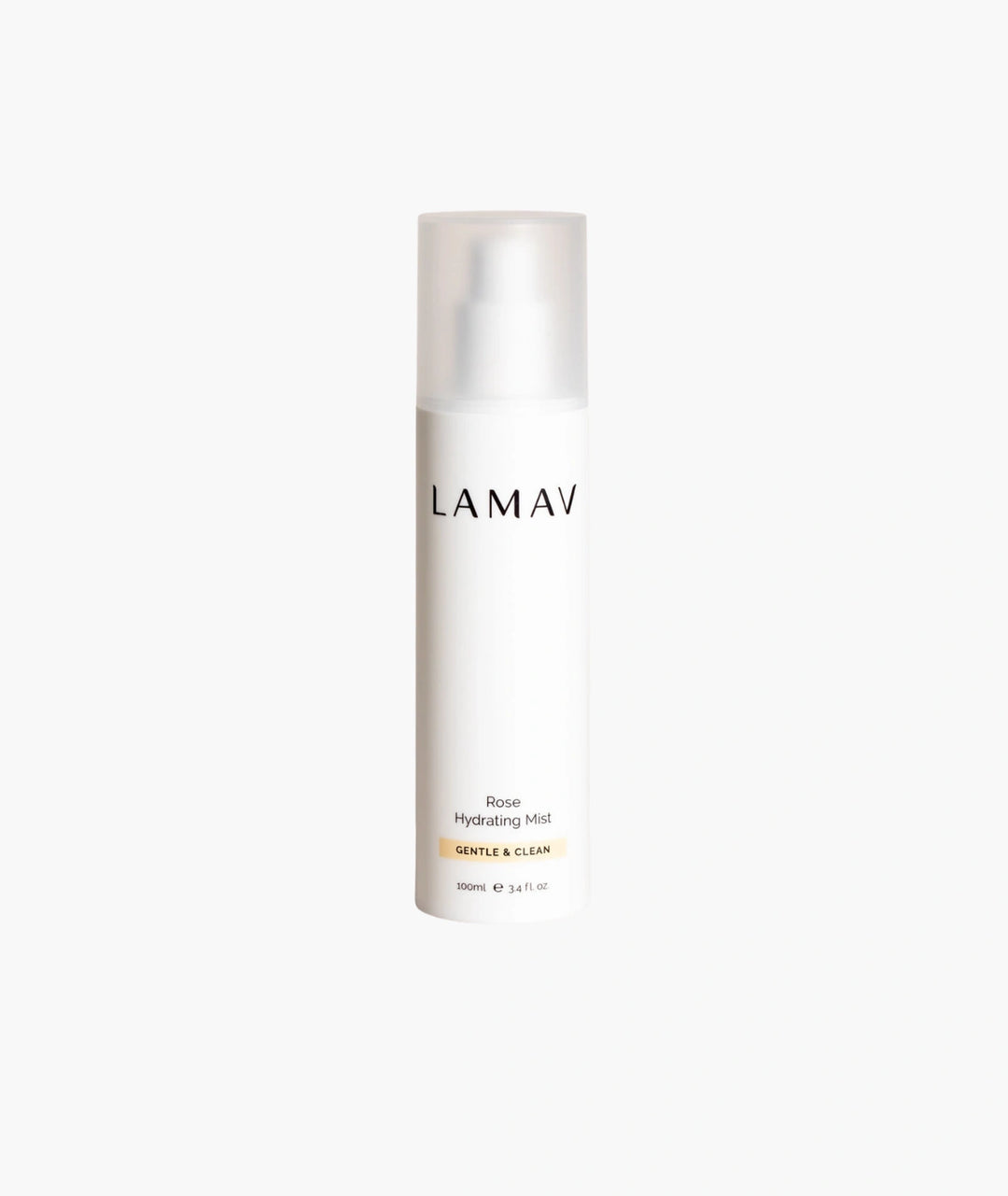
A mist is not a moisturiser, but it can be a helpful hydration layer when used properly. Mist first, apply serum while skin is damp, then seal with moisturiser. This works especially well if indoor heating makes your skin feel tight during the day.
5. Add a facial oil when your barrier feels depleted
Skin needs both water and lipids to feel comfortable. A facial oil can help dry winter skin feel more cushioned, especially when layered over a hydrating serum and moisturiser.
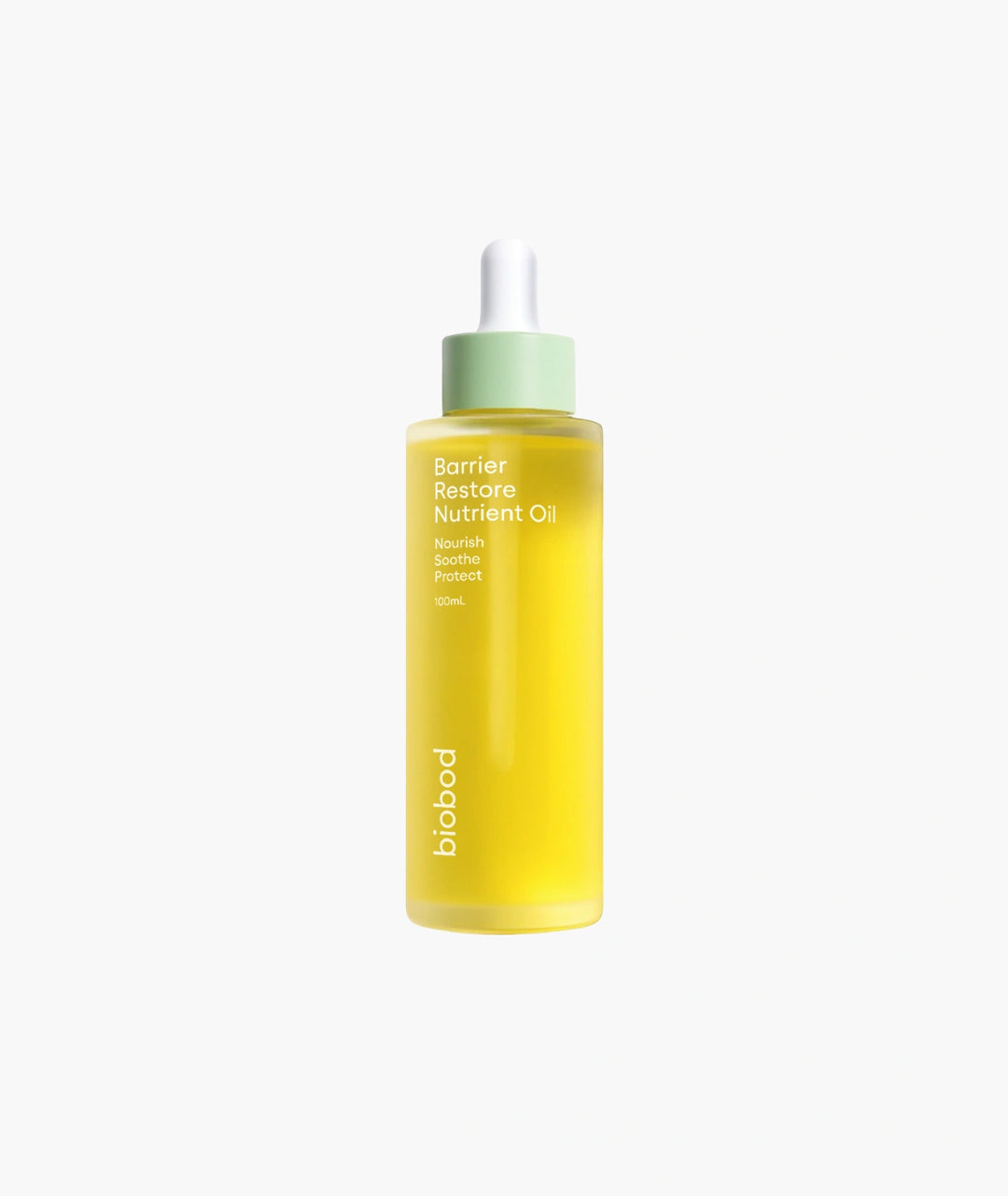
For winter, Barrier Restore Nutrient Oil is the VAMS Beauty pick because it is designed for dry, sensitive and reactive skin. Use a few drops as your final step at night or over moisturiser on especially dry areas.
6. Do not over-exfoliate
Without exfoliation, skin can look dull. But in winter, over-exfoliation is one of the fastest ways to make your skin feel worse. If your skin is tight, flaky, stinging or red, pause strong acids, scrubs and retinoids until the barrier feels calm.
If you exfoliate, keep it gentle and infrequent. One to three times per week is enough for many skin types, and sensitive skin may need less.
7. Keep actives low and slow
Winter can be a good time to work on pigmentation, uneven tone and texture because you may have less incidental sun exposure than in summer. However, retinoids, vitamin C and exfoliating acids can all become harder to tolerate when your barrier is dry.
Introduce actives slowly, avoid stacking too many at once and prioritise moisturiser and SPF. If you are pregnant, breastfeeding or managing a skin condition, check with your GP, dermatologist or skin professional before using retinoids or stronger actives.
8. Wear sunscreen every day, even in winter
Cool weather does not mean UV disappears. In Australia, sun protection is still important in winter, especially when UV levels reach 3 or above. UVA can contribute to visible ageing, pigmentation and long-term skin damage.
Use a broad-spectrum sunscreen as your final morning skincare step and reapply as directed when outdoors.
9. Protect your lips and cheeks
Lips and cheeks often feel drier in winter because they are exposed to wind, cold and indoor heating. A multitasking SPF lip and cheek product can help add colour, comfort and extra protection support while still keeping your routine simple.
10. Limit hot showers
Hot water feels beautiful in winter, but it can make dry skin worse by stripping natural oils and increasing barrier stress. Choose warm water instead of hot water and moisturise straight after showering.
11. Use a humidifier or add moisture back into your space
Indoor heating can dry the air, which may increase water loss from the skin. A humidifier can help add moisture back into the room, especially overnight.
12. Do not forget body care
Your body skin can become just as dry as your face. Use a gentle exfoliating mitt when needed, avoid harsh scrubs on irritated skin and apply body oil or lotion while skin is still damp.
Morning and Night Winter Skincare Routine
Morning winter skincare routine
- Cleanse gently or rinse with lukewarm water.
- Mist with Rose Hydrating Mist if your skin feels tight.
- Apply Replenishing Hydra-Soothe Serum to damp skin.
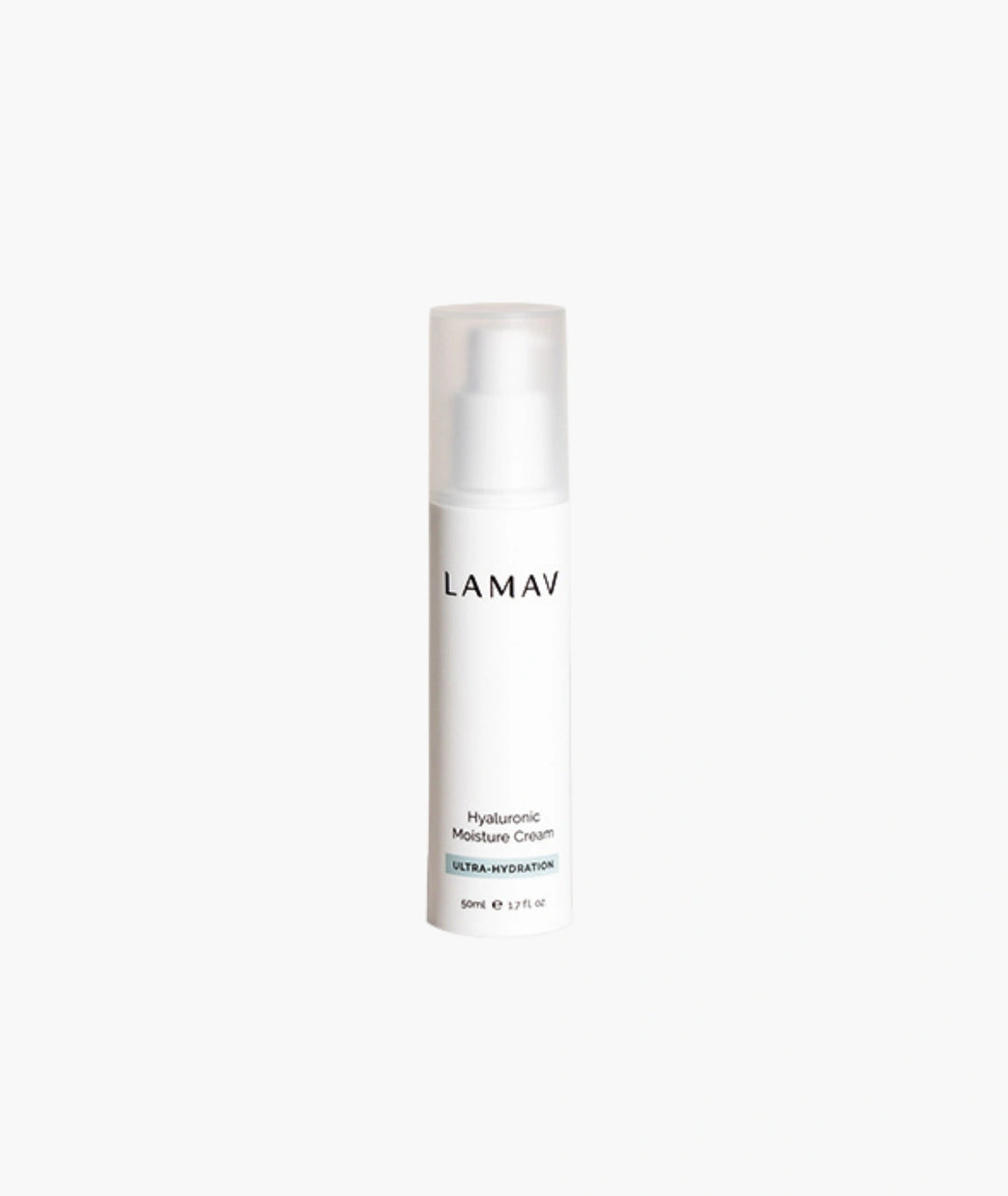
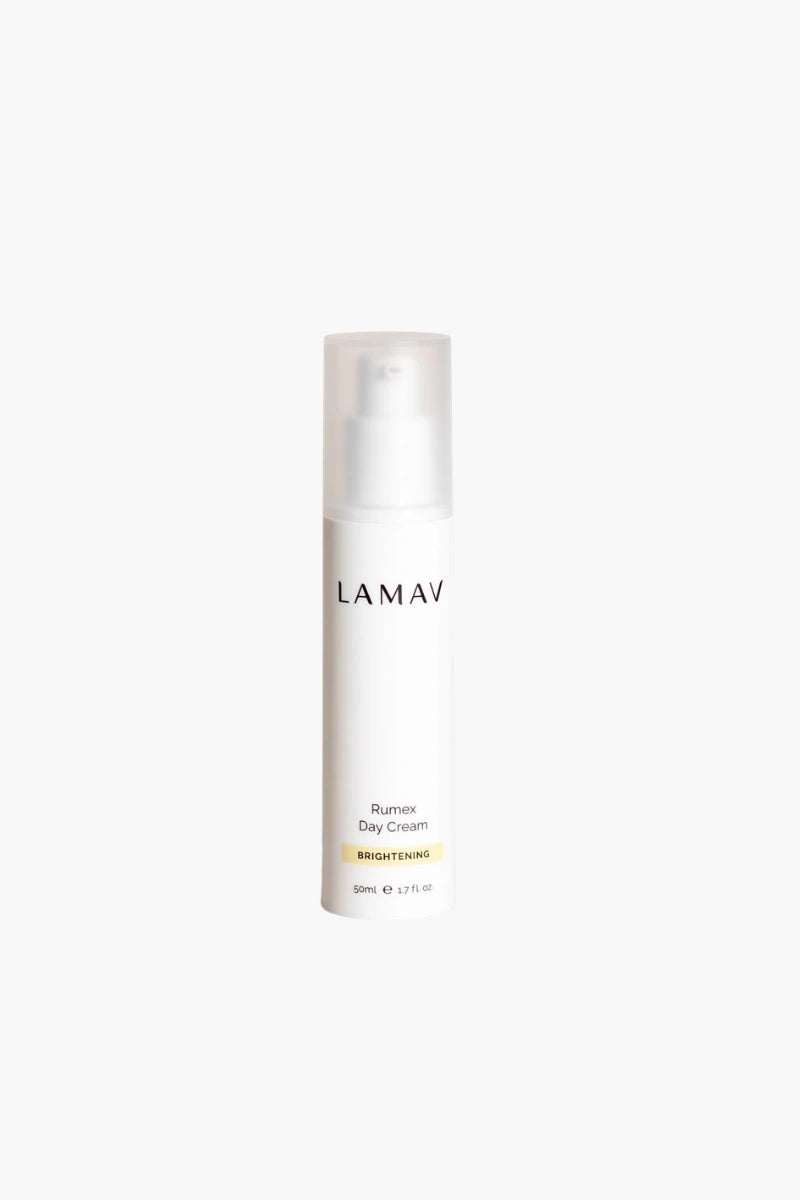
- Use Hyaluronic Moisture Cream or Rumex Day Cream.
- Apply SPF 50 as your final skincare step.
- Add SPF 50 Natural Cheek & Lip Tint if you want colour and lip protection support.
Night winter skincare routine
- Cleanse with Calm Reset Cleansing Balm to remove sunscreen and makeup.
- Apply hydrating serum on damp skin.
- Use a richer moisturiser.
- Seal with Barrier Restore Nutrient Oil if your skin feels dry or depleted.
- Keep active treatments gentle and spaced out.
MYTH VS FACT
Myth: You only need sunscreen in summer.
Fact: UV exposure can still affect skin in winter. In Australia, use sun protection when UV levels are 3 or above and follow sunscreen directions.
The VAMS Beauty Winter Skincare Edit
These are the updated winter skincare products to feature in this article, with discontinued or less relevant recommendations removed.


Common Winter Skincare Mistakes
Using the same cleanser you used in summer
If your skin feels tight after washing, swap to a gentler cleanser or cleansing balm.
Applying moisturiser to fully dry skin
Apply moisturiser while skin is still slightly damp, ideally after mist or serum.
Skipping serum because you use moisturiser
Serums and moisturisers do different jobs. A hydrating serum adds water, while moisturiser helps hold it in.
Overusing acids and retinoids
Actives are helpful when tolerated, but winter barrier stress can make them sting. Reduce frequency if skin feels irritated.
Forgetting body skin
Dry legs, arms and elbows need care too. Exfoliate gently and moisturise after showering.
Frequently Asked Questions
What is the best winter skincare routine for dry skin?
The best winter skincare routine for dry skin is gentle cleanse, hydrating serum, richer moisturiser, optional facial oil and daily SPF in the morning.
Why does my skin get so dry in winter?
Cold air, low humidity, indoor heating and hot showers can increase water loss and reduce skin comfort. Your skin may also produce less oil in cooler weather.
What serum is best for sensitive skin in winter?
Replenishing Hydra-Soothe Serum is a strong choice for sensitive skin that becomes dry and irritated in cold weather because it is lightweight, hydrating, oil-free, fragrance-free and designed for reactive skin.
Should I use face oil before or after moisturiser?
Most people should apply face oil after moisturiser to help seal in comfort. You can also apply a few drops to damp skin if your routine is very minimal.
Do I need sunscreen in winter in Australia?
Yes, use sunscreen when UV levels are 3 or above and follow the directions on your sunscreen. Winter weather can still expose skin to UV.
How often should I exfoliate in winter?
Most skin types only need exfoliation one to three times weekly in winter. Sensitive or irritated skin may need less.
Can hot showers make dry skin worse?
Yes. Hot water can strip natural oils and make dry or irritated skin feel worse. Use warm water and moisturise straight after showering.
What is the difference between dry and dehydrated skin?
Dry skin lacks oil, while dehydrated skin lacks water. In winter, many people experience both at once.
What should I remove from my winter skincare routine?
Remove harsh cleansers, aggressive scrubs and too many active products if your skin feels tight, red, flaky or irritated.
What helps dry winter body skin?
Use warm showers, gentle exfoliation, body lotion or oil on damp skin and avoid over-scrubbing rough patches.
Research and References
- DermNet NZ: Dry skin
- DermNet NZ: Moisturisers
- Healthdirect Australia: Dry skin
- Cancer Council Australia: Sun safety
- Peer-reviewed review: Hyaluronic acid in skin ageing and hydration
- Peer-reviewed review: Ceramides and skin barrier function
Explore more: facial cleansers, moisturisers, facial serums, facial oils, mists and toners, sunscreen and body care at VAMS Beauty.
Read more on The VAMS Edit: Best Hydrating Products for Face, Cleansing Balm Benefits, Do Cleansing Balms Clog Pores?, How Does Double Cleansing Benefit Your Skin?, Difference Between AHA and BHA Exfoliants and Body Care Routine Steps.
Want $100 worth of Australian skincare and beauty products? Subscribe anywhere on the website for your chance to win.


Leave a comment