


Is Clean Beauty Actually Better?

Last updated 2 August 2026 · 8 min read
Is clean beauty actually better? Here is my honest answer, as the founder of a shop that sells a great deal of it: sometimes yes, sometimes no, and the difference has almost nothing to do with the word “clean” on the label.
I am Ellie, and I built VAMS Beauty around brands I genuinely believe in, many of which sit comfortably under the clean beauty umbrella. So you might expect me to tell you clean beauty is always the superior choice. I am not going to, because it would not be true, and because you deserve better than marketing dressed up as advice. What I can tell you is what clean beauty is really good at, where it gets oversold, and how I decide what earns a place on our shelves.
KEY TAKEAWAYS
- Clean beauty is not automatically better or worse. Quality depends on the individual formula, not the label.
- “Clean” is not a regulated term, so it means whatever each brand decides it means.
- Where clean beauty genuinely shines is transparency, cruelty-free practices and sustainability the things you can actually verify.
- Not every clean product is necessary. A simple routine of a few things that suit you beats a shelf of clean products that do not.
- The best product for you is the one that suits your skin, your values and your life, in that order.
QUICK ANSWER
Clean beauty is not inherently better or worse than conventional beauty, because “clean” is not a regulated standard and covers an enormous range of products. A well-formulated clean product can be excellent; a poorly formulated one is still poorly formulated. Where clean beauty genuinely adds value is in ingredient transparency, cruelty-free practices and sustainability. Judge the individual product and whether it suits your skin, rather than trusting the word clean on its own.
In this article
Is Clean Beauty Actually Better?
Clean beauty is not automatically better than conventional beauty. It is not automatically worse, either. The honest truth is that “clean” describes an intention, not a quality standard — and the quality lives in the individual formula, not the label on the front.
This matters because “clean” is not a regulated word in Australia. There is no legal definition a product must meet to use it. One brand might mean fragrance-free. Another might mean certified organic. A third might just mean the packaging looks natural. All three can call themselves clean, and all three would be telling a kind of truth. So the word alone cannot tell you whether something is good. Only the formula, and how your skin responds to it, can do that.
THE THING I WISH EVERYONE KNEW
A beautifully formulated clean product and a poorly formulated clean product both get to wear the same word. “Clean” is where your questions should begin, not where they end.
What Clean Beauty Genuinely Gets Right
Here is where I become the clean beauty enthusiast you expected, because there is a great deal to love — as long as we are loving the right things.
What clean beauty gets genuinely, wonderfully right is not a promise about your skin. It is a set of values you can actually verify:
- Transparency. The best clean brands publish their full ingredient lists and explain what things are and why they are there. That openness is good for everyone, and it has quietly raised the bar across the whole industry.
- Cruelty-free practices. Many clean brands are committed to not testing on animals, and will show you their certification. That is a real, checkable ethical position.
- Sustainability. Thoughtful packaging, refillable formats, smaller batches and local manufacturing all reduce impact in ways you can see and weigh up for yourself.
- Considered formulation. A brand that has thought carefully about what to leave out has often thought just as carefully about what to put in.
Notice what these have in common: every one of them is something you can check. None of them requires you to take anything on faith. That is the version of clean beauty I built a business around.
Where Clean Beauty Gets Oversold
And here is the part a lot of shops will not say out loud.
Clean beauty gets oversold the moment the conversation shifts from values to fear. When “clean” stops meaning “transparent and considered” and starts implying “everything else is dangerous”, it has crossed from useful into misleading — and it is doing you a disservice.
- “Clean” does not mean chemical-free. Everything is chemicals. Water is a chemical. The most natural botanical extract is made of chemicals. A product cannot be free of them and still be a product.
- Natural does not mean gentle. Some of the most common causes of irritation are entirely natural. Essential oils and fragrant botanicals are lovely for many people and genuinely troublesome for others.
- A synthetic ingredient is not a villain. A carefully chosen synthetic can make a formula more stable, more gentle and more effective than a natural alternative. Being made in a lab is not a moral failing.
- Clean does not mean it will work for you. The cleanest product in the world is no use to you if it does not suit your skin.
If a brand is trying to sell you something by making you frightened of what you already own, be a little wary. Fear is a marketing tactic, not a formulation standard — and it is the opposite of what clean beauty should stand for.
What Clean Beauty Means to Me
So after all that honesty, why do I still love clean beauty? Because when it is done properly, it stands for exactly the things I care about most.
For me, clean beauty comes down to three things — and not one of them is a claim about erasing anything from your face:
Transparency
Knowing what is inside the product you use. A brand that tells you exactly what is in the bottle, and why, has earned a head start on my trust.
Cruelty-free
Beauty should never come at the expense of an animal. This one is not negotiable for me.
Sustainable practices
Packaging, sourcing and production that treat the planet with a little more care. Small choices that genuinely add up.
You will notice my definition is entirely about how a product is made and how honest a brand is with you. It is not a promise about what a cream will do to your skin overnight, because that is not what clean beauty is for. Clean beauty is a way of choosing. The results still come down to the right formula for your skin, used consistently.
Why Not Every Clean Product Is Necessary
I will let you in on something you would not expect a shop owner to say: you do not need most of what is for sale. Not mine, not anyone’s.
A clean label is not a reason to buy something. If your skin is happy with three products, adding a fourth because it is clean will not make your skin happier — it just gives it more to react to. I would far rather you bought two things that genuinely suit you than seven that happen to tick a box.
The most honest clean routine I can recommend is a small one: a gentle cleanser, something to moisturise with, and sunscreen every morning. Add a treatment only when your skin actually asks for one. Everything beyond that should earn its place by being something you will genuinely use and love, not something you bought because the packaging whispered the word clean.
A FOUNDER’S PERMISSION SLIP
You are allowed to keep a product that is not clean if it works beautifully for you. You are allowed to have a small routine. You are allowed to finish what you own before switching. None of this makes you less committed to clean beauty. It makes you a thoughtful shopper, which is the whole point.
How I Decide What Earns a Place at VAMS
Because I cannot promise you a product will transform your skin, what I promise instead is curation. Every brand we stock has been chosen against the same standard I would use for my own bathroom shelf.
When I am deciding whether something earns a place, I ask:
- Is the brand transparent? Can I see the full ingredient list, and does the brand explain its choices honestly?
- Are the claims fair? Does it describe what a product looks and feels like, rather than making promises it cannot keep?
- Is it cruelty-free? Non-negotiable.
- Has it been made thoughtfully? Packaging, sourcing, and whether a real person stands behind it — often a female founder building something with care.
- Would I use it myself? The simplest test, and the one everything comes back to.
Some of my favourites are the quiet, unglamorous heroes — the ones that do one honest job beautifully.
A FEW OF MY QUIET FAVOURITES
Honest products that earn their place
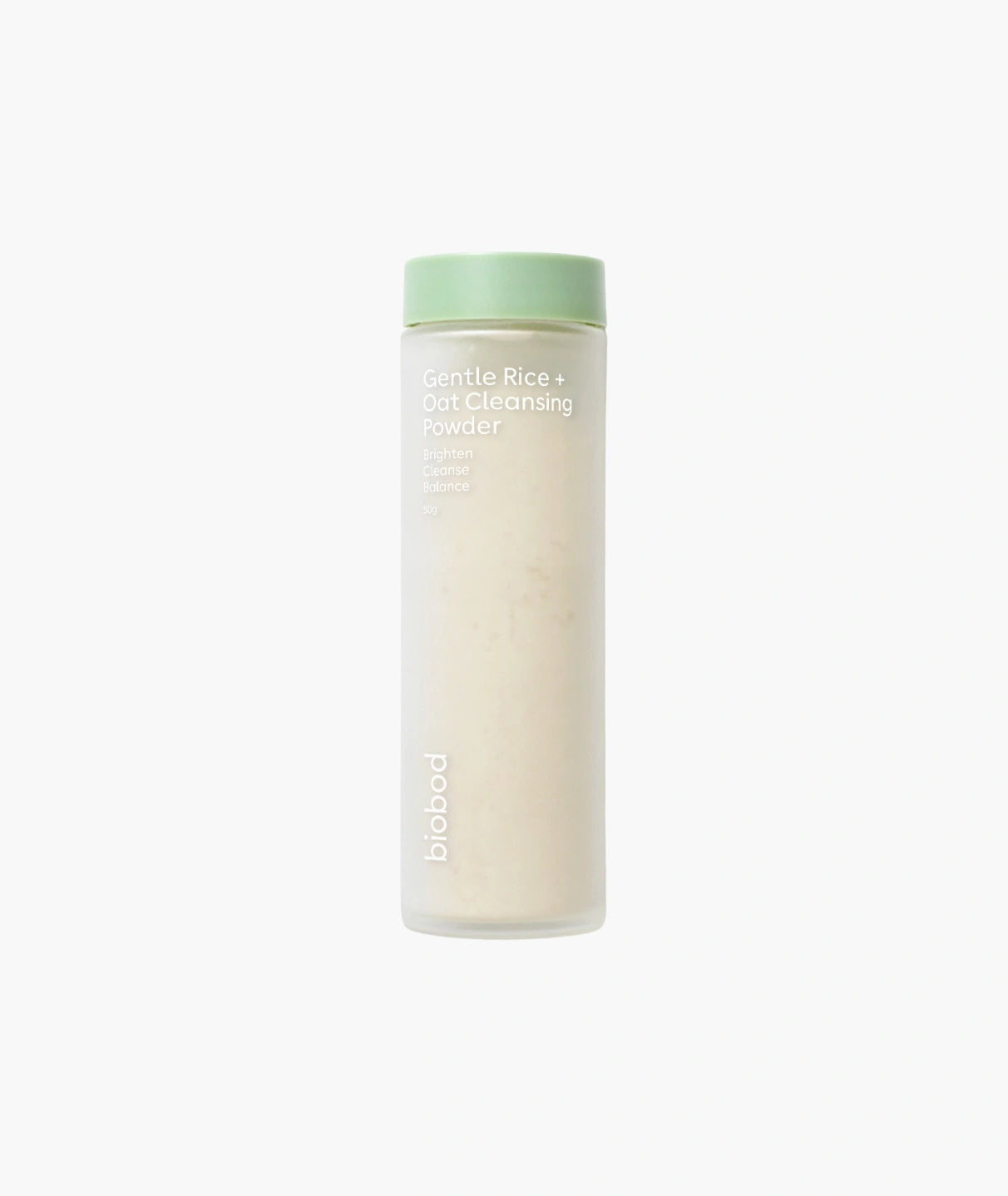

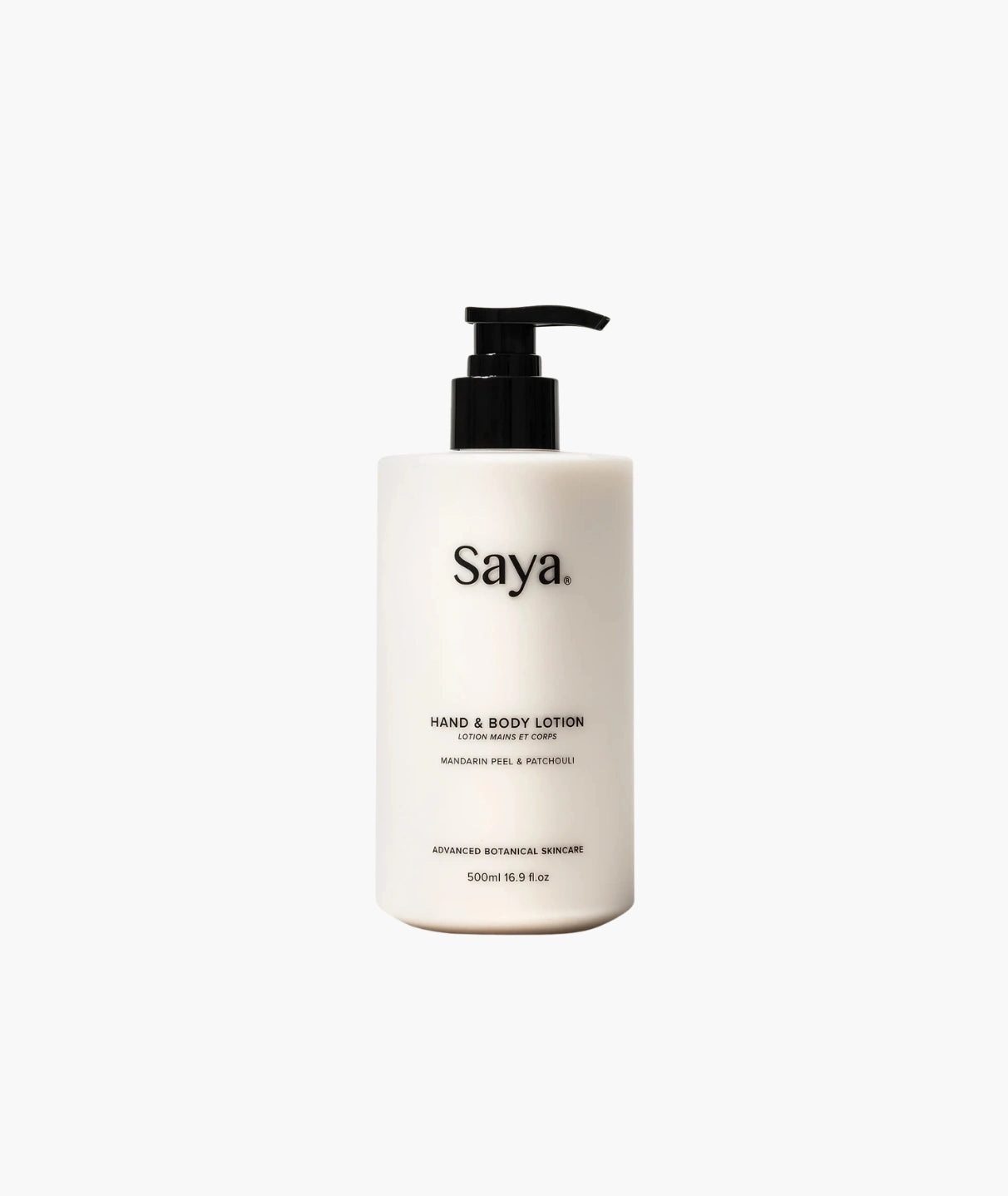

Browse the full clean beauty collection and choose what genuinely suits you — no more, no less.
Myth vs Fact
Myth: Clean beauty is always better for your skin.
Fact: Quality depends on the individual formula and how it suits you. Clean is a way of choosing, not a guarantee of performance.
Myth: Clean means chemical-free and therefore safer.
Fact: Everything is made of chemicals, including water and plant extracts. Safety depends on the specific ingredient and how it is used, not on the word clean.
Myth: Natural ingredients are gentler than synthetic ones.
Fact: Some natural ingredients are common irritants, and some synthetics are exceptionally gentle. The source does not determine the kindness.
Myth: More clean products means better skin.
Fact: A small routine that suits you beats a large one that does not. Most people need fewer products than they own.
Frequently Asked Questions
Is clean beauty actually better than regular beauty?
Not automatically. Clean beauty is not a regulated category, so quality depends on the individual product rather than the label. A well-formulated clean product can be excellent, and a poorly formulated one is still poorly formulated. Judge the formula and whether it suits your skin.
Is clean beauty better for your skin?
It can be, particularly when it helps you find gentle or fragrance-free formulas that suit you. But clean, natural and organic products can still irritate, so suitability comes down to the specific product and your own skin rather than the clean label.
Does clean beauty actually work?
A well-formulated clean product works just as well as any other well-formulated product. Results come from choosing the right product for your skin and using it consistently, not from the word clean itself.
Is clean beauty just marketing?
Sometimes, and sometimes not. Where clean beauty is backed by genuine transparency, cruelty-free practices and sustainability, it is meaningful. Where it relies on making you fearful of ordinary ingredients, it is closer to marketing. Learning to tell the difference is the useful skill.
Is natural skincare better than synthetic?
Not inherently. Natural ingredients can be wonderful and can also irritate, while carefully chosen synthetic ingredients can make a formula more stable, gentle and effective. Neither origin is automatically superior.
Do I need to switch all my products to clean beauty?
No. You can keep products that work well for you and transition gradually as things run out. A clean label is not a reason to replace something that already suits your skin.
Is clean beauty worth the money?
It is worth it when you are paying for genuine quality, transparency or ethics that matter to you. It is not worth it when you are paying a premium purely for the word clean. Judge the product, not the label.
How do I know if a clean beauty brand is genuine?
Look for a full published ingredient list, fair appearance-and-feel claims rather than dramatic promises, verifiable cruelty-free certification, and honest information about sourcing and packaging. Transparency is the strongest signal of a genuine brand.
Related Reading
- What Is Clean Beauty? The Complete Australian Guide — the full definition and how the term is regulated.
- What Is Clean Beauty Skincare? How to Build a Clean Routine — putting it into practice, step by step.
- What Is Clean Beauty Makeup? — the same honesty, applied to your makeup bag.
- Organic Skincare Ingredients: What They Are and What They Do — a plain-English ingredient glossary.
Or shop the clean beauty collection and build a routine that is genuinely yours.
Research and References
- ACCC: Advertising and selling guide
- AICIS: Cosmetics and soap
- Product Safety Australia: Cosmetic ingredients labelling guide
This article shares the founder’s perspective alongside general consumer information, and does not replace medical advice. If you have a specific skin concern or a persistent reaction, please seek advice from a doctor or dermatologist.
WANT $100 WORTH OF AUSTRALIAN SKINCARE AND BEAUTY PRODUCTS?
Subscribe anywhere on the website for your chance to win.
ABOUT THE AUTHOR
Written by Ellie Bunic, Founder of VAMS Beauty. She loves to yap about beauty, wellness and emerging Australian beauty brands. Every article in The VAMS Edit is created to help readers make more informed, confident beauty decisions through trusted research, practical advice and thoughtfully curated product recommendations.


